
Uganda Safari Weather Extremes: Preparing for the Unexpected
Ask any operator who has run safaris in Uganda for more than a few years, and they’ll tell you the same thing: the weather here doesn’t always follow the calendar the way the brochures suggest it should. Dry season game drives sometimes get interrupted by an unseasonal downpour. Rainy season treks occasionally deliver weeks of clear skies. Uganda safari weather extremes, from sudden flash flooding to stretches of unusually intense heat, have become a more frequent part of travel planning conversations here, echoing a pattern climate scientists are documenting across East Africa more broadly. None of this means Uganda has become an unpredictable or risky place to visit, the country remains one of the more reliable and rewarding safari destinations on the continent, but it does mean that building genuine weather resilience into your planning, rather than assuming the season you booked will behave exactly as expected, makes for a smoother and more comfortable trip.
Why Uganda’s Weather Has Grown Less Predictable
Uganda’s traditional seasonal pattern splits the year into two dry stretches, December through February and June through September, and two wetter periods, March through May and September through November, though the exact timing and intensity shifts somewhat between the northern and southern halves of the country. That framework still holds broadly true and remains the right foundation for planning a trip, but climate researchers tracking rainfall patterns across East Africa have documented a real trend toward more intense, less evenly distributed rainfall events over the past two decades, with heavier downpours arriving in shorter windows rather than the steadier, more predictable rain of previous generations. Uganda experiences an average of around two hundred thousand people affected by weather-related disasters each year, with flooding representing the single largest risk, particularly in low-lying areas and mountainous districts where heavy rain triggers landslides on steep terrain.
This matters for travelers less because it changes where or when you should visit Uganda, and more because it means treating any single season as perfectly predictable is no longer the safest assumption. A dry-season trip can still encounter a genuinely heavy, disruptive storm. A green-season trip can deliver long stretches of pleasant, dry weather. Building flexibility into your itinerary and packing for a wider range of conditions than the seasonal average suggests has become sensible practice rather than overcaution.
Flash Flooding and Landslide Risk in Specific Regions
Certain parts of Uganda carry meaningfully higher weather-related risk than others, and it’s worth understanding this geography before finalizing a route. The mountainous districts around Mount Elgon in eastern Uganda, and the Kisoro area near Mgahinga Gorilla National Park in the far southwest, are both known for landslide and flash flood risk during periods of intense rainfall, given their steep terrain and history of heavy rain events triggering road washouts and, in more serious cases, displacement of local communities. Travelers with itineraries touching either of these regions during the wetter months should build extra flexibility into their schedule, since a washed-out road can add hours to a transfer that would otherwise be straightforward, and should work with an operator who monitors regional conditions actively rather than relying solely on the general seasonal calendar.
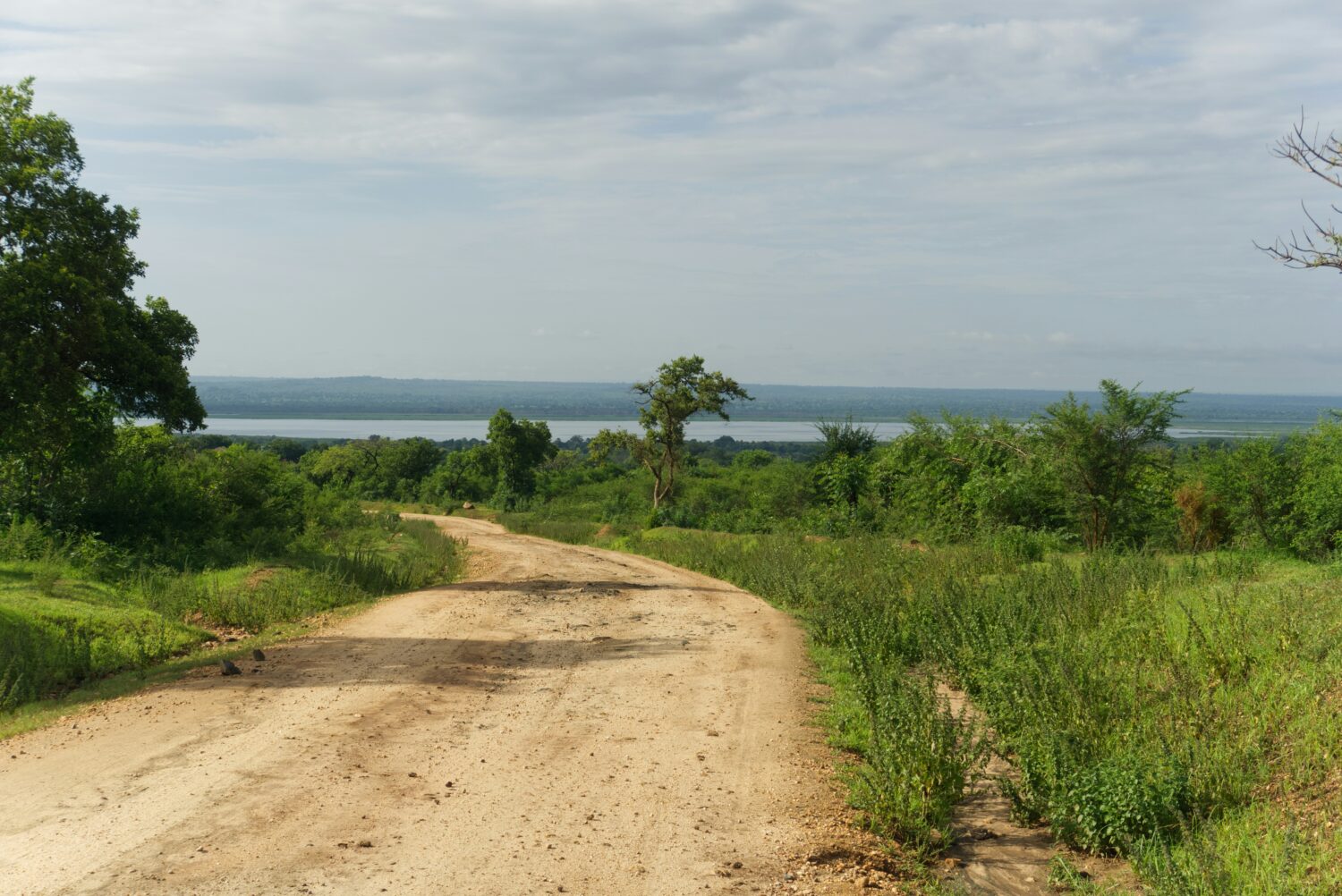
Northern Uganda, including the area around Murchison Falls National Park, faces a different kind of weather variability, with occasional intense, short-duration storms that can temporarily affect road conditions on the park’s murram tracks without posing the same landslide risk as the mountainous south. These storms tend to pass relatively quickly and rarely disrupt a well-planned itinerary for more than a few hours, but they’re worth knowing about if you’re self-driving rather than traveling with an experienced local driver-guide who knows which routes hold up best in wet conditions. Our detailed guide to Murchison Falls activities and what to expect on a visit covers the park’s terrain and seasonal driving conditions in more depth.
Unseasonal Heat and How to Prepare for It
Rain isn’t the only extreme worth planning around. Uganda’s equatorial position means temperatures stay relatively consistent year-round, generally ranging from the low 60s Fahrenheit overnight to the mid-80s during the day depending on altitude, but travelers to the northern parks, particularly Murchison Falls and Kidepo Valley National Park, can encounter daytime temperatures pushing well above 90 degrees Fahrenheit during particularly intense dry-season stretches, especially toward the tail end of the dry period when the land has had months to bake without significant rain. This kind of heat is more physically demanding than most travelers expect from a country sitting directly on the equator, particularly during multi-hour game drives in an open-sided vehicle with limited shade.
Preparing for this side of Uganda’s weather extremes is more straightforward than preparing for flooding, but it’s easy to underestimate. Bringing more water than feels necessary, wearing genuinely breathable, light-colored clothing rather than heavier safari-style fabrics, and scheduling the most physically demanding activities, gorilla trekking especially, for the cooler early morning hours rather than midday, all meaningfully reduce the risk of heat exhaustion during an intense dry-season stretch. Travelers with any heat sensitivity should also factor this into their choice of season, since the driest, hottest weeks of the dry season, typically August and February, tend to produce the most intense daytime heat even as they offer the best wildlife visibility.
Packing for a Genuinely Wider Range of Conditions
The most practical response to Uganda’s growing weather variability isn’t trying to predict exactly what will happen on a given day, it’s packing in a way that handles a broader range of possibilities than a standard seasonal list assumes. Layering is the foundation of this approach: a lightweight, breathable base layer for the heat, a packable rain shell for sudden downpours regardless of season, and a light fleece or jacket for cooler mornings and evenings, particularly at higher-altitude parks like Bwindi where temperatures drop more sharply after dark than travelers expect. Quick-dry fabrics outperform cotton across every scenario this kind of unpredictable weather throws at you, drying faster after an unexpected soaking and staying more comfortable through sudden heat as well.
Footwear deserves the same flexible thinking. Waterproof, ankle-supporting boots with real tread handle both muddy conditions during unexpected rain and the uneven, sometimes rocky terrain of a dry-season trek, making them a safer default choice than lighter hiking shoes even if you’re traveling during what’s technically the dry season. Travelers planning any water-based activities alongside their park visits, including the Nile launch cruise at Murchison Falls, should also read our guide to protecting cameras and phones during boat safaris, since sudden weather shifts on open water present their own specific packing considerations beyond general trip preparation.
Building Flexibility Into Your Itinerary Itself
Beyond packing, the single most effective way to handle weather extremes on a Uganda safari is building genuine flexibility into the itinerary structure rather than scheduling every day and every transfer with no margin for disruption. This means avoiding unnecessarily tight connections between park segments, particularly during the wetter months when road conditions can shift quickly, and choosing operators who build in realistic buffer time rather than the absolute minimum drive time between destinations. It also means understanding, before you travel, what your operator’s contingency plan actually looks like if a road becomes temporarily impassable or a scheduled activity needs to shift by a few hours, since a well-prepared operator will have alternate routes and rescheduling options ready rather than treating a weather disruption as an unmanageable crisis.
Travelers with tightly fixed international flight connections should build in at least one buffer day before any long-distance domestic transfer or flight back to Entebbe, particularly if your itinerary includes remote parks like Kidepo Valley, where weather-related delays to a single small domestic flight can have knock-on effects for the rest of a tightly scheduled trip. This kind of buffer costs little in overall trip length but meaningfully reduces the stress of an unexpected weather event derailing carefully planned onward travel. If you’re still finalizing the shape of your route, our guide to planning a multi-park Uganda itinerary walks through realistic timing and buffer considerations between Uganda’s major parks.
Travel Insurance and Real-Time Information
Comprehensive travel insurance that specifically covers weather-related trip disruption, rather than only medical emergencies, is worth prioritizing for any Uganda safari, but it becomes particularly important given the country’s documented trend toward more intense, less predictable rainfall events. Policies that cover delayed or canceled activities, rebooked flights, and unexpected accommodation extensions due to weather give genuine peace of mind rather than leaving you to absorb unexpected costs if a storm disrupts part of your schedule. It’s worth reading the specific weather-related clauses in any policy carefully before purchase, since coverage varies considerably between providers on exactly what counts as a covered disruption.
Staying informed during the trip itself matters too. A good local operator monitors regional weather and road conditions continuously and will proactively adjust your itinerary if genuine risk emerges, but it’s still worth asking, before you travel, how your specific operator handles this kind of monitoring and communication, particularly if your itinerary touches higher-risk areas like Kisoro or the Mount Elgon region during the wetter months. Travelers booking independently rather than through a full-service operator should pay closer attention to local news and district-level weather advisories in the days leading up to and during their trip, since Uganda’s meteorological authority does issue advance warnings ahead of significant weather events.
Keeping Perspective on What This Actually Means for Your Trip
None of this is meant to suggest that Uganda has become an unreliable or risky safari destination, and it’s worth being clear about that. The overwhelming majority of Uganda safaris, across every season, proceed exactly as planned, with weather playing a supporting role in the atmosphere and drama of the trip rather than a disruptive one. What has changed is that treating any single season as perfectly predictable is no longer the smartest planning assumption, and travelers who pack for a slightly wider range of conditions, build reasonable flexibility into their itinerary, and travel with an operator who takes regional weather monitoring seriously tend to experience Uganda’s occasional weather extremes as a minor inconvenience rather than a trip-altering event.
If you’d like help building an itinerary with the right seasonal timing and built-in flexibility for your specific travel dates, our team plans routes with exactly this kind of resilience in mind, whether that means adjusting buffer days around a remote park like Kidepo or choosing accommodation and transfer routes that hold up well regardless of what the weather does that particular week. Get in touch through Murchison falls park safari to start planning a well-prepared Uganda safari, or browse our existing Uganda safari packages to see how a thoughtfully paced itinerary comes together from start to finish.