
Best Waterproof Cameras and Phone Cases for Uganda Boat Safaris
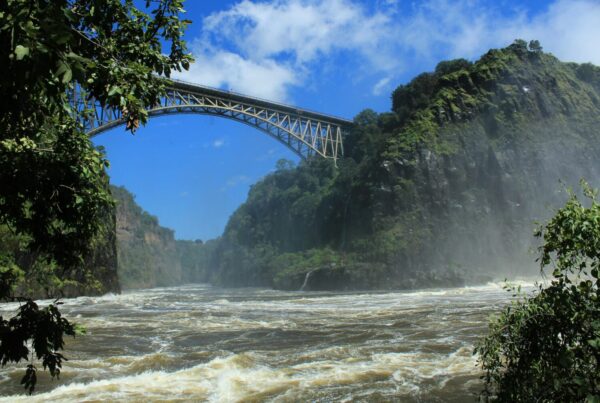
Anyone who has stood at the rail of a launch cruising toward the base of Murchison Falls, watching the Nile narrow into that thunderous gorge known as the Devil’s Corridor, knows the moment sneaks up on you. One second you’re calmly framing a shot of a basking crocodile, the next the boat clips a wave, spray comes over the bow, and your phone or camera is suddenly in the direct line of fire. Finding the best waterproof cameras and phone cases for boat safaris in Uganda isn’t a niche concern reserved for serious photographers, it’s practical planning for anyone joining one of the country’s signature water-based activities, whether that’s the Nile cruise at Murchison Falls, the Kazinga Channel boat trip in Queen Elizabeth National Park, or a quieter canoe excursion around Lake Mburo. This guide breaks down exactly what protects your gear on the water, what’s worth buying before you travel, and how to think about the trade-off between full submersion protection and everyday usability for the rest of your trip.
Why Boat Safaris Demand Different Protection Than Game Drives
Standard safari photography gear, built around dust and jostling rather than direct water exposure, isn’t automatically suited to Uganda’s boat-based activities. A rain cover that does a fine job protecting a camera during a passing shower on a game drive often isn’t built to handle the kind of sustained spray that comes off the bow of a launch moving upriver against current, especially as you approach the base of the falls where the spray genuinely intensifies the closer you get. Splashes on a boat also tend to be sudden and unpredictable rather than the steady, visible buildup of rain, which means gear needs to be protected proactively before you board rather than reactively once you notice water on the lens.
The Kazinga Channel cruise in Queen Elizabeth National Park presents a gentler version of the same challenge, since the water here is calmer than the churn near Murchison’s falls, but the channel’s resident hippo pods occasionally surface and submerge close enough to send water toward a low-sitting boat, and sudden weather changes are common enough on open water that packing for splash protection is worth doing regardless of which specific cruise you’re on. If you haven’t yet finalized which of Uganda’s boat activities fit into your itinerary, our guide to Murchison Falls activities and costs breaks down the launch cruise alongside the park’s other signature experiences.
Dedicated Waterproof Compact Cameras Worth Considering
For travelers willing to bring a separate device specifically for water-exposed activities, rugged waterproof compact cameras remain the most dependable option, since they’re engineered from the ground up to handle submersion rather than relying on an add-on case. The OM System Tough TG-7 currently sits near the top of most independent review roundups for this category, and it’s a genuinely strong fit for Uganda’s boat safaris specifically. It’s rated for direct submersion without a housing, built to survive drops onto a boat deck or the floor of a vehicle, and its zoom lens gives enough reach to photograph crocodiles and hippos from a safe, respectful distance rather than forcing you to shoot everything at wide angle. Because it’s a fixed, sealed unit rather than a case wrapped around another device, there’s no seal to check or air pocket to worry about trapping condensation, which matters in Uganda’s humid climate.
Action cameras, most notably the GoPro Hero line and DJI’s Osmo Action series, offer a different but equally useful approach, particularly for travelers who want video alongside stills. Both are natively waterproof to a meaningful depth without an external housing, extremely compact, and mountable directly to a boat rail or a chest harness, which frees up your hands for binoculars or simply holding on as the launch moves through choppier water near the falls. The trade-off is image quality and zoom range: action cameras excel at wide, immersive footage of the boat trip itself and close-range subjects, but they’re a poor substitute for a proper zoom lens when you’re trying to isolate a distant fish eagle or a crocodile sunning itself on a sandbank fifty meters away. Many photographers on a Murchison Falls itinerary end up bringing both an action camera for the water-heavy cruise portion and a longer lens setup, protected separately, for the game drive and forest components of the same trip.
Protecting a Primary Camera Without Buying a Dedicated Waterproof Body
Not every traveler wants to purchase a separate rugged camera solely for one or two boat activities on an otherwise dry-land safari, and that’s a completely reasonable position. For a primary mirrorless or DSLR setup, a dedicated rain cover sized to fit over your body and lens combination is the most practical middle ground, and it’s worth bringing one specifically rated for sustained spray exposure rather than a lightweight version designed only for occasional drizzle. Look for a cover with a clear panel over the viewfinder or LCD screen so you can keep composing shots without removing the protection entirely mid-cruise, since that moment of exposure is often exactly when an unexpected splash catches you off guard.
A simple but effective supplement is a dry bag large enough to hold your camera body between shots. Rather than keeping the camera slung around your neck for the entire cruise, stowing it in a sealed dry bag whenever you’re not actively shooting, and only bringing it out for a specific sighting, dramatically reduces cumulative water exposure over the length of the trip. This habit matters more than most travelers expect, since it’s rarely a single dramatic wave that damages a camera on a boat safari, it’s the steady accumulation of fine mist settling on an exposed lens and body over the better part of an hour on the water. Our broader packing guide for rainy season safari photography covers dry bag strategy and humidity management in more depth, and much of that advice applies directly to boat-based shooting even outside the wetter months.
Waterproof Phone Cases: What Actually Works
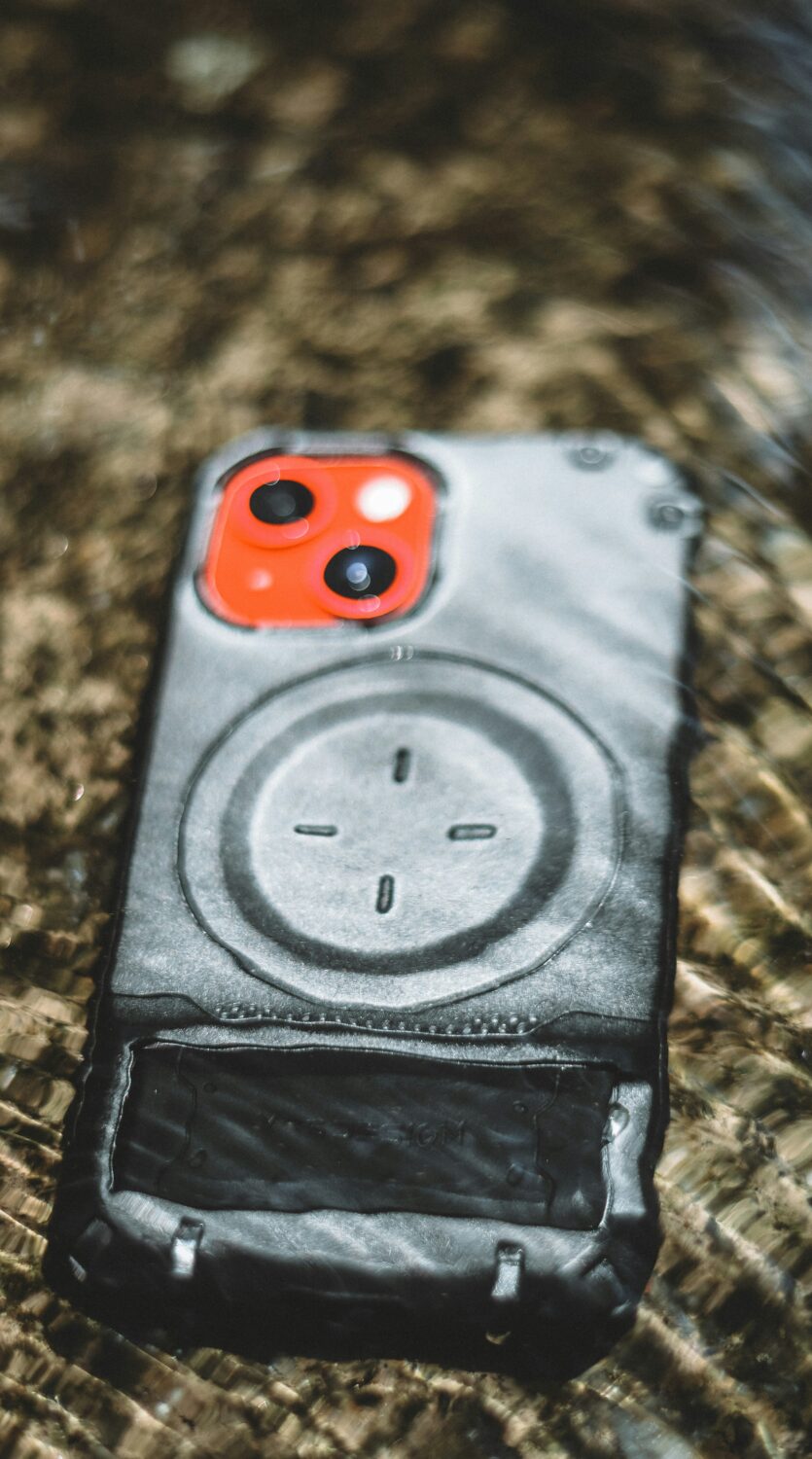
Smartphones present a slightly different challenge, since most travelers aren’t willing to leave their phone behind entirely but also don’t want to invest in a dedicated rugged phone as a one-trip purchase. A properly rated waterproof phone case, rather than a basic splash-resistant sleeve, is worth the investment here. Established options like LifeProof’s FRE series and Catalyst’s waterproof cases are built around a genuine submersion rating rather than mere water resistance, and both maintain full touchscreen functionality and camera access through the case, which matters enormously on a boat cruise where you want to react quickly to a sighting rather than fumbling to remove protective gear first.
For travelers who’d rather not commit to a permanent case that stays on the phone for the rest of the trip, a simple clear waterproof pouch, the kind sold for beach and pool use, is a lightweight, inexpensive alternative that still allows touchscreen use through the plastic. These pouches won’t survive a genuine drop into the Nile, but they handle spray and light splashing perfectly well for the duration of a single boat activity, and they pack down small enough to carry as a backup even if your primary protection is a hardier case. Whichever option you choose, it’s worth testing the seal and touchscreen responsiveness before you leave home rather than discovering a faulty case for the first time mid-cruise, since a compromised seal defeats the entire purpose of bringing one.
Memory Cards, Batteries, and the Details Easy to Overlook
Camera and phone bodies get most of the attention in gear discussions, but memory cards and batteries deserve equal caution on a boat safari, since both are compact enough to be genuinely lost or damaged by a splash that a larger camera body might otherwise shrug off. A small waterproof hard case for spare batteries and memory cards, kept in a jacket pocket or a sealed section of your bag rather than loose in a camera bag pocket, is a minor addition that prevents a genuinely frustrating loss. It’s also worth formatting and testing memory cards before departure and carrying more spares than you think you’ll need, since the launch cruise and similar boat activities tend to be exactly the moments travelers shoot the most images in the shortest window of time, given the concentration of wildlife along Uganda’s waterways.
Balancing Gear Choices Against the Rest of Your Itinerary
The right combination of waterproof gear for a Uganda trip ultimately depends on how much of your itinerary actually involves water exposure versus standard dry-land game drives and forest walks. A traveler whose plans center heavily on Murchison Falls, with its Nile cruise as a signature activity, benefits more from investing in a dedicated rugged compact or action camera than someone whose Uganda itinerary is mostly built around Bwindi gorilla trekking with only a brief boat activity tacked on. If your route includes multiple water-based activities, the Kazinga Channel cruise alongside the Murchison Falls launch, for instance, the investment in proper waterproof gear pays for itself across the trip rather than being used just once. Our guide to planning a multi-park Uganda itinerary is a useful reference for mapping out exactly how many water-based activities your specific route will actually include, which makes it easier to judge how much to spend on dedicated protection before you travel.
Getting camera and phone protection right for Uganda’s boat safaris isn’t complicated, but it does reward a bit of planning before departure rather than scrambling for a solution at the lodge gift shop the morning of your cruise. Whether you land on a dedicated rugged compact, an action camera, a solid rain cover and dry bag combination for your existing setup, or simply a well-rated waterproof phone case, the goal is the same: staying present for the moment the falls come into view or a pod of hippos surfaces beside the boat, rather than worrying about what the spray is doing to your gear. If you’d like help building an itinerary that makes the most of Uganda’s boat-based wildlife activities, our team can walk you through exactly which cruises and water excursions fit your route and travel dates. Get in touch through Murchison falls park safari to start planning, or explore our existing Uganda safari packages to see how the Murchison Falls launch cruise and other water-based activities fit into a complete itinerary.