

Uganda Safari in the Rain vs Dry Season: Which Should You Book
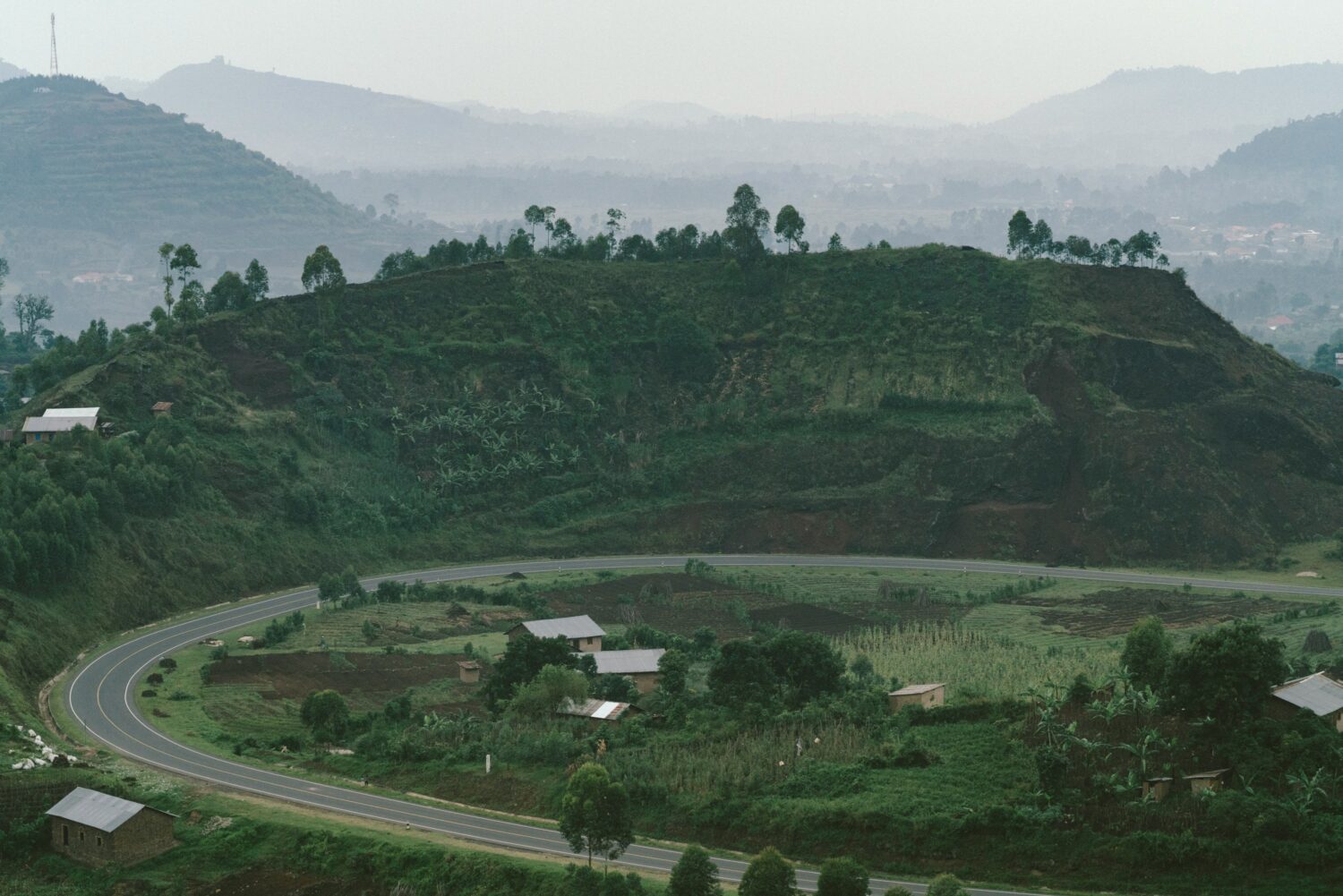
It’s one of the most common questions we hear from travelers narrowing down their Uganda dates, and it doesn’t have a single right answer, because the honest response depends entirely on what you’re prioritizing. Deciding between a Uganda safari in the rain vs dry season isn’t really a question of which season is objectively better, since both deliver genuinely rewarding trips for the right kind of traveler. It’s a question of which trade-offs matter more to you: guaranteed easy trekking conditions versus dramatically lower costs, denser crowds at the best sightings versus near-empty parks, or the crisp visibility of dry-season savannah versus the lush, cinematic green of a forest in full bloom. This guide walks through exactly how the two seasons compare across the factors that actually shape a Uganda trip, so you can make the call based on what you personally value rather than a generic “dry season is always best” assumption that doesn’t account for your specific priorities.
Understanding Uganda’s Two Seasonal Patterns
Uganda doesn’t follow a single, simple wet-dry calendar the way some safari destinations do, and that nuance matters when comparing the seasons directly. The country’s south and central regions, including the areas around Bwindi, Kibale, and Queen Elizabeth National Park, experience two distinct rainy periods, roughly March through May and September through November, bookended by two drier stretches, June through September and December through February. Northern Uganda, home to Murchison Falls National Park and Kidepo Valley National Park, follows a somewhat different rhythm, with a longer, more continuous wet season stretching from March through November and a more clearly defined dry season from December through February. This regional variation is worth understanding before assuming a single “rainy season” or “dry season” label applies uniformly across an entire multi-park itinerary, since a trip combining Murchison Falls with Bwindi, for instance, might encounter meaningfully different conditions at each stop depending on exactly when you travel.
Temperatures stay relatively consistent across both seasons given Uganda’s equatorial position, with the real day-to-day difference coming down to rainfall, humidity, and the resulting effect on trails, roads, and wildlife visibility rather than dramatic swings in heat or cold. That’s an important distinction for travelers who assume “rainy season” means uncomfortably cold or “dry season” means unbearably hot; neither is really the deciding factor here.
Wildlife Viewing: Where Dry Season Genuinely Pulls Ahead
 If wildlife visibility in the savannah parks is your top priority, dry season holds a real, measurable advantage that’s worth taking seriously. During the drier months, vegetation thins out considerably across Murchison Falls, Queen Elizabeth, and Kidepo Valley, which makes animals easier to spot from a distance rather than obscured by tall grass and dense foliage. Water sources also become scarcer during the dry months, which concentrates wildlife around the remaining rivers, waterholes, and channels, making for more predictable, higher-density sightings during game drives. The Kazinga Channel boat cruise in Queen Elizabeth and the Nile-side game drives in Murchison Falls both tend to deliver more concentrated wildlife encounters during the dry season for exactly this reason, since animals cluster tightly around permanent water sources when alternatives dry up elsewhere in the park.
Rainy season game viewing isn’t poor by any means, but it does require more patience and a bit more luck, since animals spread out across a wider territory when water and grazing are abundant everywhere rather than concentrated in a few reliable spots. Birdlife, interestingly, runs in the opposite direction: Uganda’s wetter months bring migratory species and breeding plumage that make this genuinely the better season for serious birders, even as general game viewing becomes somewhat less predictable. If wildlife density is your primary concern, our detailed guide to Murchison Falls activities and what to expect from game drives breaks down how seasonal timing affects the park’s specific wildlife circuits.
Gorilla and Chimp Trekking: A More Balanced Trade-Off
For travelers whose Uganda itinerary centers on gorilla trekking in Bwindi Impenetrable Forest or chimpanzee tracking in Kibale, the seasonal calculation looks considerably different than it does for savannah game drives. Trekking conditions are genuinely easier during the dry months, with firmer, less slippery trails that make the physical climb through Bwindi’s steep terrain more manageable, particularly for less experienced hikers. That said, “dry” in a rainforest environment is always a relative term, and even peak dry-season trekking in Bwindi typically involves some mud, mist, and unpredictable drizzle given the forest’s naturally humid microclimate.
The rainy season trade-off here is more favorable than most travelers assume. Gorillas often move to lower, more accessible altitudes during wetter months to feed on fresh bamboo shoots, which can actually shorten the trekking time required to reach a habituated family, occasionally offsetting the muddier trail conditions. Trekking permits are also considerably easier to secure during the rainy season, without the intense competition that defines peak dry-season booking windows, and UWA has introduced meaningful discounted low-season permit pricing that makes rainy season gorilla trekking notably more affordable than the standard peak-season rate. For the full breakdown of current permit costs across both seasons, our guide to gorilla trekking permit pricing and booking timelines lays out exactly what you’d pay and how far ahead you’d need to book for each season.
Crowds and the Overall Feel of a Trip
This is where rainy season travel genuinely shines for a specific kind of traveler. Uganda’s peak dry-season months, June through September and December through February, coincide with the highest volume of international visitors, which translates into busier lodges, more vehicles at popular sightings, and considerably tighter competition for gorilla trekking permits in the most sought-after sectors like Buhoma and Rushaga. Travelers who value solitude, unhurried pacing, and a lower-key atmosphere over guaranteed peak wildlife density often find the rainy season delivers a meaningfully better overall experience, even accounting for the less predictable weather.
Lodges across nearly every park run noticeably quieter during the wetter months, and it’s not unusual to have an entire vehicle to yourself at a sighting that would draw several other groups during peak season. If a quieter, less crowded style of travel appeals to you regardless of season, our guide to building a low-stimulation Uganda itinerary covers this preference in more depth and pairs naturally with a rainy-season booking strategy.
Cost Differences Between the Two Seasons
Budget is often the deciding factor for travelers genuinely torn between the two seasons, and the gap between them is significant enough to matter for most trip budgets. Lodge rates across nearly every category, from budget camps to luxury properties, drop meaningfully during the rainy season, sometimes by thirty percent or more compared to peak dry-season pricing, as properties compete for the thinner pool of visitors traveling during these months. Gorilla trekking permits carry their own discounted low-season pricing structure as well, which compounds with lower accommodation costs to make a rainy-season Uganda trip considerably more affordable overall than the same itinerary booked during peak months.
Flights into Entebbe follow a similar pattern, with fares typically softer during the shoulder and rainy months compared to the high-demand pricing that peak dry-season travel commands, particularly around the December holiday period. For budget-conscious travelers, or those simply looking to stretch a fixed budget further, especially on longer or multi-park itineraries, the cumulative savings from a well-timed rainy season trip can be substantial. Our guide to Uganda National Parks entry fees and permit pricing is worth reviewing alongside seasonal accommodation research, since combining discounted permits with lower lodge rates gives the clearest full picture of how much a rainy season itinerary might actually save.
Photography Considerations for Each Season
Photographers weighing this decision face a genuinely close call rather than an obvious winner. Dry season delivers the classic golden-hour safari light many photographers picture when they imagine an African trip, along with clearer skies and easier visibility for capturing distant wildlife across open savannah terrain. Rainy season, by contrast, offers dramatic storm light, richly saturated greens, and the kind of moody, atmospheric conditions that produce genuinely distinctive images rather than the more conventional dry-season shot. It does demand more preparation, since humidity and sudden downpours require proper camera protection and a packing strategy built specifically around wet conditions. Photographers leaning toward a rainy season trip should read our complete rainy season safari photography packing list before finalizing gear, since the right preparation turns the season’s unpredictability into a creative advantage rather than an obstacle.
Road Conditions and Practical Logistics
It’s worth being realistic about the practical downsides of rainy season travel too, since a balanced comparison means acknowledging where dry season has a genuine edge. Uganda’s park roads, many of them unpaved murram tracks, deteriorate noticeably during heavy rain, and self-drive travelers in particular should think carefully about whether they’re comfortable navigating muddy, occasionally slippery routes without a professional driver-guide’s local knowledge. Mountainous regions, including the areas around Bwindi, Mgahinga, and Mount Elgon, carry a higher risk of landslides and road washouts during the most intense rainfall periods, and itineraries touching these areas during peak wet months benefit from extra buffer time built into transfers. For a fuller picture of how Uganda’s weather patterns can affect trip logistics regardless of season, our guide to preparing for Uganda’s weather extremes covers this practical side of seasonal planning in detail.
None of this makes rainy season travel impractical, the vast majority of rainy season trips proceed smoothly with a well-prepared operator, but it does mean building slightly more flexibility into a wet-season itinerary than a dry-season one, particularly around driving days between parks.
Matching the Season to Your Specific Priorities
Bringing all of this together, the right season really does come down to matching Uganda’s seasonal trade-offs against what matters most for your particular trip. Travelers prioritizing maximum wildlife density in the savannah parks, easier trekking conditions, and a more classically “safari” photographic aesthetic should lean toward the dry season, and should book well in advance given the higher demand these months attract. Travelers prioritizing budget, solitude, easier permit availability, and a genuinely distinctive, less crowded version of Uganda should give the rainy season serious consideration rather than defaulting to the conventional wisdom that dry season is automatically the better choice.
It’s also worth remembering that these seasons aren’t as binary as they sound, and the shoulder periods right at the edges of each season, early June or late February for dry-season conditions without quite the same crowd levels, or late November just as the short rains ease, often deliver a genuinely strong middle ground between the two extremes. A knowledgeable operator can help identify these transitional windows more precisely than a general seasonal calendar can, since exact timing shifts slightly from year to year.
Ultimately, there’s no universally correct answer to whether you should book a Uganda safari in the rain or the dry season, only the answer that fits your specific priorities, budget, and tolerance for a bit of unpredictability in exchange for lower costs and quieter parks. If you’d like help weighing these trade-offs against your own travel dates, budget, and must-see activities, our team can talk through exactly how each season would shape your specific itinerary before you commit to dates. Get in touch to start planning the right season for your Uganda trip, or explore our existing Uganda safari packages to see how both dry and rainy season itineraries come together in practice.