

Fly-In vs Road Safari in Uganda: Cost, Time and Comfort Compared
Anyone planning a trip to Murchison Falls National Park eventually runs into the same fork in the road, quite literally: do you drive up, or do you fly? The choice between a fly-in safari and a road safari in Uganda shapes almost everything else about the trip, from your budget to your itinerary to how tired you feel on your first game drive. Both options get you to the same spectacular destination, home to the thundering Nile waterfall, tree-climbing lions, and some of the best boat cruises in East Africa, but they get you there in very different ways. This guide breaks down the real costs, the actual time you will spend in transit, and the comfort trade-offs of each, so you can decide with your eyes open rather than guessing.
Why This Decision Matters More in Uganda Than Elsewhere
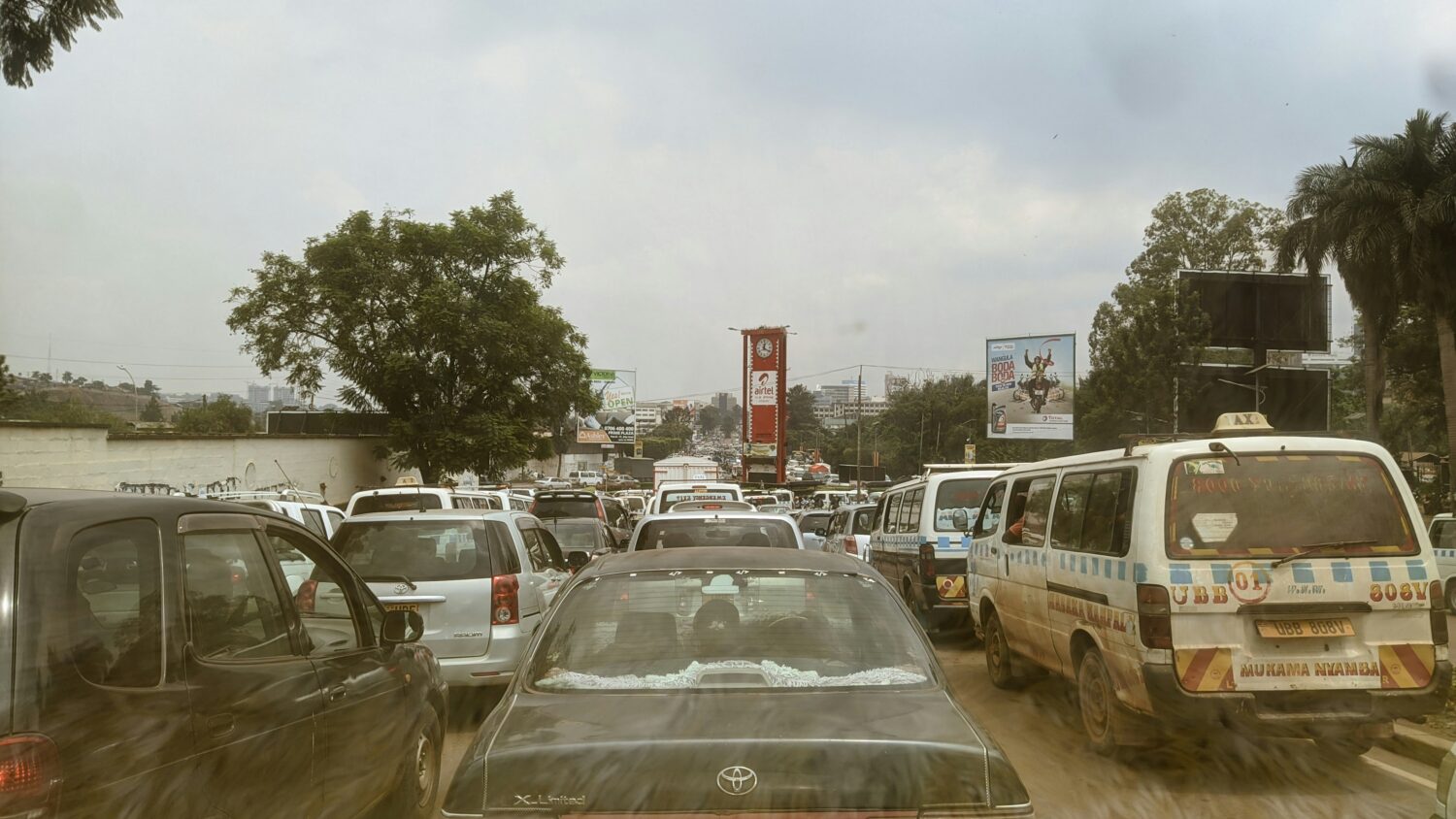
Uganda is not a small country to drive across, and Murchison Falls sits roughly 305 kilometers from Kampala in the northwestern part of the country, inside the Albertine Rift Valley. That distance alone would not be a big deal on a modern highway, but Ugandan roads vary wildly in quality, and the final stretch into the park involves murram tracks that can turn slow and dusty in the dry season or slippery in the rains. This is the backdrop against which the road safari vs fly-in safari debate plays out, and it is worth understanding before you commit either your money or your itinerary to one option.
For travelers combining Murchison Falls with gorilla trekking, a road trip covering both destinations demands serious planning around distances and driving hours; our guide on gorilla safari add-ons to a Murchison Falls itinerary walks through how those legs typically fit together.
The Real Cost of Driving to Murchison Falls
A road safari to Murchison Falls typically means hiring a four-wheel-drive vehicle, usually a Land Cruiser or a safari van, complete with a professional driver-guide who doubles as your local expert once you are inside the park. Vehicle hire generally runs between roughly two hundred fifty and three hundred US dollars per day, and that figure usually covers the driver’s fee but not fuel, which you will pay separately depending on the distance covered. For a standard three or four day Murchison Falls road trip, total transport costs including fuel commonly land somewhere in the six hundred to one thousand dollar range for the vehicle and driver, a cost that gets significantly more manageable when split among a group, since the same vehicle comfortably seats up to six or seven passengers.
This is one of the quiet advantages of the road option: economies of scale. A family of four or a group of friends traveling together can spread the daily vehicle cost across several people, bringing the per-person transport bill down considerably compared to flying, where each seat is priced individually regardless of group size. Solo travelers and couples, by contrast, often find that road transport eats a disproportionate share of their budget unless they join a scheduled group departure, which many Uganda operators run specifically to help independent travelers share costs.
Fuel prices in Uganda fluctuate, and a round trip from Kampala or Entebbe to Murchison Falls and back covers roughly six hundred kilometers once you account for game drives inside the park itself, so budgeting generously for diesel is sensible rather than optional.
The Real Cost of Flying to Murchison Falls
Fly-in safaris operate from Entebbe International Airport or the smaller Kajjansi airfield near Kampala, landing at one of three airstrips serving the park: Pakuba in the north, Bugungu in the south, and Chobe near the eastern lodges. Scheduled flights on operators such as Aerolink typically price a one-way ticket somewhere between two hundred fifty and three hundred dollars per adult, meaning a round trip lands in the neighborhood of four hundred seventy to five hundred dollars per person before taxes, which add a modest amount on top of the base fare.
Charter flights cost considerably more, but they offer flexibility that scheduled flights cannot, including custom departure times and direct routing if you are combining Murchison Falls with another park such as Kidepo Valley or Queen Elizabeth in the same trip. Charter pricing depends on aircraft size and route, so operators generally quote it on request rather than publishing a flat rate.
The maths here matters. For a solo traveler or a couple, flying to Murchison Falls is often comparable to or only modestly more expensive than a private road transfer once fuel and driver costs are factored in, especially if the flight lets you skip a night’s accommodation you would otherwise need en route. For a family or a group of four or more, road transport is almost always the cheaper option in raw dollar terms, since the vehicle cost is fixed regardless of how many people are inside it.
Time: The Biggest Practical Difference
This is where the two options diverge most sharply, and for many travelers, it is the deciding factor. Driving from Kampala or Entebbe to Murchison Falls National Park takes roughly five to six hours under normal conditions, longer if you are traveling in the rainy season or stopping along the way, which many road travelers do anyway to break up the journey at a coffee farm, a viewpoint, or the Ziwa Rhino Sanctuary, one of the few places in Uganda to see southern white rhinos on foot.
A flight covers the same distance in approximately one to one and a half hours. That difference, roughly four to five hours saved each way, translates directly into extra time inside the park itself. On a short three-day trip, that saved time can mean the difference between fitting in both a game drive and a boat cruise to the base of the falls, or having to choose between them because the drive ate half your first day.
This is precisely why fly-in safaris appeal most to travelers with limited vacation time, business travelers extending a Uganda trip by a long weekend, or anyone combining Murchison Falls with a tight multi-park itinerary. If your total trip is five days or fewer, the hours saved by flying can meaningfully expand what you actually get to experience. For a full breakdown of how much time each activity inside the park requires, our Murchison Falls itinerary planning guide is a useful companion to this comparison.
Comfort: What Each Option Actually Feels Like
Road travel to Murchison Falls is not uncomfortable exactly, but it is a genuine journey. The first stretch out of Kampala or Entebbe runs on reasonably good tarmac, passing through small towns, roadside markets, and increasingly rural scenery as you head north. The final approach into the park, particularly the last hour or two, involves murram roads that can be dusty and bumpy, occasionally slow if there has been recent rain. Most travelers find this part of the experience genuinely enjoyable rather than a hardship, since it offers a real look at everyday Ugandan life, something a flight simply skips entirely. That said, five to six hours in a vehicle, even a comfortable four-wheel-drive with air conditioning, is tiring, particularly for young children, older travelers, or anyone prone to motion sickness on unpaved roads.
Flying removes all of that. You board a small aircraft, typically a twelve to eighteen seat Cessna Caravan or similar, and within roughly ninety minutes you are looking down at the Nile winding through the park before touching down on a dirt or murram airstrip. The views alone are worth mentioning, since the aerial approach into Pakuba or Chobe offers a genuinely spectacular first glimpse of the falls and the surrounding savannah that road travelers only get once they are already inside the park. Once you land, a vehicle from your lodge meets you at the airstrip for the short transfer to your accommodation, so you still experience a bit of road time, just a fraction of what road travelers cover.
The trade-off is legroom and luggage. Light aircraft impose strict baggage limits, usually around fifteen kilograms per person in a soft-sided bag, which matters if you are traveling with substantial camera equipment or combining Murchison Falls with other legs of a longer trip. Road travel imposes no such restriction, since your luggage simply rides in the vehicle with you.
Which Travelers Suit Which Option
Neither option is objectively better, and the right choice depends heavily on who is traveling and why. Travelers on a tight schedule, honeymooners wanting a touch of glamour, older visitors who find long drives physically taxing, and anyone combining Murchison Falls with a gorilla trekking leg in Bwindi or a beach extension in Zanzibar tend to lean toward flying, since it protects precious vacation days and adds a memorable experience in its own right. Budget-conscious travelers, families and groups splitting costs, overlanders who enjoy the journey as much as the destination, and anyone wanting to stop at Ziwa Rhino Sanctuary or explore small towns along the way tend to prefer the road.
There is also a hybrid approach worth mentioning, since it is more common than many first-time visitors realize. Travelers sometimes drive one direction and fly the other, covering the outbound leg by road to enjoy the scenery and a rhino tracking stop, then flying back to Entebbe to save time before a connecting international flight. This combination captures much of the best of both options, at a cost that sits between the two extremes. Our team regularly builds these hybrid itineraries for guests who want the full experience without sacrificing a flight connection at the end of their trip, and it is worth asking about when you plan your dates.
Weather and Seasonal Considerations
Both transport options are affected by Uganda’s weather, though in different ways. Road conditions deteriorate noticeably during the two rainy seasons, roughly March to May and October to November, when murram roads can become slick and travel times stretch beyond the usual five to six hours. Flights are less affected by rain itself but do depend on visibility and can occasionally see delays during periods of heavy cloud cover, which is one reason the dry seasons, June through August and December through February, are considered the most reliable months for scheduled flights as well as the most popular months for game viewing generally. If you are traveling during a rainy season, building an extra buffer hour or two into a road itinerary, or confirming your flight’s on-time performance history with your operator, is a sensible precaution either way.
What This Means for Your Budget and Itinerary Planning
Putting the numbers together, a solo traveler or couple on a short trip of three to four days who values time over cost will usually find flying worthwhile, since the price difference per person is often smaller than expected once fuel, driver fees, and an extra night’s accommodation are factored into the road option. A family or group of four or more on a trip of five days or longer will typically save meaningfully by driving, and will gain the added bonus of stops like Ziwa Rhino Sanctuary along the way. Anyone building a longer Uganda circuit, particularly one connecting Murchison Falls with Kidepo Valley, Kibale, or a gorilla trekking destination, should weigh flying more heavily, since the time saved compounds across multiple legs of the trip.
If you are still weighing the numbers for your specific group size and travel dates, our team can put together a side-by-side costed itinerary showing exactly what a road option and a fly-in option would look like for your dates, so you are comparing real quotes rather than general ranges.
Booking Considerations Worth Knowing
Scheduled flights to Murchison Falls generally require a minimum number of passengers to operate on a given route, so it is worth booking early, particularly during the June to August and December to February peak seasons when seats fill up quickly. Road transport is more flexible on timing since a private vehicle departs whenever you are ready, though during peak season, popular lodges along the route and inside the park can book out weeks in advance regardless of how you plan to arrive. Whichever option you choose, confirming your accommodation and transport together, rather than separately, avoids the common mistake of booking a flight into Pakuba only to discover your chosen lodge is a two-hour drive from that particular airstrip rather than the closer Chobe or Bugungu strip.
For travelers extending their trip toward gorilla trekking, it is worth reading how transport choices differ for that leg as well, since flying and driving trade-offs work somewhat differently in the more mountainous terrain around Bwindi.
Making the Final Call
There is no universally correct answer to the fly-in vs road safari question, only the answer that fits your particular trip. If your priority is stretching every dollar and you are traveling with company to split the cost, the road wins clearly, and you gain a genuine slice of Ugandan countryside along the way. If your priority is time, comfort, and a spectacular aerial introduction to the park, and your budget can absorb the premium, flying is very likely worth it, especially on shorter trips where every saved hour becomes another hour spent watching lions instead of watching the road.
Whichever way you lean, the destination at the end is the same remarkable park, with its thundering Nile falls, healthy lion population, and boat cruises that rank among the best wildlife-viewing experiences in Africa. Getting there is simply a question of how you want to spend the journey.
Ready to book your Murchison Falls safari, whether by road, by air, or a mix of both? Contact our team for a tailored quote comparing both options for your exact travel dates, and let us help you choose the route that fits your time, your budget, and your group.