

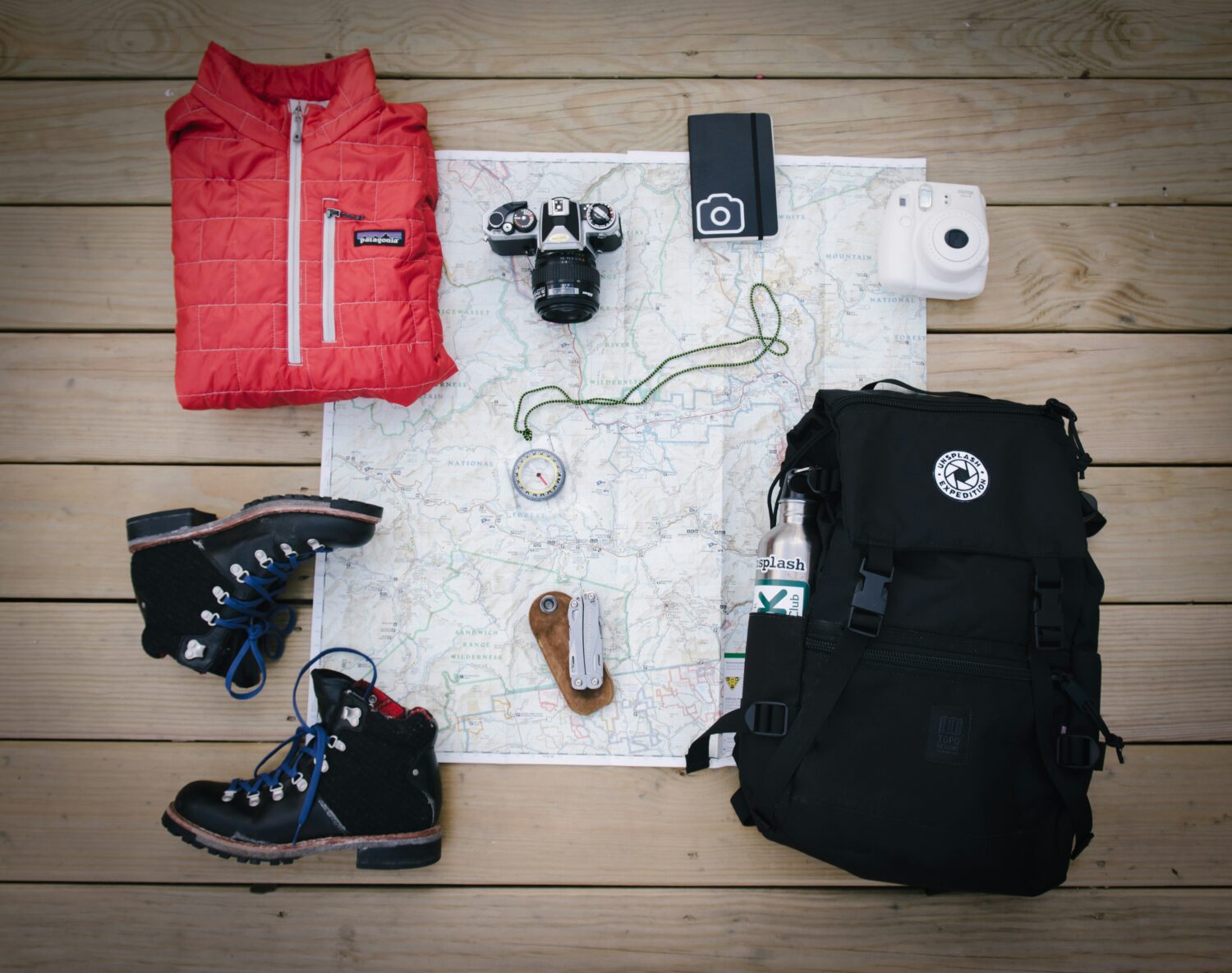
Uganda Safari Packing List for Rainy Season Photographers
Photographers who choose to shoot Uganda’s green season, roughly March through May and again in October and November, are usually chasing something specific: dramatic skies, saturated foliage, dramatic storm light, and far fewer vehicles crowding a sighting than you’d find during the June-to-September peak. It’s a genuinely rewarding trade, but it comes with real logistical demands that a standard dry-season packing list doesn’t cover. A Uganda safari packing list for rainy season photographers needs to solve for three problems simultaneously: keeping expensive camera equipment dry and functional in humid, wet conditions, keeping yourself comfortable through long, damp game drives, and still being able to move quickly enough to catch fleeting light and unpredictable wildlife behavior. This guide walks through exactly what to bring, category by category, based on what actually holds up in Uganda’s forests and savannahs during the wetter months.
Understanding What Rainy Season Actually Means for Your Gear
Before getting into the packing list itself, it’s worth setting expectations correctly. Uganda’s rainy seasons aren’t defined by constant, all-day downpours the way some travelers imagine. Rain typically arrives in shorter, heavier bursts, often in the late afternoon or overnight, followed by long stretches of humid but dry weather that are actually excellent for photography once the clouds break. That pattern shapes almost every packing decision below: you need protection that can handle sudden, intense exposure to water rather than constant drizzle, and you need gear that recovers quickly once conditions clear, since some of the best light of the entire trip often comes in the twenty minutes right after a storm passes.
Humidity is the quieter threat that catches a lot of photographers off guard. Even on days without rain, Uganda’s forested regions, particularly around Bwindi Impenetrable Forest and Kibale, run consistently humid, and that moisture works its way into camera bodies, lenses, and memory card slots over the course of a multi-day trip just as effectively as a downpour would. Packing for rainy season photography in Uganda means packing for both threats at once, not just the obvious one.
Camera Body and Lens Protection
The single most important item on this entire list is proper rain protection for your camera body and lens, and it’s worth investing in real gear rather than improvising with a plastic bag once you’re already at the gate. A dedicated rain cover, sized to fit over a body with a telephoto lens attached, lets you keep shooting through a passing shower rather than packing everything away and missing the shot entirely. If you’re bringing multiple lenses, pack a cover sized generously enough to accommodate your longest one, since a cover that barely fits your standard zoom becomes useless the moment you switch to a 400mm for a distant elephant or a tree-climbing lion in Queen Elizabeth National Park.
Silica gel packets deserve more space in your bag than most photographers give them. Dropping a handful into your camera bag, lens cases, and even your daypack helps manage the ambient humidity that builds up over days of forest trekking and boat cruises along the Nile. A microfiber cloth, or ideally several, is non-negotiable too, since lens fogging happens constantly when you move between an air-conditioned vehicle and Uganda’s humid outdoor air, and a smudged, foggy lens ruins a shot just as thoroughly as an actual raindrop on the glass. Pack more cloths than feels necessary; they get damp and stop working faster than you’d expect in these conditions.
A lens hood, which some photographers treat as optional in dry conditions, becomes genuinely important during rainy season, both for keeping stray water droplets off the front element and for reducing glare during the soft, diffused light that follows a storm. And if your camera body isn’t weather-sealed, it’s worth knowing that limitation before you leave rather than discovering it mid-trip; older or budget bodies without sealing need considerably more caution around moisture than newer weather-resistant models, and that difference should shape how aggressively you shoot through marginal conditions.
Bags, Cases, and Keeping Everything Dry in Transit
Your camera bag itself needs to do more work during rainy season than during the dry months. A backpack with a genuinely waterproof rain cover built in, or a separate cover you carry specifically for it, protects your entire kit during the transition between vehicle and lodge, which is often when gear gets wettest since that’s when you’re exposed and moving rather than settled somewhere sheltered. Dry bags are worth adding too, particularly for the launch cruise portion of a Murchison Falls itinerary, where spray off the Nile combines with whatever rain is falling to create genuinely wet conditions on an open boat. A soft-sided dry bag large enough for a spare body or a couple of lenses gives you somewhere safe to stash gear you’re not actively shooting with during that particular activity.
For memory cards and batteries, a small waterproof hard case is worth the minimal extra weight. These items are compact enough that losing them to moisture damage feels like an avoidable, frustrating loss, and a dedicated case also keeps them organized and easy to find quickly when you’re changing cards mid-sighting. Bring more spare batteries than you think you need regardless of season, since cooler, damp conditions and increased screen use for checking shots in low light both drain batteries faster than a straightforward sunny-day shoot.
Clothing That Actually Works for Wet-Season Game Drives
Clothing choices for rainy season safari photography need to balance staying dry against staying cool, since Uganda’s humidity means heavy, fully waterproof rain gear often leaves you sweating through your clothes just as thoroughly as the rain would have. A lightweight, breathable rain jacket, ideally one that packs down small enough to stuff into a daypack, is far more useful than a bulky waterproof coat you’ll be tempted to leave behind. Quick-dry trousers in a neutral color, khaki, olive, or grey rather than bright colors that can spook wildlife or stand out uncomfortably against green forest backgrounds, are worth prioritizing over cotton, which stays wet and uncomfortable for hours once soaked.
Footwear deserves particular attention for rainy season trips, especially if your itinerary includes any forest walking or gorilla trekking. Waterproof, ankle-supporting hiking boots with real tread are essential rather than optional during the wetter months, since trails around Bwindi and Kibale become genuinely slippery and muddy, and a fall while carrying camera equipment is a far worse outcome than simply having wet feet. Gaiters, which some travelers skip during dry season, are worth packing here too, both for mud protection and for the added layer against the safari ants and other ground-level insects that become more active during and after rain. A wide-brimmed hat with a chin strap handles both sudden rain and the strong sun that often follows it, and pack a lightweight fleece or insulating layer for early morning game drives, since temperatures drop more noticeably after rain than most travelers expect from a country sitting right on the equator.
Extra Layers of Protection Worth the Extra Weight
A few items that feel like overkill for dry-season travel earn their place firmly in rainy season packing. Ziplock bags in a range of sizes are almost embarrassingly useful, protecting everything from spare lenses to phones to passports during sudden downpours, and they weigh essentially nothing. A compact travel umbrella, while not something you’ll use while actively shooting, is genuinely handy during transitions between your room and a vehicle or dining area, saving your rain jacket for moments when you actually need to keep shooting through weather. Packing an extra set of shoes, even simple sandals, gives your hiking boots a chance to actually dry out overnight rather than being forced back onto wet feet the next morning, which becomes a real comfort issue on a multi-day itinerary.
Bringing a dry bag or simply a few extra large ziplock bags specifically for your laptop or tablet, if you’re traveling with one to back up images each night, is worth the minor extra packing space. Reviewing and backing up shots is one of the most important parts of a photography-focused trip, and losing a device to a damp bag or an unexpected splash on a boat is a genuinely avoidable disaster.
Lens Choices and Kit Planning for Wet-Season Shooting
Rainy season Uganda rewards a slightly different lens strategy than the dry months. The soft, even light that follows a storm is often more flattering for portraits and landscape work than the harsh midday sun common during peak dry season, so it’s worth packing a mid-range zoom or a prime lens specifically for those post-rain windows rather than relying purely on a telephoto setup built around distant wildlife. That said, a solid telephoto, ideally in the 200 to 500mm range, remains essential for the wildlife photography itself, particularly in savannah parks like Murchison Falls and Queen Elizabeth where animals are spread across open terrain rather than close to the vehicle.
Fewer photographers think to pack a lens specifically suited to gorilla and chimp trekking conditions, but it’s worth planning for separately if that’s part of your itinerary. Forest light is dim even without rain clouds overhead, and a fast prime or a zoom with a wide aperture, something in the 24-70mm or 70-200mm range with an f/2.8 or faster maximum aperture, handles the low-light, close-range conditions of a gorilla encounter far better than a telephoto built for open savannah distances. If gorilla trekking is on your itinerary, our detailed guide to gorilla trekking permits and what to expect on the trek covers the practical logistics of the day itself, which is worth reading alongside this packing list since the physical demands of the trek shape how much gear you’ll actually want to carry into the forest.
Practical Habits That Protect Your Gear as Much as the Equipment Itself
Good gear only goes so far without good habits to match it. Changing lenses inside the vehicle rather than outdoors during a game drive dramatically reduces the amount of moisture and dust that gets into your camera body, and it’s a habit worth building even during brief dry spells since Uganda’s air carries more humidity than most photographers are used to managing. Keeping your camera slung under a rain jacket or poncho rather than exposed between shots, even during a light drizzle, adds up over a multi-day trip in ways that a single rainy afternoon wouldn’t reveal.
At the end of each day, taking gear out of wet bags and cases to air dry overnight, rather than leaving everything zipped up in a damp bag until the next morning, meaningfully reduces the risk of mold or moisture damage building up over a longer itinerary. Most lodges, including those around Murchison Falls and the western parks, are used to accommodating photographers and can usually point you toward a dry spot, sometimes even near a fan or dehumidifier, if you ask.
Packing With the Rest of Your Itinerary in Mind
A rainy season photography kit doesn’t exist in isolation from the rest of your trip, and it’s worth cross-checking this list against your actual itinerary before you finalize your bags. A trip built primarily around Murchison Falls and the northern savannah parks calls for a different balance of gear than one centered on forest trekking in the southwest, and packing too heavily for one and not enough for the other is a common mistake among photographers building their first rainy season list. If you haven’t finalized your route yet, our guide to planning a Uganda safari itinerary around the parks and activities that matter most to you is a useful starting point for matching your gear list to the actual days you’ll be shooting.
It’s also worth factoring rainy season into your broader trip timing decisions rather than treating this packing list as an afterthought bolted onto a dry-season plan. Green season travel genuinely does offer photographic advantages, quieter parks, dramatic light, and lush landscapes that simply don’t exist during the dry months, but it rewards travelers who’ve prepared specifically for it rather than those who packed a standard list and hoped for the best. If you’re weighing whether rainy season is the right call for your own photography goals, or you want help building an itinerary that plays to the wet season’s genuine strengths rather than just working around its challenges, our team can help you plan a route that matches both your gear and your creative priorities. Get in touch through Murchison falls park safari to start planning a rainy season photography safari, or browse our existing Uganda safari packages for a sense of how a well-timed green season itinerary comes together from start to finish.