

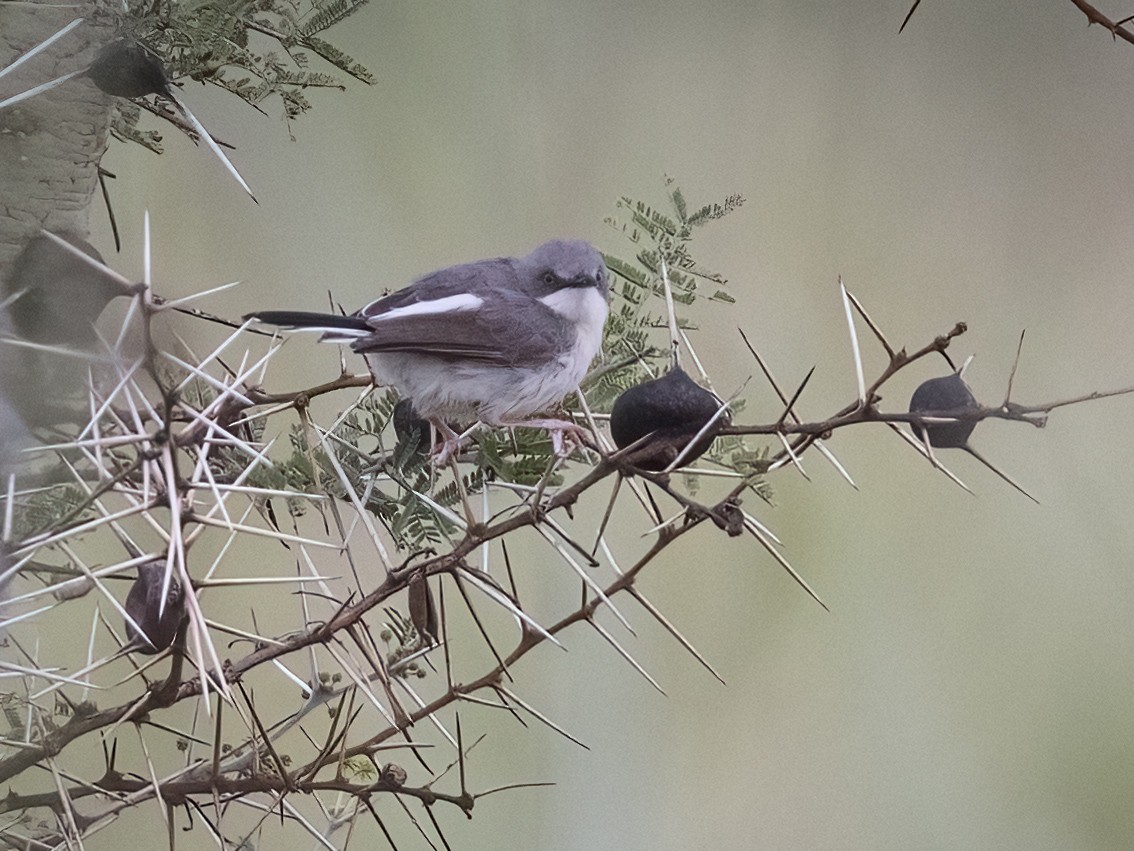
Karamoja Apalis and the Birds of Kidepo Valley
Tucked into the remote, sun-baked northeastern corner of Uganda, where the country presses up against both Kenya and South Sudan, Kidepo Valley National Park has quietly earned a reputation among serious birders as one of the most rewarding and least crowded birding destinations anywhere in East Africa. At the heart of that reputation sits one small, unassuming bird, the Karamoja Apalis, a species so tied to this single corner of the continent that its very name announces exactly where dedicated birders need to travel if they want any real chance of seeing it.
Why Kidepo Valley Is Uganda’s Best-Kept Birding Secret
Uganda as a whole is already recognized as one of Africa’s premier birding destinations, with well over a thousand recorded species spread across its forests, wetlands, savannas, and mountain ranges, and within that extraordinary national tally, Kidepo Valley National Park holds a special place. Estimates of the park’s bird list generally sit somewhere between 460 and 477 confirmed species, depending on which survey and source you consult, placing Kidepo among Uganda’s top two or three birding parks alongside Queen Elizabeth National Park, despite being one of the country’s least visited reserves overall. That combination of an exceptional species count and comparatively low visitor traffic is precisely what makes Kidepo so appealing to birders who want peaceful, unhurried encounters rather than jostling for position with other vehicles at a single sighting.
Kidepo’s ecological value comes from its unusual position at the meeting point of several distinct biomes. The park is recognized as an Important Bird Area precisely because it supports species associated with both the Somali-Maasai biome, which stretches across the arid country of northern Kenya and the Horn of Africa, and the Sudan-Guinea biome further west, giving Kidepo a genuinely unique bird community that blends species found nowhere else in Uganda with a handful of true regional endemics found only within this specific corner of the Karamoja sub-region. Roughly a hundred so-called dry-country residents shared with northern Kenya round out the list, alongside dedicated raptor diversity that includes at least fourteen species believed to be largely restricted to the Kidepo and Karamoja region specifically.
Meet the Karamoja Apalis: Uganda’s Most Celebrated Birding Specialty
Among all of Kidepo’s remarkable birds, none carries quite the same cachet for serious listers as the Karamoja Apalis, a small, delicately marked warbler that takes its very name from the Karamoja sub-region surrounding the park. This is not a bird you can reliably tick off in any other part of Uganda, and its presence is one of the central reasons Kidepo pulls in birders willing to make the long journey to the country’s remote northeastern frontier rather than sticking to the more accessible circuits further south and west. The Karamoja Apalis favors dry scrub and thorny acacia habitat rather than dense forest, moving through low vegetation in a manner that rewards patient, careful observation far more than a quick drive-by scan, and birders who manage a confirmed sighting typically describe spending genuine time working suitable scrub edges with an experienced local guide before finally locking onto the bird.
The Karamoja Apalis shares its remote corner of Uganda with several other species that carry similarly outsized reputations among East African birders, most notably the black-breasted barbet and Jackson’s hornbill, both of which draw dedicated attention from visitors specifically chasing Uganda’s rarest and most range-restricted specialties. Clapperton’s spurfowl, sometimes still referenced under its older name of Clapperton’s francolin, and the rose-ringed parakeet round out the small cluster of species considered near-endemic to the Kidepo region within Uganda’s borders, giving the park an unusually concentrated cluster of genuinely hard-to-find birds within a relatively compact area.
The Wider Cast of Kidepo’s Spectacular Bird List
Beyond its headline specialties, Kidepo’s overall bird community reads like a highlight reel of East Africa’s most visually striking and behaviorally fascinating species. Common ostriches move across the open plains in numbers that rival anywhere else on the continent, while secretary birds stalk through the grass hunting snakes and small prey with their characteristic long-legged stride. Kori bustards, among the heaviest flying birds in the world, patrol the same open country, and flocks of red-throated and northern carmine bee-eaters add flashes of brilliant color against Kidepo’s dry-season backdrop. The Abyssinian roller and Abyssinian ground hornbill, both striking dry-country specialists rarely encountered elsewhere in Uganda, are recorded regularly within the park, alongside the closely related Abyssinian scimitarbill with its elegantly curved bill.
Raptor enthusiasts find Kidepo particularly rewarding, with Verreaux’s eagle, martial eagle, bateleur, long-crested eagle, and the diminutive pygmy falcon all recorded within the park, alongside the more range-restricted fox kestrel, a slender, elegant falcon rarely encountered anywhere else in Uganda. Egyptian vultures and lappet-faced vultures add further weight to Kidepo’s reputation as one of the country’s premier raptor-watching destinations, a reputation reinforced by research suggesting a substantial share of the park’s recorded birds of prey are effectively restricted to this single region. Smaller, equally rewarding sightings round out a Kidepo bird list, including the golden pipit, silverbird flycatcher, superb starling with its iridescent flash of color, scarlet-chested sunbird, and the aptly named beautiful sunbird, alongside white-headed buffalo weaver, steel-blue whydah, purple grenadier, and rufous chatterer.
Where and When to Go Birding Inside Kidepo Valley
Most birding activity within Kidepo Valley National Park concentrates around a handful of well-known, highly productive areas, with the Narus Valley standing out as perhaps the single most rewarding zone in the park thanks to its combination of permanent water, varied vegetation, and correspondingly dense concentrations of both resident and migratory species. The area immediately surrounding Apoka Rest Camp is another consistently productive spot, with visitors regularly recording notable species without straying far from their accommodation, while the fringes of the Namamkwenyi Valley offer further opportunities for dedicated birders willing to explore beyond the park’s most obvious hotspots. Early morning and late afternoon game drives combined with short guided walks tend to produce the best results, since Kidepo’s dry, open terrain means birds are considerably more active and visible during the cooler parts of the day rather than the intense heat of midday.
Timing your visit also matters considerably if migratory species are part of your target list, since Kidepo receives a meaningful influx of Palearctic migrants between November and April, adding species such as the pallid harrier and lesser kestrel to the park’s already impressive resident tally during these months. Visitors purely focused on Kidepo’s dry-country residents and near-endemics, including the Karamoja Apalis itself, can generally find rewarding birding at almost any time of year, though the driest months tend to concentrate both birds and mammals more predictably around the park’s limited permanent water sources, improving overall visibility across the board.
Combining Kidepo with the Rest of a Uganda Safari
Kidepo’s remote location, roughly five hundred and seventy kilometers from Kampala in a straight line, and considerably further by road given the terrain involved, means most visitors reach the park either via scheduled or chartered light aircraft from Entebbe or Kajjansi airstrip, or via a long but scenically rewarding overland drive that typically passes through Gulu and Kitgum in northern Uganda. That overland route is precisely what makes Kidepo a realistic and genuinely exciting extension for travelers already building an itinerary around Murchison Falls National Park, since both parks sit within Uganda’s broader northern circuit, and a well-planned itinerary can link the two without the logistical complexity of returning all the way to Kampala or Entebbe in between.
For travelers with the time and appetite for a genuinely off-the-beaten-path adventure, adding Kidepo to a Murchison Falls itinerary delivers an extraordinary contrast, trading the lush riverine forest and thundering Nile gorge of Murchison for Kidepo’s wide-open savanna, rugged mountain backdrops, and a bird list that includes species found nowhere else in the country. The mammal list is equally compelling on its own terms, with Kidepo home to roughly seventy-seven recorded mammal species including elephant, buffalo, lion, leopard, and the more unusual sightings of cheetah, bat-eared fox, and side-striped jackal, alongside large herds of Jackson’s hartebeest, eland, zebra, and giraffe moving across the park’s dramatic open plains.
Planning Your Karamoja Apalis and Kidepo Valley Birding Trip
Given Kidepo’s remoteness and the specialized nature of many of its most sought-after species, working with an experienced local guide is genuinely essential rather than simply helpful, since knowledge of specific territories, seasonal movement patterns, and the subtle calls that distinguish species like the Karamoja Apalis from similar warblers found elsewhere in East Africa makes an enormous difference to what visitors actually see during their time in the park. A well-planned Kidepo birding itinerary should build in enough time, ideally three to four full days at minimum, to properly work the Narus Valley, the Apoka area, and at least one more remote sector of the park, since rushing through Kidepo in a single overnight stop rarely does justice to what the reserve genuinely has to offer.
At Murchison Falls Park Safari, we help travelers build exactly this kind of ambitious northern Uganda itinerary, combining the Nile-side drama of Murchison Falls National Park with an extension into Kidepo Valley for those serious about adding the Karamoja Apalis and Kidepo’s other prized specialties to their birding life list. We can arrange the flights or overland routing between the two parks, connect you with guides who know Kidepo’s birding hotspots intimately, and structure your full itinerary around the seasons that suit your specific target species, whether that means chasing migrants between November and April or focusing purely on dry-country residents at another time of year. Reach out to our team today to start planning a Uganda birding safari that pairs Murchison Falls with the wild, remote beauty of Kidepo Valley, and give yourself a genuine shot at one of Africa’s most celebrated and hardest-earned birding specialties.