New Eco-Lodges on Murchison Falls’ North Bank
Murchison Falls National Park’s north bank, the sprawling savannah stretching away from the Nile’s northern shore, has long been the heart of the park’s game viewing, home to Paraa’s classic lodge circuit, the mid-range comfort of Pakuba, and some of Uganda’s richest concentrations of lions, elephants, and Rothschild’s giraffes. What’s new is a genuinely different kind of property arriving in one of the north bank’s most remote corners. Kulu Ora, opened in early 2026 by WildPlaces Africa, has established a small-footprint luxury lodge inside a newly designated low-impact zone deep within the park, and it represents a meaningful shift in what accommodation on this side of the river can look like. This piece walks through what Kulu Ora actually offers, how it fits alongside the north bank’s established lodges, and what its arrival signals about the direction Murchison Falls’ accommodation scene is heading.
What Makes Kulu Ora Different
Kulu Ora sits within a newly designated low-impact zone covering roughly 75,000 hectares across the park’s Kisangani Plains, an area shared with only one other property, WildPlaces’ own Papa’s Camp. This exclusivity is the defining feature of the lodge; rather than competing for space along the more heavily trafficked game tracks near Paraa, Kulu Ora’s guests have access to a section of the park that has seen almost no leisure tourism until now. WildPlaces Africa has described the process of establishing the site in fairly literal terms, with the company’s founders recounting having to cut a path through kilometers of untouched bush and wade through marshland just to reach the location where the lodge now stands.
Location and the Nile Setting
The lodge sits directly on the banks of the Nile at a point where the river splits around a small jungle island, generating rapids that send mist and sound across the property, a genuinely dramatic setting distinct from the calmer stretches of river found near the park’s more established lodges. Kulu Ora’s name reflects this river-centered identity directly, translating roughly to “river” in two local languages. Guests reach the lodge either by road, a journey of roughly five to six hours from Kampala via Masindi, or more commonly by scheduled or private charter flight from Entebbe or Kajjansi into the nearby Pakuba airstrip, followed by a short transfer into the low-impact zone itself.
Inside the Lodge: Suites, Design, and Amenities
Kulu Ora offers eleven ensuite, canvas-walled suites, each raised on a platform and finished with timber floors, handcrafted and vintage furniture, and private plunge pools overlooking the river. Bathrooms feature deep copper bathtubs positioned deliberately to take advantage of Nile views, and the property includes a main swimming pool, a spa, a bar, and a library curated by WildPlaces co-founder Pamela Wright, giving the lodge a more personal, considered feel than a standard safari property. One of the eleven suites is a two-bedroom unit designed specifically for families or small groups traveling together, a detail worth noting for anyone planning a multi-generational or group safari to this part of the park.
Sustainability as a Design Principle, Not Just a Label
The “eco” framing around Kulu Ora isn’t incidental branding; it shapes how the lodge was actually built. The property runs fully on solar power, sources produce from an on-site garden that also helps protect the surrounding ecosystem, and was constructed using a minimal-impact method that WildPlaces states allows most of the structure to be dismantled within a week without leaving a lasting trace on the land, a meaningful commitment for a lodge sitting inside one of Uganda’s most ecologically significant protected areas. Every guest stay also carries a twenty-five-dollar conservation levy per bed night, with proceeds directed to WildPlaces’ Foundation, which funds habitat protection work and community-based projects around Murchison Falls National Park.
What Guests Actually Do at Kulu Ora
Activities at Kulu Ora lean heavily into the low-impact zone’s isolation and the river’s dominant presence. Game drives explore what WildPlaces calls “the Heart of Murchison,” a section of savannah known for lions, buffalo, and wide-ranging plains game, with the low visitor density meaning encounters often happen without another vehicle anywhere in sight, a genuinely rare experience in a park that draws substantial numbers of visitors to its more accessible sectors. Fishing excursions and boat-based wildlife viewing take advantage of the lodge’s direct river access, and night drives, generally restricted in more heavily used parts of Uganda’s parks, are available here given the zone’s special low-impact designation. The area is also drawing interest from birders, since its remoteness and habitat diversity support strong sightings alongside the more commonly sought mammals.
How Kulu Ora Fits Alongside the North Bank’s Established Lodges
Understanding what makes Kulu Ora distinct requires some context on what already exists along Murchison’s north bank, since the new lodge isn’t replacing these options so much as adding an entirely different tier above them.
 Paraa Safari Lodge: The Historic Anchor
 Paraa Safari Lodge: The Historic Anchor
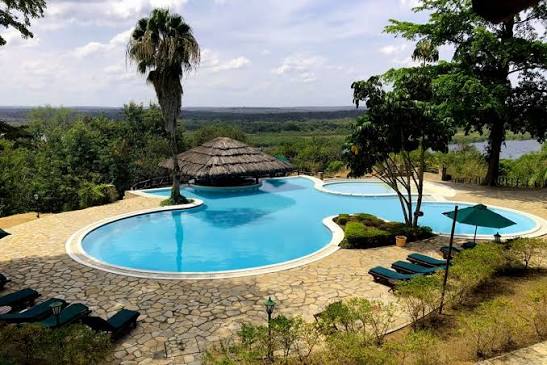
Paraa Safari Lodge, first opened in 1954, remains the north bank’s most storied property and its largest, with fifty-four rooms positioned just minutes from some of the park’s most productive game tracks. Its classic “Golden Age” safari architecture, grand staircases, wide verandas, elegant period styling, offers a very different atmosphere from Kulu Ora’s intimate, low-footprint design, and its central Paraa location near the Nile ferry crossing makes it the most convenient base for travelers wanting easy access to the park’s most popular game drive circuits.
Pakuba Safari Lodge: The Mid-Range Standard
 Pakuba Safari Lodge: The Mid-Range Standard
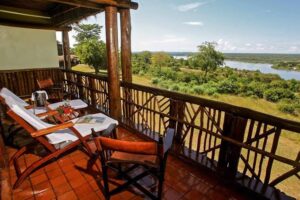
Pakuba Safari Lodge, sitting on the eastern bank of the Albert Nile near the park’s Tangi Gate, occupies the mid-range tier of north bank accommodation, with somewhere around forty rooms built from a renovated former state lodge structure with a notable history, having once hosted Idi Amin during Uganda’s turbulent political past. Pakuba runs on solar power and offers straightforward, comfortable accommodation with strong access to the park’s northern game tracks, making it a practical choice for travelers prioritizing value and location over the boutique experience Kulu Ora is built around.
Where Kulu Ora Sits in the Picture
Kulu Ora doesn’t really compete with Paraa or Pakuba on price or positioning; it occupies a category largely new to this part of the park, comparable in spirit to East Africa’s most exclusive low-density safari camps rather than to Murchison’s traditional lodge circuit. For travelers, this means the north bank now offers a genuinely tiered set of choices: Paraa for classic, centrally located comfort, Pakuba for reliable mid-range value, and Kulu Ora for travelers specifically seeking seclusion, an elevated design sensibility, and a section of the park that most visitors will simply never see.
What Kulu Ora’s Arrival Signals for Murchison Falls
The opening of Kulu Ora arrived alongside another development worth noting for international travelers: Uganda Airlines’ introduction of direct flights between London Gatwick and Entebbe, a combination that has meaningfully improved access to Uganda for UK and European visitors specifically. Together, these two developments point toward a broader trend of Murchison Falls’ accommodation and access continuing to mature, with the park now able to support both its long-established, higher-volume lodge circuit and a newer category of low-density, design-forward properties aimed at travelers who prioritize exclusivity and conservation-linked tourism. For a park that is Uganda’s oldest and largest protected area, this kind of expansion, adding genuinely new experiences rather than simply more of the same, is a meaningful signal of how the destination is positioning itself for the years ahead.
Choosing the Right North Bank Lodge for Your Safari
Deciding between these options ultimately comes down to what kind of trip you’re planning. Families or groups on a first Uganda safari, or travelers building an itinerary around a broader multi-park trip, will likely find Paraa or Pakuba’s central locations and established infrastructure easier to work with logistically. Travelers with a more generous budget and a specific interest in seclusion, whether for a honeymoon, an anniversary trip, or simply a desire to see a part of Murchison Falls that few others do, will find Kulu Ora’s low-impact zone setting hard to match anywhere else in the park.
If you’re planning a Murchison Falls safari and want help deciding between the park’s classic lodges and newer additions like Kulu Ora, our team at Murchison Falls Park Safari can match the right property to your budget, group size, and the kind of experience you’re after, and build the logistics of flights, transfers, and game drives around it. Contact us to start planning your stay on Murchison’s north bank.
For more on planning your visit, our guides on Murchison Falls National Park game drives and boat cruises, getting to the park by road or by air, and the best time of year to visit for wildlife viewing are all available on murchisonfallsparksafari.com and pair well with this guide.