Quietcation Safaris: Why Uganda’s Green Season Is Trending
A quiet but persistent shift has been showing up in global travel data over the past couple of years: travelers are increasingly choosing calm over crowds, deliberately seeking out destinations and seasons built around stillness rather than packed itineraries and peak-season bustle. This trend, now widely referred to as the quietcation, has been named one of the defining travel movements of the past two years, with search interest in quiet destinations climbing sharply and demand for calm-focused travel experiences rising in step. Uganda’s green season, the lush, rain-touched stretch of the calendar that most conventional safari advice steers travelers away from, turns out to be an almost perfect match for exactly what quietcation travelers are looking for, and it’s worth understanding why.
What a Quietcation Actually Means
A quietcation isn’t simply a quiet vacation in the generic sense; it describes a specific, increasingly named travel preference centered on tranquility, digital disconnection, and a deliberate move away from tightly scheduled, high-tempo itineraries. Industry trend reports have described it as a movement toward comfort and silence, sometimes labeled hushpitality, built around escaping the compounding stress of an always-on digital culture rather than filling a vacation with constant activity and stimulation. Surveys tracking this shift have found more than half of travelers expressing genuine interest in a quiet or silent retreat experience, and the appeal cuts across a wide range of traveler types, from overworked professionals and city dwellers to retirees, parents, and independent travelers simply looking for a break from constant connectivity, whether or not they’d use the term “quietcation” themselves.
Why Uganda’s Green Season Fits the Trend So Naturally
 Uganda’s climate follows a bimodal pattern typical of equatorial East Africa, with two dry seasons, roughly June through August and December through February, and two wet seasons, March through May and September through November. Conventional safari planning advice steers most travelers toward the dry windows, when trails are firmer and wildlife viewing conditions are generally considered easiest. What that conventional advice tends to underplay is exactly what makes the wet, or green season, so well suited to quietcation-style travel: significantly fewer visitors, dramatically lush and photogenic landscapes, and a slower, less scheduled pace that lines up almost precisely with what quietcation travelers say they’re looking for.
Fewer Crowds, More Space
Uganda’s parks and gorilla trekking permits see meaningfully lower demand during the green season months, which translates directly into a quieter, more spacious experience on the ground. Fewer vehicles competing for the same game-viewing sightings, fewer trekkers on a given gorilla family’s trail, and generally less congestion at popular viewpoints all combine to produce something closer to the solitude that quietcation travelers specifically seek out, a stark contrast to the more crowded conditions that can accompany Uganda’s peak dry-season months, particularly August and December, when visitor numbers climb noticeably.
Landscapes at Their Most Dramatic
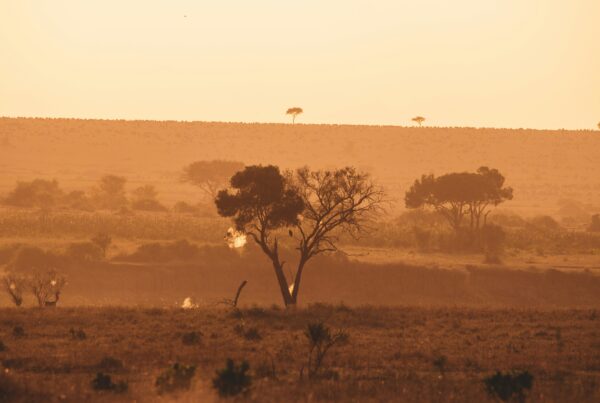
The green season earns its name honestly. Rainfall transforms Uganda’s savannahs and forests into a considerably more vivid landscape than the dustier, browner terrain typical of the dry months, and this shift has genuine value beyond aesthetics. Photographers and travelers drawn to the visual side of a safari consistently rate the wet season’s lush vegetation and dramatic, cloud-heavy skies as some of the most striking conditions Uganda offers, and the more frequent afternoon thunderstorms tend to clear quickly, leaving crisp, atmospheric light rather than prolonged grey, washed-out days.
A Genuinely Slower Pace
Uganda’s rainy season doesn’t typically mean constant, all-day downpours; showers tend to arrive as intense but relatively brief afternoon storms, often clearing by evening and leaving mornings well suited to game drives, treks, or quiet time at a lodge. This pattern naturally encourages a slower daily rhythm than a jam-packed dry-season itinerary might, with more built-in downtime around the midday rains, exactly the kind of unhurried pacing that quietcation-minded travelers are actively seeking rather than trying to work around.
Green Season Wildlife and Birding
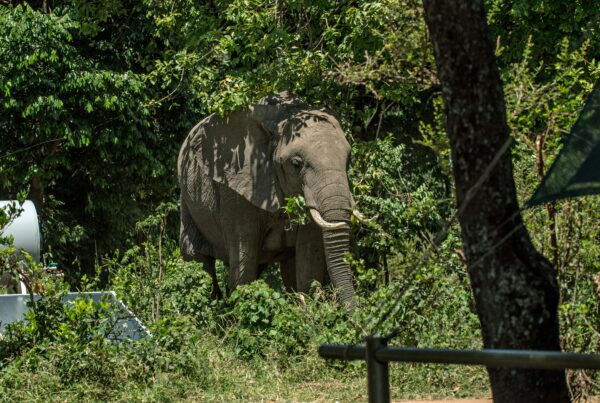
The green season isn’t a wildlife-viewing compromise so much as a different kind of wildlife experience, one that rewards a different set of priorities. Uganda’s resident wildlife populations, including the lions, elephants, and buffalo found in parks like Queen Elizabeth National Park and Murchison Falls National Park, remain present year-round regardless of season, meaning travelers focused on Big Five-style sightings still have strong opportunities even outside the dry months. Where the green season genuinely excels is birding: this is the window when migratory species arriving from Europe and North Africa join Uganda’s resident bird populations, and many resident species are in their most vibrant breeding plumage, making the wet months some of the strongest on the calendar for dedicated birders.
Gorilla Trekking During the Green Season
Gorilla trekking remains entirely viable during Uganda’s wet months, since forest ecosystems in Bwindi Impenetrable Forest and Mgahinga Gorilla National Park support tracking activity year-round, though trails do become noticeably muddier and the terrain more physically demanding than during the dry season. For travelers prioritizing solitude and lower permit competition over the easiest possible hiking conditions, the trade-off often works in their favor, since green season treks tend to involve smaller groups and a quieter overall experience in the forest.
The Value Argument: Green Season Pricing
Beyond the experiential case for traveling during Uganda’s rains, there’s a straightforward financial one. Lodges and safari operators across Uganda typically reduce rates meaningfully during the green season, with luxury properties in particular sometimes discounting by a significant margin compared to peak dry-season pricing, and some smaller camps closing briefly during the wettest stretches rather than operating at reduced capacity. This combination of lower accommodation costs and reduced competition for gorilla permits has led some safari commentators to describe green season travel as a kind of value arbitrage, where the same permits, lodges, and wildlife experiences come at a noticeably lower overall cost simply by shifting a trip’s timing by a few months.
Which Months and Parks Work Best for a Quietcation Safari
Uganda’s two wet windows aren’t identical, and understanding the distinction helps in choosing the right green season month for a quietcation-style trip. The March to May long rains bring the heaviest precipitation of the year, with April and early May generally considered the wettest and least crowded stretch on the entire calendar, ideal for travelers prioritizing maximum solitude and willing to accept the muddiest trekking conditions. The September to November short rains tend to be somewhat gentler, with September in particular straddling the line between rainy and increasingly popular, since it also marks the beginning of the lush green transition that draws photographers specifically for the scenery.
Parks With Lighter Rainfall During the Wet Season
Not every part of Uganda experiences the rains equally. Murchison Falls National Park and Kidepo Valley National Park both receive notably less precipitation during the wet months than parks further south and west, largely due to their specific position within Uganda’s equatorial climate zones. This makes them particularly strong choices for travelers drawn to the quietcation concept but wary of committing to the heaviest rainfall areas, offering much of the green season’s reduced crowding and lush scenery with a comparatively lower risk of extended downpours disrupting game drives.
Packing and Practical Considerations for a Green Season Safari
Green season travel does call for some adjustments to standard safari packing. A genuinely waterproof outer layer matters considerably more than it does during the dry months, and travelers heading into rainforest environments for gorilla or chimpanzee trekking should prioritize footwear with strong traction, since forest trails and volcanic soil in areas like Bwindi’s surroundings become notably slippery when wet. Camera equipment benefits from reliable weatherproofing or a dry bag given the higher humidity and rain exposure, and packing layers that dry quickly tends to serve travelers better than heavier fabrics that stay damp between activities.
Is a Green Season Safari Right for Your Quietcation
A green season Uganda safari suits travelers whose priorities lean toward solitude, atmosphere, and value over guaranteed dry trails and peak-season predictability. It’s a particularly strong fit for photographers chasing dramatic light and lush scenery, birders timing their trip around migratory arrivals, and travelers specifically drawn to the quietcation concept of slower, less crowded, more reflective travel. Travelers with less flexibility around trekking difficulty, or those who specifically want the most reliable possible conditions for a once-in-a-lifetime gorilla trek, may still find the dry season windows a safer choice, but for a growing number of travelers, Uganda’s rains are proving to be less an obstacle to work around and more the entire point of the trip.
If Uganda’s green season sounds like the kind of quiet, unhurried safari you’re looking for, our team at Murchison Falls Park Safari can help you time your trip for the right balance of solitude, scenery, and value, and match your itinerary to the parks best suited to wet-season travel. Contact us to start planning a quietcation safari built around Uganda’s lush, quieter months.
For more on planning your trip, our guides on the best time to visit Uganda for wildlife viewing, gorilla trekking permits and preparation in Bwindi, and Murchison Falls National Park’s year-round game drives are all available on murchisonfallsparksafari.com and pair well with this guide.