Packing for Rainy vs Dry Season Safari in Uganda
The single biggest mistake travelers make when packing for a Uganda safari isn’t forgetting an item, it’s packing the same list regardless of when they’re actually traveling. Uganda’s climate splits into distinct dry and green (rainy) seasons, and what serves you well on a July game drive can leave you genuinely uncomfortable on an April gorilla trek, and vice versa. Understanding exactly how these two seasons differ, and adjusting your packing list accordingly, makes a meaningful difference in how enjoyable your trip actually feels on the ground.
Understanding Uganda’s Two Seasons
Uganda’s equatorial climate produces two dry seasons, roughly June through August and December through February, and two wet seasons, March through May and September through November. The dry months bring firmer trails, dustier savannah, and generally easier road conditions, while the wet months transform the landscape into something considerably greener and more dramatic, at the cost of muddier trails and less predictable daily weather. Neither season is objectively better for a safari, each has genuine advantages, but each demands a different approach to what goes in your bag.
Clothing: The Core Differences
Dry Season Clothing
During Uganda’s dry months, lightweight, breathable clothing in neutral tones, khaki, olive, tan, works well for both comfort and wildlife-viewing purposes, since muted colors are less likely to startle animals or attract insects than bright colors or pure white. Days can get genuinely hot, particularly in the savannah parks, so moisture-wicking fabrics and a wide-brimmed hat for sun protection matter considerably more during this season than during the rains. Mornings and evenings still cool down noticeably, even in dry season, so a light fleece or jacket remains worth packing for early game drives and evening activities despite the daytime heat.
Green Season Clothing
The wet months call for a meaningfully different clothing strategy. A genuinely waterproof outer layer becomes essential rather than optional, since afternoon showers are a regular, near-daily occurrence during peak wet months, even if they tend to pass relatively quickly. Quick-drying fabrics matter more during this season than any other packing consideration, since damp clothing that takes a full day to dry becomes a genuine annoyance on a multi-day itinerary without laundry access at every stop. Layering becomes more important as well, since green season mornings can feel cooler and more humid than dry season equivalents, and having pieces you can add or remove as conditions shift through the day serves you better than a single heavier layer.
Footwear: Where the Two Seasons Diverge Most
Footwear is arguably the single category where dry and green season packing needs differ most dramatically, and getting this wrong causes more discomfort than almost any other packing mistake.
Dry Season Footwear
Sturdy, broken-in walking shoes or light hiking boots handle dry season trails comfortably, since firm ground and dust are the primary conditions to plan around rather than mud or standing water. Comfortable closed-toe shoes for game drives, paired with a single pair of sturdier boots for any walking safaris or shorter treks, generally covers the footwear needs for a dry season trip without requiring anything highly specialized.
Green Season Footwear
Green season trekking, particularly gorilla or chimpanzee tracking through forest terrain, calls for footwear with genuinely strong traction, since muddy, slippery forest trails and volcanic soil become considerably more treacherous when wet. Waterproof hiking boots with aggressive tread patterns are worth prioritizing over standard walking shoes during this season, and some experienced green season trekkers specifically pack gaiters, fabric or waterproof coverings worn over the lower leg and boot top, to keep mud and moisture from working their way in during a long forest trek. Bringing a second pair of shoes, even simple sandals or camp shoes, gives you something dry to change into each evening after a muddy day, a small addition that makes a meaningful comfort difference on a longer green season itinerary.
Rain Gear: A Green Season Priority
While a light rain jacket is worth having on hand regardless of season, given Uganda’s occasional unpredictable weather even during nominally dry months, it becomes a genuine priority during the wet season rather than a backup item. A proper waterproof rain jacket, ideally one that packs down small and breathes reasonably well given Uganda’s humidity, is worth prioritizing over a basic poncho, which tends to perform poorly on an active trek through dense forest vegetation. Waterproof covers for daypacks and camera equipment are similarly worth packing specifically for the wet season, since Uganda’s afternoon showers can arrive with real intensity even if they don’t last long.
Camera and Electronics Considerations
Photography equipment needs different protection depending on the season, and this is worth planning for specifically rather than assuming your gear will fare the same regardless of conditions. Dry season photographers should prioritize dust protection, since Uganda’s savannah parks can kick up considerable dust during game drives, particularly toward the end of the dry season when ground cover is at its sparsest. Green season photographers need the opposite priority, weatherproofing or a reliable dry bag for camera equipment, given the higher humidity and genuine risk of rain exposure during forest treks and game drives alike. A simple silica gel packet or two in your camera bag helps manage humidity-related lens fogging during the wetter months, a small addition that’s easy to overlook until it becomes a problem in the field.
Insect Protection Across Both Seasons
Mosquito and insect protection matters year-round in Uganda regardless of season, though the intensity can shift somewhat with the rains, since standing water during the wet months tends to support higher mosquito activity in some areas. A reliable insect repellent containing DEET or a comparable active ingredient, long sleeves and trousers for evening wear, and antimalarial medication prescribed ahead of your trip all remain constant requirements regardless of which season you’re traveling in, and none of this should be treated as a seasonal variable the way clothing and footwear are.
Packing for Gorilla and Chimpanzee Trekking Specifically
Because primate trekking involves genuine physical exertion through forest terrain, it deserves its own seasonal packing consideration separate from general safari activities. In the dry season, trekking gear can lean lighter, with standard hiking boots, a light long-sleeved shirt for protection against nettles and thorny vegetation, and gardening-style gloves for gripping vegetation on steeper sections all serving well. In the green season, the same core list needs waterproofing added throughout, from boots to outer layers to pack covers, and packing a full change of clothes to leave at the lodge for after the trek becomes considerably more valuable than during drier months, given how genuinely muddy a wet-season trek can leave you by the time you return.
What Stays the Same Regardless of Season
A number of packing essentials don’t change based on when you’re traveling, and it’s worth keeping these constant across any Uganda itinerary. Binoculars remain valuable for wildlife viewing in any season, as does a reliable daypack for carrying water, snacks, and layers during activities. Sun protection, sunscreen and sunglasses, matters in both seasons, since Uganda’s equatorial sun remains strong even on cloudier, greener days when the risk feels less obvious. A basic first-aid kit, any personal medications, and copies of your travel documents, including your yellow fever vaccination certificate and visa approval, round out the items that belong in every Uganda packing list regardless of the calendar.
Packing List Summary by Season
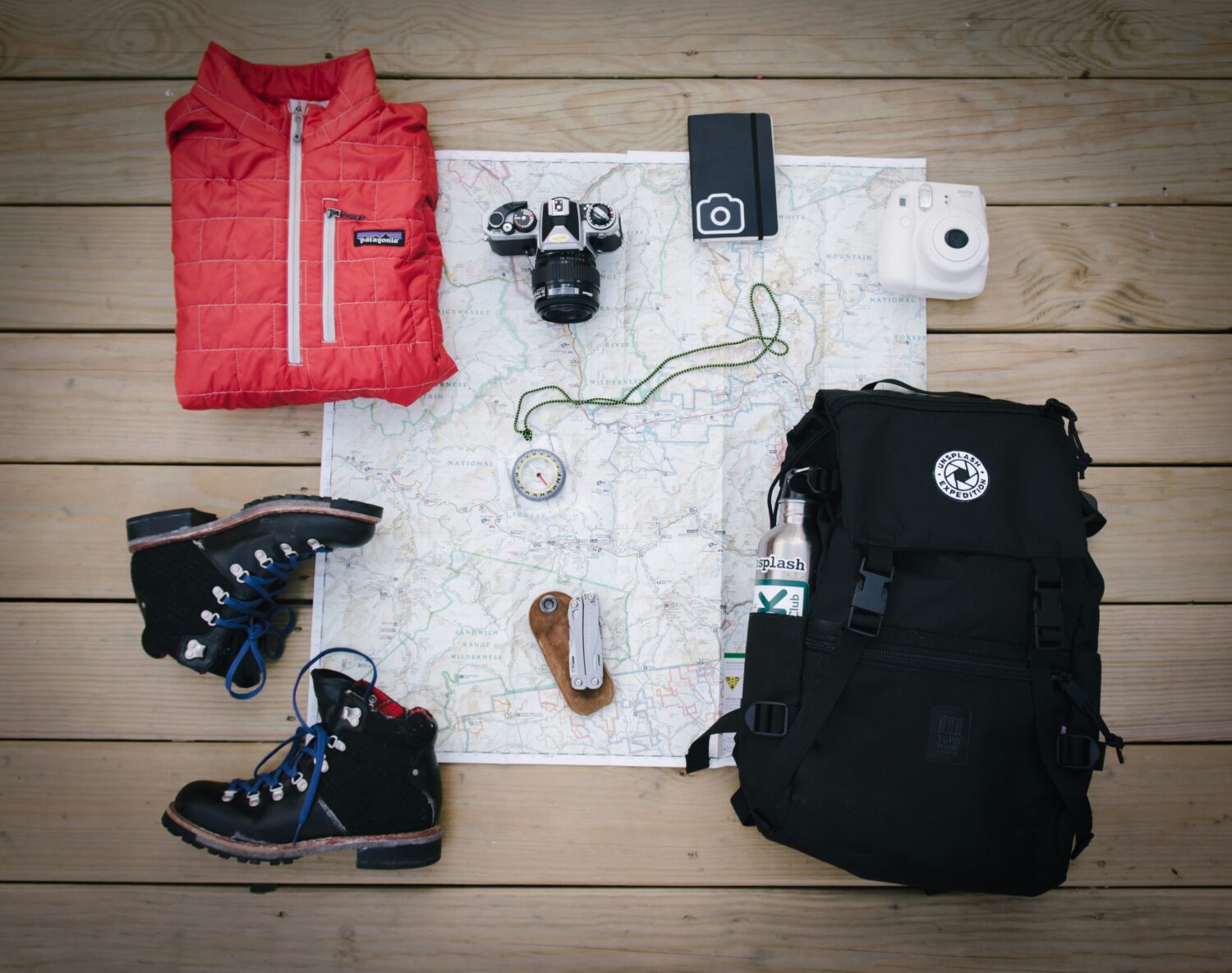
Pulling this together into a practical comparison: dry season travelers should prioritize breathable, lightweight neutral-toned clothing, sun protection, sturdy but standard walking shoes, and dust protection for camera gear. Green season travelers should prioritize genuinely waterproof outer layers, quick-drying fabrics, boots with strong traction and possibly gaiters for forest trekking, a spare pair of shoes for evenings, and weatherproofing for electronics. Both seasons require the same year-round essentials around insect protection, sun care, and core travel documentation.
Laundry Considerations for Longer Trips
For longer safari itineraries spanning more than a few days, it’s worth factoring laundry access into your seasonal packing decisions, particularly during the green season when clothing takes considerably longer to dry naturally. Many lodges across Uganda offer laundry service, which can meaningfully reduce how much clothing you need to pack, particularly quick-drying base layers that can be worn multiple times between washes. Checking with your specific lodges ahead of time about laundry availability, rather than assuming it’s universally offered, helps you calibrate exactly how much clothing volume to bring for your specific itinerary length and season.
Building Your Packing List Around Your Actual Itinerary
The right packing list ultimately depends on the specific mix of activities in your Uganda itinerary, not just the calendar month. A trip weighted heavily toward savannah game drives in Murchison Falls National Park during dry season calls for a different emphasis than a green-season trip centered on gorilla trekking in Bwindi, even though both fall within Uganda’s broader seasonal framework. Reviewing your specific day-by-day itinerary against the guidance above, rather than packing generically for “Africa” or “safari” without regard to season, is the most reliable way to arrive prepared for the actual conditions you’ll encounter.
If you’re planning a Uganda safari and want packing guidance tailored to your specific season and itinerary, our team at Murchison Falls Park Safari can walk you through exactly what to bring based on your travel dates and planned activities. Contact us to start planning a Uganda trip you’ll arrive properly prepared for, whatever the season brings.
For more on planning your trip, our guides on Uganda’s green season and the quietcation travel trend, gorilla trekking permits and preparation, and the best time of year to visit for wildlife viewing are all available, here and pair well with this packing guide.