Arua and the West Nile Region: An Off-the-Beaten-Path Guide
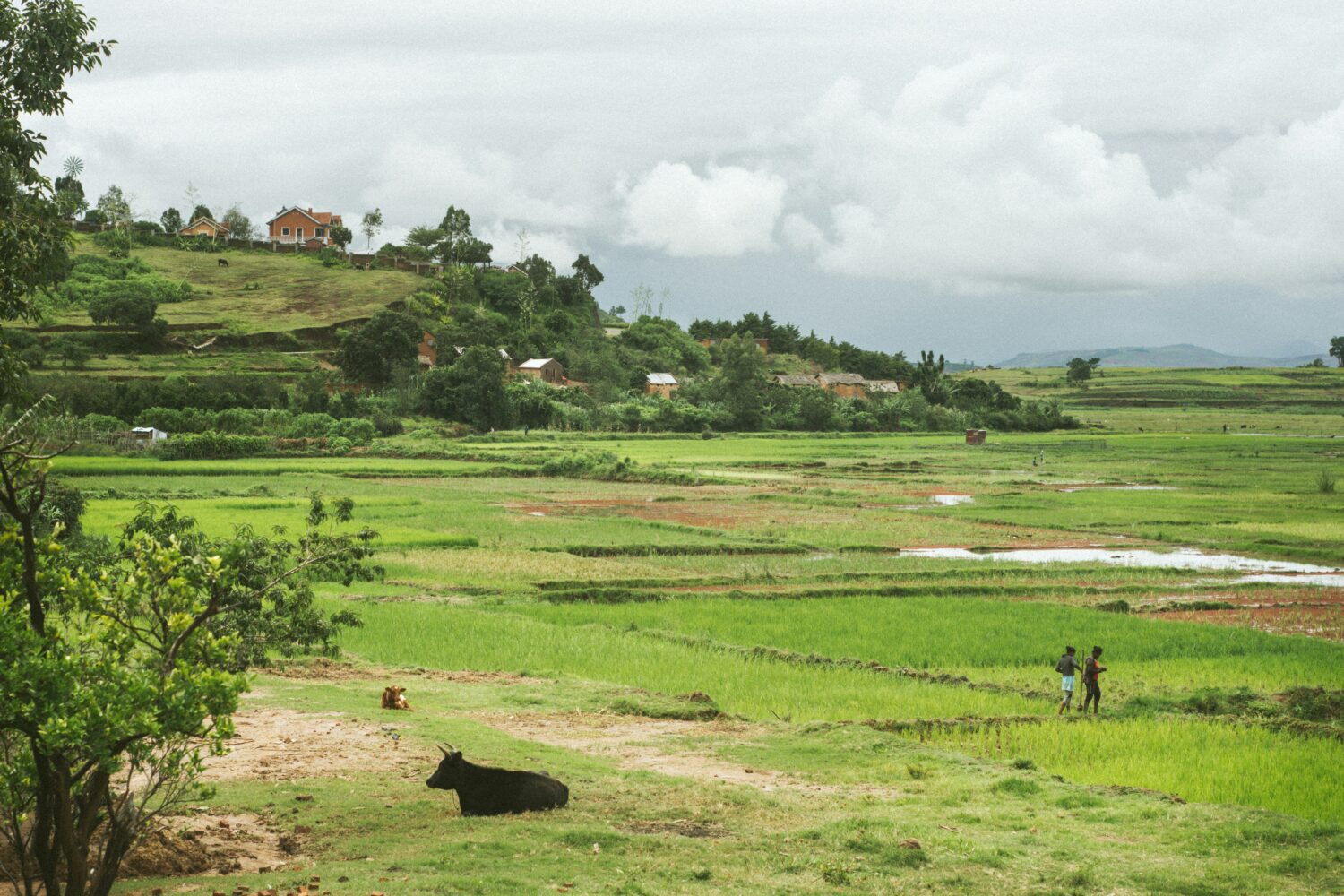
Tucked into Uganda’s remote northwestern corner, bordered by South Sudan to the north and the Democratic Republic of Congo to the west, the West Nile region remains one of the country’s least explored corners by international travelers, despite offering a genuinely distinctive mix of scenery, wildlife, and cultural depth. At the heart of this region sits Arua, recently elevated to city status and serving as the natural gateway for anyone curious enough to venture beyond Uganda’s more familiar southern and western safari circuits. For travelers who have already experienced the classic highlights of Murchison Falls National Park and are looking for something genuinely off the beaten path, extending a trip north into West Nile offers a rewarding, refreshingly uncrowded alternative.
This guide walks through what makes Arua and the wider West Nile region worth the detour, covering the area’s natural attractions, wildlife reserves, cultural and historical sites, and the practical considerations travelers should weigh when planning a visit to this rarely covered corner of Uganda. Our team has helped a number of adventurous travelers incorporate this region into a broader northern Uganda itinerary, and we know precisely how it fits alongside the more established Murchison Falls circuit that most visitors already have on their radar.
Understanding West Nile’s Unique Position
West Nile takes its name from its geography, sitting almost entirely to the west of the Albert Nile as the river flows north out of Lake Albert. The sub-region comprises nine districts, including Arua, Adjumani, Koboko, Maracha, Moyo, Pakwach, Nebbi, Yumbe, and Zombo, and its history is genuinely distinct from the rest of Uganda. The area was originally part of what is now the Democratic Republic of Congo before being formally annexed into the Uganda Protectorate in 1914, a historical quirk that continues to shape the region’s cultural and linguistic diversity today. Travelers moving through West Nile quickly discover that language and custom shift noticeably from one district to the next, with Lugbara spoken widely around Arua giving way to entirely different languages and traditions just a short drive away.
This borderland position, wedged between South Sudan and the Democratic Republic of Congo, has also made West Nile a longstanding regional trade hub, with Arua City sitting at the confluence of established trade routes connecting Uganda to both of its neighboring countries. For travelers interested in a part of Uganda that feels genuinely different from the country’s more heavily marketed southern attractions, this blend of cross-border trade, layered history, and relative tourism obscurity is precisely what makes the region worth exploring.
Arua City: The Region’s Gateway
Arua itself offers a worthwhile stop in its own right, having grown from a colonial-era administrative outpost into a genuine city, formally elevated to city status in April 2020. The town carries visible layers of its history throughout its streets, with preserved historic buildings along Market Street recalling Arua’s early commercial development, and Arua Hill offering a notable tower and monument along with sweeping views across the surrounding landscape. Ediofe Cathedral stands as one of the area’s more architecturally significant landmarks, reflecting the strong Catholic missionary influence that shaped much of the region’s early colonial development, while smaller local museums and cultural centers around the city offer visitors a window into West Nile’s broader history and traditions.
For travelers wanting a genuine slice of everyday local life, a visit to Arua Park, the town’s bustling central market, offers an immersive, unfiltered look at daily commerce in this part of Uganda, considerably removed from the more curated tourist markets found in Kampala or Entebbe. Evenings in Arua bring a relaxed, low-key social scene, with casual bars and informal live music venues offering visitors an easy way to unwind after a day of exploring, while a match at Barifa Stadium, home to the town’s enthusiastic local football following, offers a genuinely memorable slice of community energy for travelers interested in experiencing Arua beyond its formal tourist attractions.
Ajai Wildlife Reserve: A Rarely Visited Wilderness
Perhaps the single most compelling wildlife destination in the entire West Nile region is Ajai Wildlife Reserve, a protected area located roughly forty kilometers east of Arua on the western bank of the Nile. Originally gazetted in 1965 specifically to protect a significant population of white rhinos, the reserve today hosts a genuinely diverse range of wildlife despite its relatively small size and low visitor numbers, including leopard, Uganda kob, sitatunga, hippo, black-and-white colobus monkeys, warthog, buffalo, and a range of other species adapted to the reserve’s mix of wooded savanna and seasonally flooded swampland surrounding a large central island.
What makes Ajai particularly distinctive for adventurous travelers is precisely how little-visited it remains compared to Uganda’s more established parks. Game drives and nature walks here unfold in near-total solitude, offering a genuinely different atmosphere from the more frequently visited southern and western circuits, where multiple vehicles at a single sighting have become an increasingly common part of the experience. For travelers who value seclusion and a genuine sense of discovery over guaranteed high-density wildlife viewing, Ajai Wildlife Reserve delivers an experience that is difficult to find anywhere else in Uganda.
Waterfalls and Natural Scenery Around Arua
The West Nile region holds a genuinely surprising concentration of waterfalls for a part of Uganda not typically associated with dramatic natural scenery. Miridua Falls, located along the Arua-Koboko road roughly twenty minutes outside of town, takes its name from a local declaration made following a 1956 village assembly, with the name translating roughly to rough flowing water, an apt description of the falls’ churning cascade. Ragem Waterfalls and Oluko Waterfalls offer further options for travelers wanting to explore the region’s natural beauty at a gentler, more contemplative pace than a full game drive requires, each offering scenic photo opportunities and a quiet escape from the town center.
Barifa Forest, along with the smaller Mvara Forest Reserve closer to Arua itself, rounds out the region’s natural attractions, offering forest walks and birdwatching opportunities within easy reach of the city for travelers with limited time who still want to experience West Nile’s greener, more untouched corners.
Cultural and Historical Sites Worth Visiting
Beyond its natural attractions, West Nile carries a genuinely complex historical legacy worth exploring for travelers with a deeper interest in Uganda’s twentieth-century history. Nearby Koboko is known locally as the birthplace of Idi Amin, and travelers interested in this chapter of Ugandan history can visit the area as part of a broader West Nile exploration, alongside more sobering historical sites like the Rhino Camp War Cemetery near Arua, a beautifully maintained resting place for soldiers of various nationalities who died during the Second World War, standing as a quiet reminder of the region’s role in a much larger global conflict.
Ombaci Cultural Village and the Ayivu Cultural Center both offer more directly immersive cultural experiences, giving visitors a genuine window into the traditions, customs, and daily life of the Lugbara and other communities native to the region. For travelers who enjoy connecting with local culture through food, sampling the regional specialty known locally as the Arua special, typically grilled meat served alongside plantains and a variety of side dishes, offers a genuinely memorable culinary introduction to the area’s distinct West Nile character.
How West Nile Connects to Murchison Falls National Park
One of the most practical reasons to consider adding West Nile to a Uganda itinerary is its natural geographic connection to Murchison Falls National Park. Travelers heading north from Kampala toward Arua typically pass directly through the Karuma Falls area along the Kampala-Gulu highway, close to the northern entrance gate of Murchison Falls National Park itself, making it entirely feasible to combine a Murchison Falls safari with a northward extension into West Nile without significant additional backtracking. The Pakwach corridor, sitting along the western edge of Murchison Falls National Park, offers a particularly natural bridge between the two regions, allowing travelers to transition from classic savannah game viewing directly into West Nile’s quieter, less-visited attractions within a single continuous northern Uganda circuit.
This connection makes West Nile a genuinely practical addition for travelers who have already built several days into a Murchison Falls itinerary and are looking for a meaningful way to extend their time in northern Uganda, rather than backtracking south toward Kampala immediately after their final game drive.
Practical Considerations for Visiting West Nile
Because West Nile receives so few international visitors compared to Uganda’s established safari circuit, tourism infrastructure here remains considerably less developed, with fewer formal tour operators, guides, and accommodation options specifically built around foreign travelers. This is precisely part of the region’s off-the-beaten-path appeal, but it also means travelers should approach a West Nile extension with realistic expectations and, ideally, the support of an experienced local operator who can arrange appropriate guides, transport, and accommodation given the area’s more limited formal tourism network.
Road access to Arua has improved considerably in recent years, and the city’s continued development, including planned improvements to its regional airport, suggests the area’s accessibility will likely continue to improve over time. For now, most travelers reach the region by road from Kampala via the Karuma Falls route, a journey that can be broken up naturally with a stop at Murchison Falls National Park along the way, transforming what might otherwise be a long, purely functional drive into a genuinely rewarding two-part northern Uganda journey.
Who Should Consider a West Nile Extension
A West Nile extension suits travelers who have already experienced Uganda’s more established parks and are specifically seeking a genuine off-the-beaten-path experience, along with those with a particular interest in Uganda’s borderland history, cross-cultural dynamics, and less-visited wildlife reserves. Travelers whose primary interest lies in dense, guaranteed wildlife encounters may find Ajai Wildlife Reserve’s lower wildlife density, relative to parks like Murchison Falls or Queen Elizabeth, a less compelling draw than the reserve’s genuine seclusion offers, and should weigh this trade-off honestly before committing significant time to the region.
For adventurous travelers willing to embrace a more exploratory pace and a considerably less polished tourism infrastructure, however, West Nile offers something increasingly rare in African travel: a corner of the continent that still feels genuinely undiscovered.
Planning Your West Nile Extension
Extending a Uganda itinerary north into Arua and the wider West Nile region requires careful coordination given the area’s more limited tourism infrastructure and the natural sequencing this kind of trip demands alongside a Murchison Falls safari. Our team can help arrange exactly this kind of extension, working with appropriate local guides and transport to ensure your time in this remote, rarely visited part of Uganda unfolds smoothly and safely. Contact us today to start planning a Uganda safari that combines the classic wildlife highlights of Murchison Falls National Park with a genuinely off-the-beaten-path extension into Arua and the West Nile region, an itinerary combination that few other travelers to Uganda ever consider, and one that rewards those willing to venture a little further off the well-worn safari trail.