
Lake Bunyonyi Uganda: Complete Travel Guide
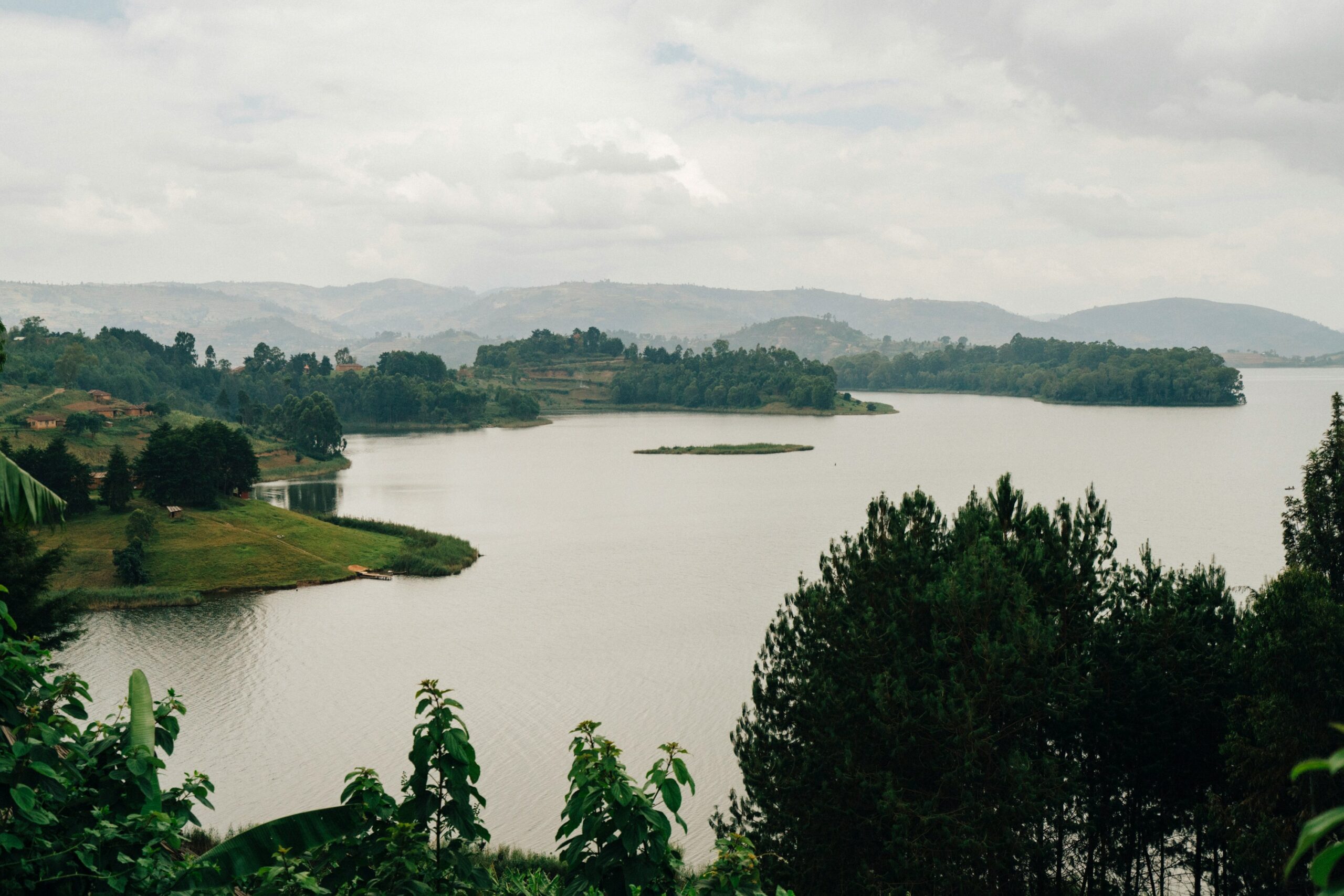
Lake Bunyonyi Uganda is one of the most breathtaking highland lakes in East Africa, known for its calm waters, terraced hills, and scattered islands that rise dramatically from the surface. Located in southwestern Uganda near Kabale, the lake sits at an altitude of about 1,962 meters, making it one of the deepest and most scenic crater lakes in the region. Unlike many African lakes, Lake Bunyonyi is bilharzia-free and free of dangerous wildlife such as crocodiles and hippos, which makes it exceptionally safe for swimming, canoeing, and relaxation.
The lake’s name translates to “place of many little birds,” and this is reflected in its rich birdlife that includes weaver birds, kingfishers, herons, and numerous migratory species. Travelers who visit often describe it as a peaceful retreat after intense wildlife safaris in parks such as Bwindi Impenetrable National Park or Queen Elizabeth National Park. It has become a favorite destination for honeymooners, backpackers, cultural travelers, and safari tourists looking for quiet scenic recovery time in nature.
For visitors planning Uganda safari circuits with Murchison Falls Park Safari, Lake Bunyonyi offers a perfect contrast to the savannah plains of Murchison Falls National Park, combining forested highlands, water landscapes, and cultural encounters in one destination.
Location and Accessibility of Lake Bunyonyi Uganda
Lake Bunyonyi Uganda is located in the Kabale District, close to Uganda’s southwestern border with Rwanda. The lake lies approximately 7 kilometers from Kabale town and about 400 kilometers from Kampala. The journey to the lake typically passes through Uganda’s rolling countryside, tea plantations, banana groves, and mountainous landscapes that gradually transition into the Kigezi highlands.
Travelers usually access the lake by road, and the drive from Kampala takes around eight to ten hours depending on traffic and stops along the way. Many safari itineraries combine Lake Bunyonyi with gorilla trekking in Bwindi Impenetrable Forest due to their close proximity. From Bwindi, the drive to the lake can take between one to three hours depending on the sector visited.
The road network into Kabale is well maintained, although the final approach to the lake involves winding hillside roads that open up to dramatic panoramic views. These viewpoints are often considered some of the most beautiful in Uganda, offering sweeping perspectives of islands scattered across deep blue waters surrounded by terraced hills.
Geological Formation and Natural Beauty
The beauty of Lake Bunyonyi Uganda is deeply tied to its volcanic origin. The lake is believed to have formed thousands of years ago as a result of volcanic activity that shaped the Kigezi region. Over time, water filled the depressions left behind, creating a complex system of islands and inlets that now define its unique appearance.
The lake is one of the deepest in Africa, with depths reaching over 900 meters in some areas. Despite this depth, the waters remain calm and inviting, with no strong currents or dangerous aquatic predators. This geological stability contributes to its reputation as one of the safest lakes for recreational activities in East Africa.
Surrounding the lake are steep terraced hills cultivated by local communities. These terraces are not only functional for agriculture but also add to the lake’s visual appeal, especially during sunrise and sunset when the landscape is painted in soft golden light.
Islands and Cultural Significance
One of the most distinctive features of Lake Bunyonyi Uganda is its collection of 29 islands, each with its own cultural history and local legends. Some islands are inhabited, while others remain untouched and serve as natural sanctuaries.
The most famous is Punishment Island, historically known for its dark cultural past where unmarried pregnant girls were abandoned. Today, it stands as a symbol of cultural evolution and awareness rather than punishment. Other islands are home to local communities, schools, and small farms that preserve traditional ways of life.
Cultural experiences around Lake Bunyonyi allow visitors to engage with the Bakiga people, known for their rich heritage, farming traditions, and vibrant storytelling. Travelers often learn about local music, dance, farming systems, and historical practices that have shaped life in the highlands for generations.
Things to Do at Lake Bunyonyi Uganda
Lake Bunyonyi Uganda offers a wide variety of activities centered around nature, relaxation, and cultural immersion. Canoeing is one of the most popular experiences, allowing visitors to explore the lake’s islands using traditional dugout canoes guided by local paddlers. This activity provides a quiet and immersive way to experience the lake’s tranquility while observing birdlife and shoreline communities.
Swimming is another unique highlight due to the lake’s safe waters. Unlike many African lakes, visitors can swim freely without concern for crocodiles or hippos, making it one of the few natural lakes in the region where this is possible.
Hiking is also widely enjoyed, especially along the surrounding hills that offer panoramic viewpoints of the lake and its islands. These hikes vary from short scenic walks to longer trekking routes that pass through local villages and farmland.
Birdwatching is a key attraction due to the lake’s rich biodiversity. Lake Bunyonyi Uganda is home to over 200 bird species, making it a paradise for ornithologists and nature lovers.
Cultural visits to nearby communities provide insight into traditional lifestyles, while cycling tours along the hills offer adventurous travelers a chance to explore the landscape at a slower pace.
Accommodation Around Lake Bunyonyi Uganda
Accommodation around Lake Bunyonyi Uganda ranges from luxury eco-lodges to midrange lakeside resorts and budget-friendly cottages. Most properties are strategically located on hilltops or directly along the lakefront, offering uninterrupted views of the islands and surrounding hills.
Luxury lodges focus on privacy, comfort, and panoramic scenery, often featuring cottages with private balconies overlooking the lake. Midrange accommodations provide comfortable rooms with essential amenities and easy access to canoeing and hiking activities. Eco-lodges emphasize sustainability, blending natural materials with low-impact design to preserve the environment.
Many travelers choose to stay at lakeside properties that allow direct access to canoe rides at sunrise or sunset, creating unforgettable moments of calm reflection. The peaceful atmosphere of Lake Bunyonyi makes it particularly popular for honeymooners and couples seeking privacy after safari adventures.
Best Time to Visit Lake Bunyonyi Uganda
The best time to visit Lake Bunyonyi Uganda is during the dry seasons, which typically run from June to September and December to February. During these months, roads are more accessible, skies are clearer, and outdoor activities such as canoeing and hiking become more enjoyable.
However, the lake remains a year-round destination due to its mild highland climate. Even during rainy seasons, the misty hills create dramatic photographic conditions that enhance the lake’s mystical beauty. Rainfall is often short-lived, allowing travelers to continue exploring throughout the day.
How Lake Bunyonyi Fits into a Uganda Safari
Lake Bunyonyi Uganda is often included in safari itineraries that feature gorilla trekking in Bwindi Impenetrable Forest or wildlife safaris in Queen Elizabeth National Park. Its proximity to Bwindi makes it an ideal post-trekking relaxation destination where travelers can recover after strenuous forest hikes.
When combined with northern Uganda destinations such as Murchison Falls National Park, Lake Bunyonyi provides a balanced safari experience that covers savannah wildlife, rainforest encounters, and serene highland landscapes. Many itineraries designed by Murchison Falls Park Safari integrate the lake as a final relaxation stop before departure from Uganda.
Wildlife and Birdlife Experience
Although Lake Bunyonyi Uganda does not host large safari animals, its biodiversity is remarkable in terms of birdlife and small wildlife species. The lake environment supports a wide range of birds, amphibians, and aquatic plants that thrive in the calm ecosystem.
Birdwatching enthusiasts often spot species such as grey crowned cranes, African harriers, and pied kingfishers. The surrounding hills also support butterflies and small mammals, contributing to the ecological richness of the area.
Conservation and Environmental Importance
The ecosystem of Lake Bunyonyi Uganda remains relatively well preserved due to limited industrial activity and strong community involvement in conservation. Local initiatives focus on protecting water quality, preserving bird habitats, and promoting sustainable tourism practices that benefit surrounding communities.
Tourism plays a major role in supporting conservation efforts by providing income to local residents and encouraging the protection of natural resources. Many lodges around the lake actively engage in eco-friendly practices such as waste management, tree planting, and community education programs.
Who Should Visit Lake Bunyonyi Uganda
Lake Bunyonyi Uganda appeals to a wide range of travelers including honeymooners seeking romantic scenery, solo travelers in search of peace, families looking for safe outdoor experiences, and safari tourists needing relaxation after intense wildlife encounters.
It is especially ideal for visitors who appreciate slow travel, cultural interaction, and scenic landscapes rather than high-adrenaline activities. The calm environment makes it one of Uganda’s most restorative destinations.
Planning Your Visit to Lake Bunyonyi Uganda
Travelers planning a visit to Lake Bunyonyi Uganda are encouraged to include at least two nights to fully appreciate the lake’s atmosphere. Longer stays allow time for canoeing, hiking, cultural visits, and relaxation without rushing through activities.
The lake works best as part of a broader Uganda itinerary that includes gorilla trekking in Bwindi, wildlife safaris in Queen Elizabeth or Murchison Falls National Park, and cultural experiences across the country. Tour operators such as Murchison Falls Park Safari help design seamless journeys that connect Uganda’s most iconic destinations into one continuous experience.
For more Uganda travel inspiration and safari planning, visitors can explore Murchison falls park safari to discover customized safari packages and itinerary options across the country.