

May Safari at Murchison Falls: Shoulder-Season Guide
May sits in an odd, often overlooked pocket of the travel calendar for Murchison Falls National Park, tucked between the drier stretch of the early year and the more crowded dry months that follow from June onward. Because of that positioning, a May safari at Murchison Falls rarely gets the attention it deserves in most planning guides, even though it offers a genuinely compelling combination of lush scenery, lighter crowds, and softer rates. This is shoulder-season travel in its truest sense, neither peak nor deep low season, and understanding exactly what that means for wildlife viewing, road conditions, and day-to-day comfort helps travelers decide whether May is the right window for their own trip to Uganda.
Where May Falls in Murchison Falls’ Seasonal Calendar
Murchison Falls National Park experiences a tropical climate shaped by two dry periods and two wetter periods across the year, and May sits at the tail end of the first rainy stretch, which typically runs from March through May. This makes May part of what is often called the wet season Murchison Falls travelers encounter, alongside April, with rainfall generally reaching its highest levels of the year during these two months before easing off as June approaches. Unlike the more prolonged wet season later in the year around September through November, the April-to-May rains tend to arrive as short, intense downpours rather than sustained all-day drizzle, often followed by clear skies and strong sunshine within the same afternoon.
This pattern matters for how a May trip actually feels on the ground. Rather than picturing constant grey skies, a more accurate mental image is a mix of warm, humid mornings, a dramatic afternoon storm that clears the air, and evenings that cool down pleasantly along the Nile. Daytime temperatures during May typically sit in a comfortable range, often between the low-to-mid twenties and low thirties in Celsius, while nights and early mornings can dip cooler, making blankets and a light jacket worth packing for pre-dawn game drives.
Why May Counts as Shoulder Season, Not Low Season
It is worth drawing a clear distinction between May and the deeper low-season months later in the year, because the two get lumped together too often. May follows directly on from the peak dry-season crowds of the earlier part of the year and comes just before the genuinely busy June-to-September stretch, when Uganda sees its highest volume of international visitors tied partly to gorilla trekking demand and northern hemisphere summer holidays. That positions May squarely as shoulder season Murchison Falls National Park travel: quieter than peak months, but without the more significant logistical challenges that can appear during the heaviest rains later in the year.
Roads within the park do respond to the rainfall, and some of the more remote tracks can become harder to navigate after a heavy downpour, but Murchison Falls sits in a relatively dry region of Uganda compared to other parts of the country, so rain rarely derails an entire day’s plans. Most established routes used for standard game drives remain passable with a good vehicle and an experienced driver-guide, and any adjustments tend to be minor rerouting rather than cancelled activities.
Wildlife Viewing During May
A common assumption is that rainier months automatically mean worse wildlife viewing, but the reality at Murchison Falls is more nuanced than that. During the driest months, animals cluster predictably around the remaining water sources, which does make sightings easier in a narrow sense, but May’s rains bring a different kind of reward. Fresh grass growth attracts grazers such as Uganda kob, buffalo, and hartebeest into more open areas, and predators including lion typically follow that movement. Elephants remain active and visible throughout the park regardless of season, and giraffe sightings along the northern game-viewing circuit stay consistent through May as well.
Birdwatching in May deserves particular mention, since this period sits within one of the strongest windows for bird activity at Murchison Falls. The combination of resident species and lingering migratory birds, paired with lush vegetation and active insect life following the rains, creates excellent conditions for birders, and the park’s reputation for hosting several hundred recorded species is very much on display during this stretch of the year. The chance to spot the iconic shoebill stork, along with a wide range of raptors, kingfishers, and waterbirds along the Nile, makes May a quietly excellent month for anyone whose safari priorities lean toward birding alongside the more traditional Big Five and Nile wildlife.
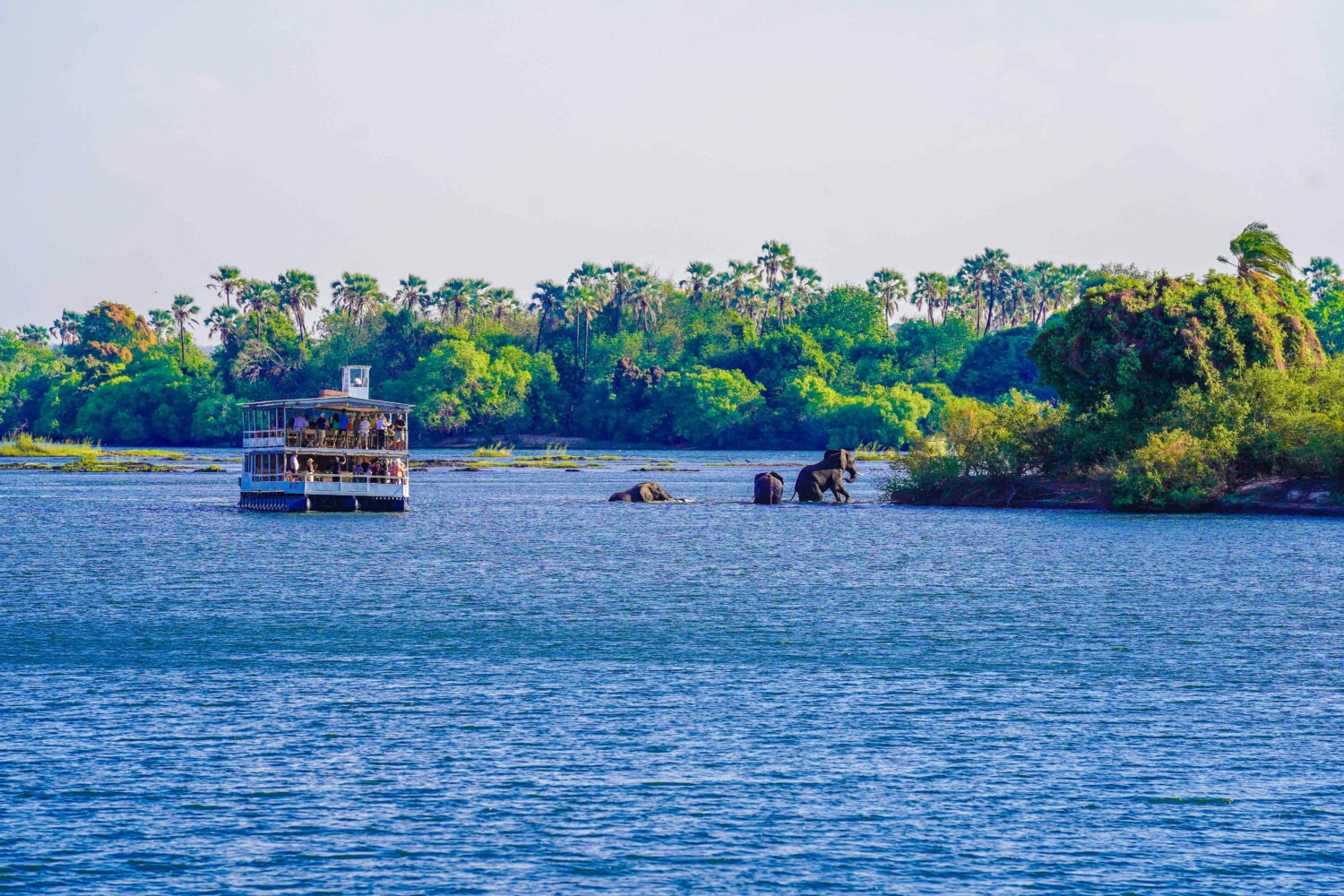
The famous Murchison Falls boat cruise along the Victoria Nile toward the base of the falls also benefits from May’s timing. Water levels tend to be healthy without the extremes of either the driest or wettest months, supporting good visibility of hippos, crocodiles, and the elephant and buffalo herds that frequently come down to the riverbanks to drink, all set against a backdrop of the park at its greenest and most photogenic.
The Landscape Advantage: Why May Looks Different
One of the most underrated aspects of visiting during this window is simply how the park looks. The rains transform Murchison Falls into a vivid green landscape, a striking contrast to the dusty, sun-bleached terrain typical of the driest months. For photographers, this shift in scenery offers dramatically different compositions, richer color palettes, and the kind of dramatic cloud formations that follow an afternoon storm rolling through savannah country. Waterfalls and river systems, including the main falls themselves where the Nile forces its way through a narrow gorge, tend to carry more visible power and volume during and just after the wetter months, adding a sense of drama to the site that dry-season visitors sometimes miss.
Crowds, Availability, and Cost Advantages
Perhaps the most practical reason travelers should give May serious consideration is what it does for May safari deals and overall trip cost. With visitor numbers noticeably lower than the June-to-September peak, lodges around Murchison Falls, including properties near Paraa and along the river delta, often reduce rates during this window, and last-minute availability becomes far more realistic than it would be trying to book a prime dry-season slot only weeks out. This lower demand also means quieter game drives, with fewer vehicles converging on the same sighting, and a more relaxed, personal feel to boat cruises and ranger-guided walks.
For travelers whose schedules are flexible and who are comfortable with a bit of rain in exchange for meaningful savings and smaller crowds, May offers real value without requiring any real sacrifice in the quality of the safari experience itself. This is particularly appealing for travelers combining Murchison Falls with other parts of Uganda, since a shoulder-season itinerary through multiple parks can add up to significant savings across an entire trip compared to booking the same route during peak months.
Packing and Practical Preparation for a May Trip
Preparing for a rainy season Uganda safari in May calls for a slightly different packing list than a dry-season trip, though the adjustments are fairly minor. A good rain jacket or poncho, quick-drying clothing, and waterproof or water-resistant footwear make a noticeable difference on days when an afternoon shower rolls through during a game drive. Layering matters too, since mornings and evenings can feel cooler than the warm, humid midday hours, so packing a light fleece or jacket alongside typical safari clothing in neutral khaki and olive tones covers the range of conditions May tends to bring.
Malaria prevention remains just as important during May as at any other time of year, and arguably more relevant given the increased standing water and humidity that come with the rains, both of which support mosquito breeding. Travelers should treat a combination of a treated mosquito net, consistent repellent use, and prescribed antimalarial medication as standard practice for this trip, regardless of season.
Camera equipment deserves a note of caution too. A simple rain cover or dry bag protects gear during sudden downpours on open-sided safari vehicles, and lens cloths are worth having on hand for the humidity that can occasionally fog optics, particularly early in the morning before temperatures rise.
A Sample Flow for a May Visit
Days during a May visit to Murchison Falls tend to follow a rhythm shaped by the weather pattern itself. Early morning game drives, often the best time to catch predator activity and cooler, more comfortable conditions, typically enjoy clear skies before any afternoon buildup begins. Midday tends to bring rising heat and humidity, a natural window for resting back at the lodge, enjoying the view over the Nile, or reviewing photographs from the morning’s drive. Afternoons are when rain is most likely to arrive, often in a concentrated burst lasting an hour or two, after which skies frequently clear again in time for a late-afternoon boat cruise or a second short game drive before sunset. Evenings along the river tend to be calm and comfortable, with lower humidity than the heat of the day and excellent conditions for stargazing on clear nights.
Is May the Right Time for Your Trip
May will not suit every traveler, and it is worth being honest about that. Anyone whose priority is guaranteed dry roads, the most predictable wildlife concentrations around dwindling water sources, or a completely rain-free itinerary will likely be happier visiting during the December-to-February or June-to-September dry windows instead. But for travelers who value lush green scenery, dramatic skies, strong birding, meaningfully lower costs, and a quieter, less crowded park experience, May stands out as one of the more rewarding and underappreciated times to visit Murchison Falls. It rewards a slightly more flexible mindset about weather in exchange for real advantages elsewhere in the trip.
Travelers weighing May against other months will find it useful to compare notes with broader seasonal guidance covering the full Murchison Falls calendar, since understanding how May relates to the surrounding months helps clarify exactly what trade-offs are involved. Pairing that seasonal research with a solid what to pack for Murchison Falls safari checklist and a clear plan for malaria prevention rounds out the preparation needed for a smooth, well-timed trip.
Planning a Trip Around the May Window
For travelers drawn to the idea of a quieter, greener, more affordable Murchison Falls experience, May offers a genuine opportunity that peak-season guides often overlook entirely. Lodges along the river and within the park’s core game-viewing areas tend to have more flexible availability during this period, which also opens the door to combining a Murchison Falls safari with chimpanzee tracking in nearby Budongo Forest or an extension into Kibale or Queen Elizabeth National Park without the scheduling pressure that peak months bring.
Thinking about building a May itinerary around Murchison Falls and want help matching lodge availability, game drive routes, and boat cruise timing to the shoulder-season rhythm of the park? Reach out and a local safari specialist can help design a trip that makes the most of everything this quieter, greener window has to offer.