

Murchison Falls National Park Flora and Vegetation
A safari in Uganda goes beyond wildlife. The landscapes themselves tell a powerful story, shaped by climate, water systems, and ecological balance. Exploring murchison falls flora reveals a rich and diverse plant environment that supports the park’s incredible wildlife populations.
From open savannah grasslands to dense forests and riverine vegetation, the park showcases a wide range of uganda vegetation types. This botanical diversity creates the foundation for all life in the ecosystem. For travelers interested in a deeper experience, a botanical safari guide offers insight into how plants sustain wildlife and shape the environment.
Overview of Vegetation Zones in Murchison Falls
Murchison Falls National Park features several distinct vegetation zones, each contributing to the park’s ecological richness. These zones define the distribution of uganda plant species and influence wildlife movement.
The park includes savannah grasslands, woodland areas, riverine forests, and tropical forests such as Budongo. Each zone supports unique murchison falls plants, creating a dynamic and interconnected ecosystem.
Understanding these zones enhances your appreciation of murchison falls flora, showing how vegetation shapes the safari experience.
Savannah Grasslands
Characteristics of Savannah Vegetation
Savannah grasslands dominate much of the park, especially in the northern sector. These areas consist of grasses, scattered trees, and shrubs.
This environment supports grazing animals such as buffalo and antelopes, making it a key component of uganda vegetation types.
Common Plant Species
Grass species form the base of the food chain, while trees such as acacia provide shade and food for animals like giraffes.
These murchison falls plants play a crucial role in sustaining wildlife and maintaining ecological balance.
Woodland and Bushland Vegetation
Structure and Composition
Woodland areas feature a mix of trees and shrubs, creating a denser environment compared to open savannah.
This zone supports browsing animals and offers shelter for predators. It represents an important part of the park’s botanical diversity.
Key Plant Species
Species such as Combretum and Terminalia dominate these areas. These plants contribute to the diversity of uganda plant species and provide essential resources for wildlife.
Riverine Vegetation Along the Nile
Importance of Riverine Ecosystems
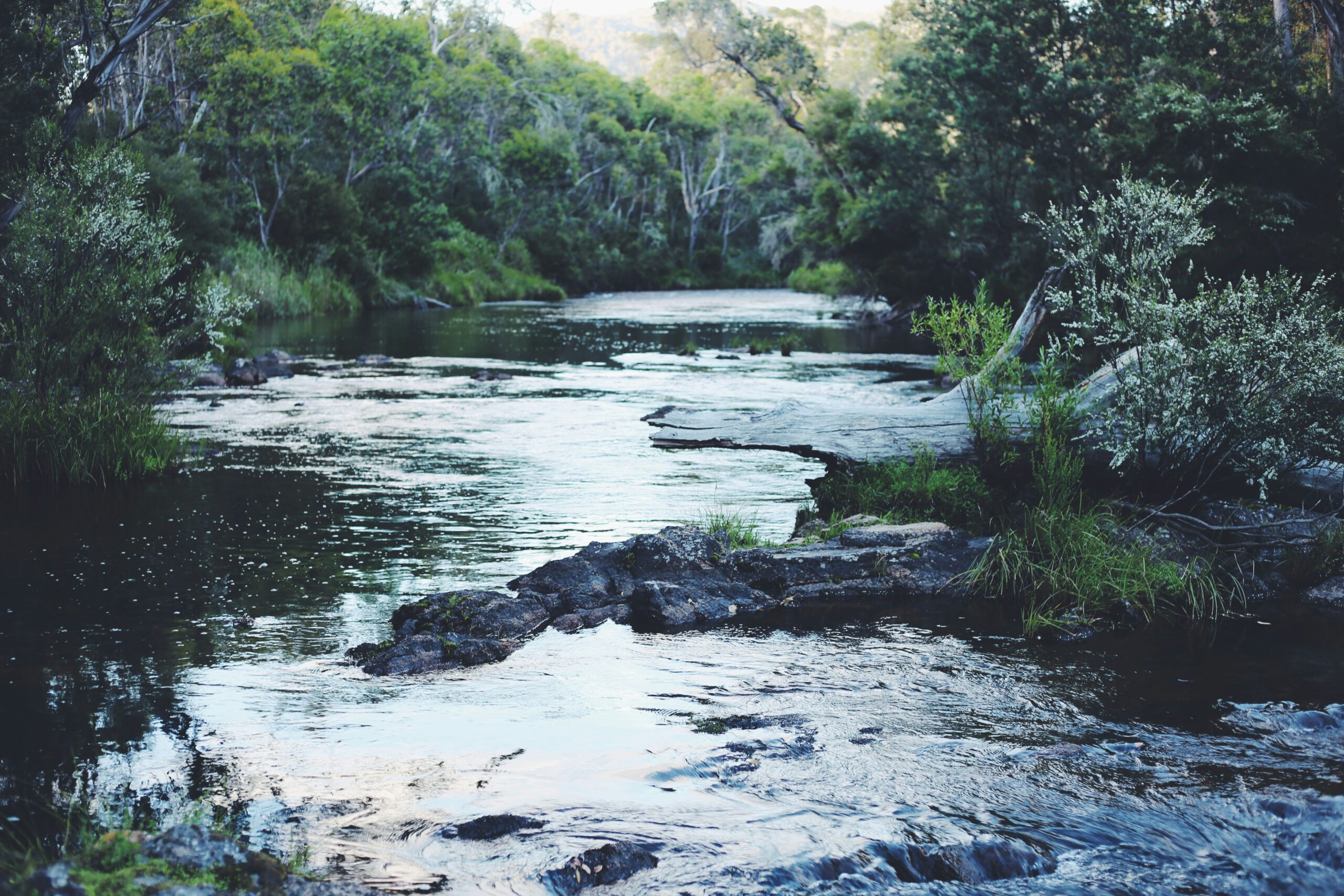
The Nile River supports lush vegetation along its banks. This zone includes grasses, reeds, and trees adapted to water-rich environments.
Riverine vegetation plays a vital role in murchison falls flora, supporting both aquatic and terrestrial species.
Plant Species and Wildlife Interaction
Plants in this area provide food and shelter for animals such as elephants and hippos. Birds also thrive in this environment, enhancing the park’s biodiversity.
This interaction highlights the importance of botanical diversity in maintaining ecosystem health.
Budongo Forest and Tropical Vegetation
Overview of Budongo Forest
Budongo Forest represents one of the most significant forest ecosystems in Murchison Falls. It features dense canopy cover and rich biodiversity.
This forest forms a key part of uganda vegetation types, offering a contrast to the open savannah.
Plant Diversity in the Forest
Budongo hosts a wide range of uganda plant species, including mahogany and ironwood trees. These species contribute to the park’s botanical diversity and support primate populations.
Seasonal Changes and Vegetation
Seasonal changes influence the appearance and distribution of murchison falls plants. During the wet season, vegetation becomes lush and green, while the dry season brings a more open landscape.
These changes affect wildlife behavior and visibility, making them an important factor in any botanical safari guide.
Understanding these patterns enhances your overall safari experience.
Role of Vegetation in Supporting Wildlife
Vegetation forms the foundation of the ecosystem. It provides food, shelter, and habitat for a wide range of species.
Grazing animals depend on grasses, while browsing species rely on trees and shrubs. Predators depend on these animals, creating a balanced food chain.
This relationship highlights the importance of murchison falls flora in sustaining biodiversity.
Medicinal and Cultural Uses of Plants
Local communities use many uganda plant species for medicinal and cultural purposes. Plants provide remedies, building materials, and traditional resources.
Understanding these uses adds a cultural dimension to your safari, connecting botanical diversity with human life.
Conservation of Flora in Murchison Falls
Conservation efforts focus on protecting vegetation from threats such as deforestation and climate change. Maintaining plant diversity ensures the survival of wildlife and ecosystems.
Programs supporting wildlife conservation murchison also protect plant life, ensuring that murchison falls flora remains intact.
Tourism contributes to these efforts, supporting sustainable management practices.
Botanical Safari Experiences
A botanical safari guide offers a unique way to explore the park. Guided walks and educational tours focus on plant identification and ecological relationships.
These experiences provide insight into uganda vegetation types and enhance your understanding of the environment.
Combining botanical exploration with wildlife viewing creates a well-rounded safari.
Photography Opportunities in Vegetation
Vegetation adds depth and color to safari photography. Capturing landscapes, textures, and plant details enhances your portfolio.
Seasonal changes create different visual effects, from lush greenery to golden grasslands. These variations highlight the beauty of murchison falls plants.
Combining Flora Exploration with Other Activities
Exploring vegetation works well alongside wildlife activities. Game drives, boat cruises, and nature walks provide opportunities to observe plants in different settings.
This combination enhances your overall safari experience. Explore tailored itineraries on www.murchisonfallsparksafari.com
to include botanical exploration.
Why Flora and Vegetation Matter in Murchison Falls
Understanding vegetation adds depth to your safari. It reveals the foundation of the ecosystem and explains how wildlife thrives.
A focus on murchison falls flora transforms your perspective, making your journey more educational and meaningful.
Planning Your Botanical Safari
Planning ensures that your botanical safari guide experience aligns with your interests. Choosing the right season, activities, and guides enhances your exploration.
Working with experienced safari planners simplifies logistics and ensures access to key vegetation zones.
Visit www.murchisonfallsparksafari.com
to explore customized safari packages.
Plan Your Safari
Discover the rich murchison falls flora and explore the diverse uganda vegetation types that shape one of Africa’s most iconic national parks. From savannah grasslands to tropical forests, every landscape tells a story.
Start planning your journey today with expert guidance and tailored itineraries. Visit www.murchisonfallsparksafari.com and let us help you create a safari that celebrates both wildlife and botanical diversity.