

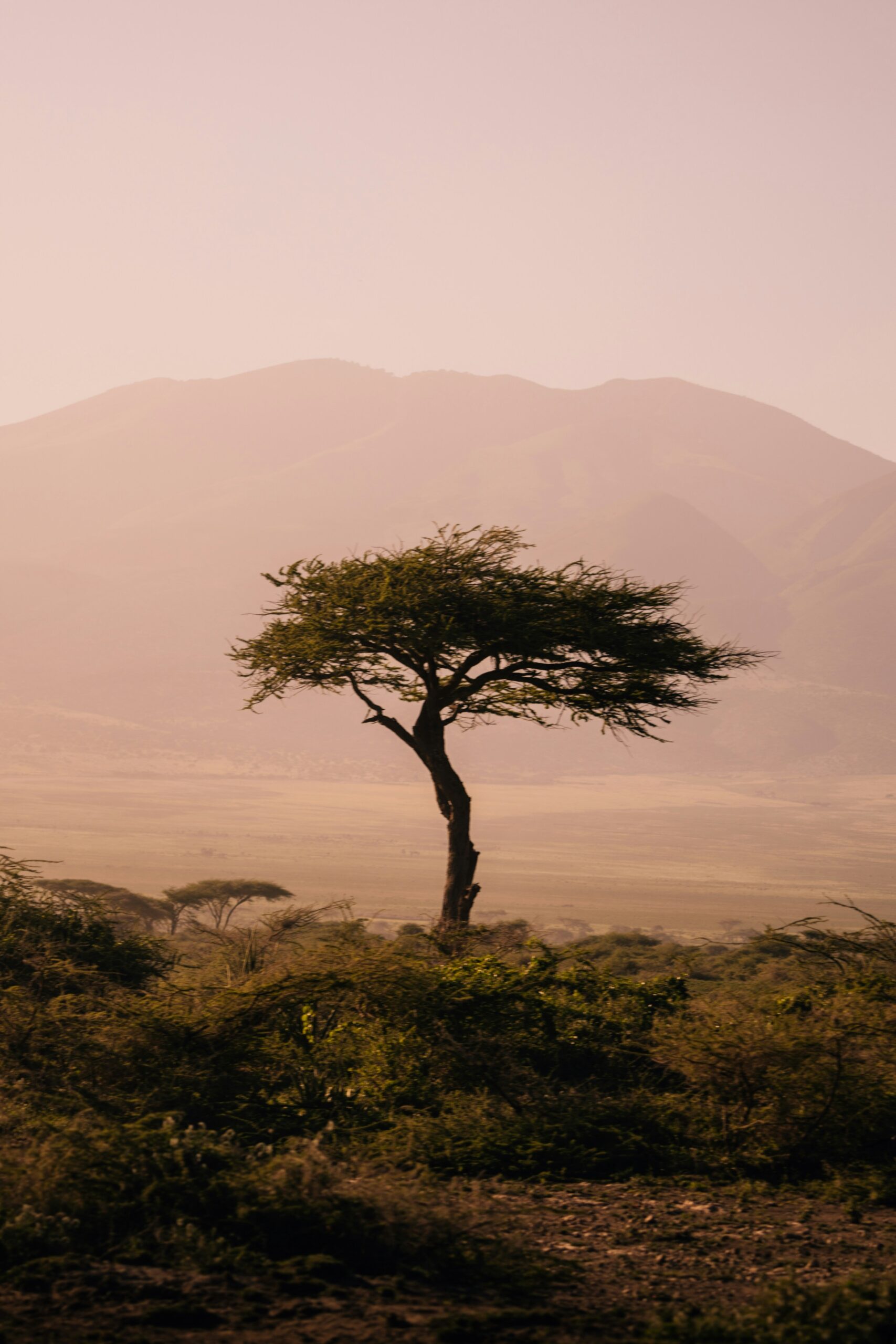
Nature Study Expeditions | Murchison Falls Park Safaris
Murchison Falls National Park stands as one of East Africa’s most dynamic natural laboratories. Beyond wildlife viewing, it offers structured opportunities for observation, analysis, and discovery through nature study Murchison programs. These expeditions transform a safari into an active process of inquiry, where landscapes, species, and ecosystems become subjects of real-time learning.
Through guided field research and immersive scientific expeditions, participants engage directly with the environment. Every ecosystem—from the Nile River to the savannah plains and forest patches—provides a platform for understanding biodiversity, ecological balance, and conservation challenges. This approach elevates a Murchison Falls park safari into a meaningful and knowledge-driven experience.
What Are Nature Study Expeditions
Nature study expeditions are structured programs that focus on observing and understanding natural environments. They combine guided exploration with data collection, analysis, and interpretation.
In nature study Murchison, participants actively engage with their surroundings. They document wildlife behavior, study plant systems, and examine environmental patterns. These scientific expeditions emphasize participation, ensuring that learning happens through direct experience rather than passive observation.
This format makes nature study expeditions ideal for students, researchers, and travelers seeking deeper engagement with the natural world.
Why Murchison Falls is Ideal for Nature Study
Murchison Falls offers a rare combination of ecosystems within a single protected area. The Nile River, open savannah, wetlands, and forested zones create diverse study environments.
This diversity supports a wide range of field research opportunities, from wildlife tracking to plant ecology and climate studies. The park’s accessibility and established infrastructure further enhance its suitability for scientific expeditions.
For participants, nature study Murchison provides a comprehensive and well-rounded learning environment.
Core Study Areas in Murchison Falls
Savannah Ecosystems
The savannah is the dominant landscape in Murchison Falls. It supports large mammals such as elephants, lions, giraffes, and buffalo.
Studying these ecosystems allows participants to understand predator-prey relationships, grazing patterns, and habitat use. These observations form a key part of nature study Murchison.
River and Wetland Systems
The Nile River and surrounding wetlands provide unique opportunities for field research. Participants study aquatic life, bird species, and water dynamics.
Boat-based observations highlight the role of the river in supporting biodiversity, making it central to scientific expeditions.
Forest Ecosystems
Forest areas such as Budongo and Rabongo offer insights into tropical ecosystems. These environments support primates, birds, and diverse plant life.
Studying forest systems adds depth to nature study Murchison, showing how different habitats coexist within the park.
Key Activities in Nature Study Expeditions
Guided Field Research Sessions
Field sessions form the backbone of scientific expeditions. Participants collect data, record observations, and analyze findings.
These sessions are guided by experts who provide context and ensure accuracy, making field research both structured and effective.
Wildlife Observation and Data Collection
Participants observe wildlife and record behavior, movement, and interactions. These observations contribute to understanding ecological systems.
This hands-on approach defines nature study Murchison, turning wildlife encounters into valuable data.
Plant and Habitat Studies
Studying vegetation helps participants understand ecosystem structure and function. Identifying plant species and their uses adds another dimension to the experience.
These activities highlight the interconnectedness of ecosystems, a key principle in scientific expeditions.
Birdwatching and Species Identification
Murchison Falls is home to hundreds of bird species. Birdwatching sessions focus on identification, behavior, and habitat.
This activity enhances field research, providing detailed insights into biodiversity.
Environmental Monitoring
Participants learn to measure environmental factors such as temperature, rainfall, and water quality.
These measurements contribute to broader scientific expeditions, linking local observations to global environmental trends.
Structure of Nature Study Expeditions
Nature study expeditions follow a structured format that balances fieldwork with analysis. Mornings are dedicated to observation and data collection, while afternoons focus on interpretation and discussion.
Evenings often include presentations and reflections, allowing participants to consolidate their learning. This structure ensures that nature study Murchison remains both engaging and academically valuable.
Tools and Techniques Used in Field Research
Participants use a range of tools to support their studies. Binoculars, GPS devices, field guides, and data sheets are commonly used during field research.
These tools help participants collect accurate data and develop practical skills, making scientific expeditions more effective.
Educational and Scientific Value
Nature study expeditions provide both educational and scientific benefits. Participants gain knowledge while contributing to research and conservation efforts.
The integration of theory and practice makes nature study Murchison a powerful learning experience. It bridges the gap between classroom learning and real-world application.
Combining Nature Study with Safari Experiences
Nature study expeditions can be integrated with traditional safari activities. Game drives and boat cruises provide additional opportunities for observation and data collection.
This combination creates a balanced itinerary that includes both exploration and learning, here to design a Murchison Falls park safari that includes scientific expeditions.
Best Time for Nature Study Expeditions
Nature study expeditions can be conducted year-round. Each season offers unique opportunities for observation.
Dry seasons provide easier access and better visibility, while wet seasons highlight vegetation growth and environmental changes. Planning ensures that field research aligns with study objectives.
Responsible Research Practices
Participants are encouraged to follow ethical guidelines during scientific expeditions. Respecting wildlife, minimizing disturbance, and following park regulations are essential.
Responsible behavior ensures that nature study Murchison remains sustainable and beneficial for conservation.
Interlinking Your Nature Study Safari
To maximize your experience, combine nature study expeditions with key activities such as chimpanzee tracking in Budongo Forest, Rabongo Forest walks, Nile boat cruises, and cultural visits.
Planning Your Nature Study Expedition
Planning is essential for a successful expedition. Defining objectives, selecting study areas, and organizing logistics ensures that your program meets expectations.
Working with experienced safari planners allows you to design customized nature study Murchison programs tailored to your interests.
Why Nature Study Expeditions Matter
Nature study expeditions deepen understanding of ecosystems and conservation. They provide practical knowledge and inspire a sense of responsibility toward the environment.
Through field research, participants contribute to a broader understanding of biodiversity and ecological systems.
Plan Your Safari
Discover the depth of nature study Murchison and engage in meaningful field research through immersive scientific expeditions. From wildlife observation to environmental analysis, every moment offers discovery.
Start planning your safari today with expert guidance and tailored itineraries, here and create a journey that blends science, exploration, and adventure.