
Renting a Satellite Phone for Remote Uganda Safari Areas
Planning an unforgettable Uganda safari means preparing for adventures deep into some of Africa’s most spectacular wilderness. Whether you are tracking rhinos at Ziwa Rhino Sanctuary, cruising along the Nile in Murchison Falls National Park, trekking chimpanzees in Budongo Forest, or embarking on an extended wildlife expedition through Uganda’s lesser-visited conservation areas, reliable communication becomes one of the most important aspects of your journey.
Although Uganda has experienced tremendous improvements in mobile network coverage over the past decade, many safari destinations remain beyond reliable cellular service. Vast sections of national parks, dense forests, mountainous regions, and isolated game tracks still have weak or completely unavailable mobile signals. This is where Renting a Satellite Phone for Remote Uganda Safari Areas becomes an invaluable investment in both safety and peace of mind.
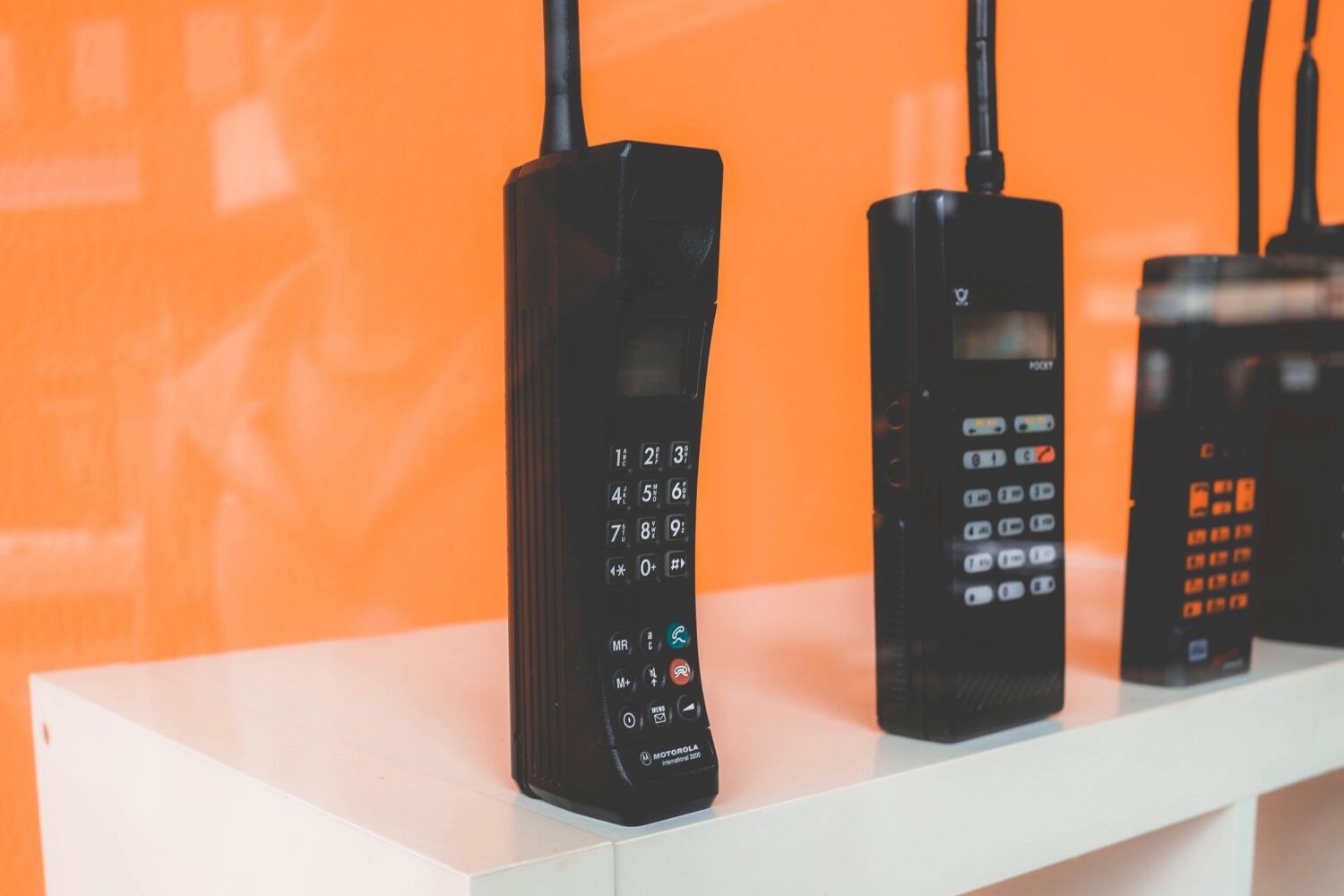
A satellite phone works independently of traditional mobile phone towers. Instead, it communicates directly with satellites orbiting the Earth, allowing users to make calls and send messages from almost anywhere, including areas where standard mobile networks fail. For photographers spending weeks in the bush, researchers working in conservation zones, documentary filmmakers, overland travelers, or families wanting an additional layer of security, renting a satellite phone offers dependable communication throughout the journey.
At Murchison Falls Park Safari, we believe that every safari should combine adventure with preparedness. Understanding when a satellite phone is useful, how it works, and whether you actually need one can help you make informed decisions before setting off into Uganda’s incredible wilderness.
Why Communication Matters During Remote Uganda Safaris
One of the reasons Uganda remains one of Africa’s premier safari destinations is because much of its wilderness is genuinely wild. National parks cover vast landscapes where human settlements are minimal and infrastructure is intentionally limited to preserve natural ecosystems.
Unlike urban areas where mobile towers are plentiful, remote safari routes often pass through valleys, forests, wetlands, escarpments, and protected habitats that have limited telecommunications infrastructure. Even where mobile coverage exists, the signal can fluctuate depending on weather, terrain, and distance from the nearest tower.
Imagine spending the day exploring the northern sectors of Murchison Falls National Park, searching for lions, elephants, giraffes, buffaloes, and leopards. While your safari vehicle is equipped with radio communication linking guides to park headquarters, your personal mobile phone may display “No Service” for hours.
This isn’t a problem during normal game drives because professional safari operators maintain communication systems. However, situations occasionally arise where independent communication becomes valuable, such as:
- Medical emergencies
- Vehicle breakdowns during self-drive safaris
- Severe weather conditions
- Family emergencies back home
- Flight schedule changes
- Urgent business communications
- Research expeditions
- Solo travelers requiring emergency backup
A satellite phone bridges these communication gaps regardless of cellular coverage.
Understanding How Satellite Phones Work
Unlike conventional smartphones that rely on terrestrial cell towers, satellite phones connect directly with communication satellites orbiting above the Earth.
This means that as long as the device has a relatively clear view of the sky, it can establish communication from places where ordinary phones become useless.
Modern satellite phones have become significantly smaller, lighter, and easier to operate compared to earlier generations. Most models feature:
- Voice calling
- SMS messaging
- GPS location functionality
- Emergency SOS buttons
- Long battery life
- Rugged weather-resistant construction
Several global satellite networks provide coverage across Uganda, making communication possible even in some of the country’s most isolated conservation areas.
Which Uganda Safari Areas Benefit Most from Satellite Phones?
While many visitors enjoy excellent mobile reception around Kampala, Entebbe, Masindi, Fort Portal, Kabale, Kisoro, and other major towns, network reliability decreases once you venture deeper into protected wilderness.
Murchison Falls National Park is among the destinations where carrying a satellite phone can provide added confidence. The park spans nearly 3,900 square kilometres, making it Uganda’s largest national park. Certain game viewing circuits, especially in the northern wildlife sector, may have intermittent mobile coverage.
Early morning game drives often take visitors several hours away from populated areas. Boat cruises on the Victoria Nile also move through regions where cellular signals can weaken.
Beyond Murchison Falls, satellite phones are especially useful during expeditions to:
- Kidepo Valley National Park
- Pian Upe Wildlife Reserve
- Karamoja region
- Semuliki National Park
- Remote sections of Queen Elizabeth National Park
- Rwenzori Mountains National Park
- Mount Elgon wilderness trails
- Large conservation research areas
- Long-distance overland expeditions
These destinations offer extraordinary wildlife experiences but may also include prolonged periods without dependable mobile service.
Do You Really Need a Satellite Phone?
Not every safari traveler requires one.
If you’re joining a professionally guided safari arranged through Murchison Falls Park Safari, your guide and safari vehicle are already equipped with communication systems used for emergencies and coordination with park authorities.
For most visitors spending three to seven days on a standard safari itinerary, a satellite phone is generally considered optional rather than essential.
However, renting one becomes increasingly worthwhile if your itinerary includes:
- Extended camping expeditions
- Self-drive safaris
- Scientific research
- Birdwatching in isolated wetlands
- Documentary filming
- Conservation projects
- Multi-country overland journeys
- Solo exploration with permitted guides
- Remote photography expeditions lasting several weeks
The decision ultimately depends on your comfort level, travel style, and communication needs.
Safety Advantages of Renting a Satellite Phone
Safety remains one of the strongest reasons travelers choose satellite phones.
Uganda is widely regarded as one of East Africa’s safest safari destinations, and professionally guided safaris rarely encounter serious incidents. Nevertheless, wilderness travel naturally carries some degree of unpredictability.
Mechanical issues can occur.
Unexpected flooding may affect roads.
Medical emergencies may require immediate communication.
Satellite phones allow direct contact with emergency support services, tour operators, embassy contacts, insurance providers, or family members regardless of local mobile coverage.
For travelers with pre-existing medical conditions or families accompanying elderly relatives, this additional communication capability often provides invaluable reassurance.
Satellite Phones During Gorilla Trekking Extensions
Many visitors combine Murchison Falls National Park with gorilla trekking in Bwindi Impenetrable National Park or Mgahinga Gorilla National Park.
Although accommodation facilities surrounding gorilla trekking areas generally have mobile reception or Wi-Fi, some forest sectors experience inconsistent network availability during trekking.
Professional Uganda Wildlife Authority rangers carry communication equipment, meaning visitors remain under well-managed supervision throughout gorilla trekking activities.
Still, photographers, filmmakers, researchers, or travelers staying in extremely remote eco-lodges sometimes choose to carry rented satellite phones for added convenience and emergency preparedness.
Business Travelers Combining Work and Safari
Modern safaris increasingly attract digital entrepreneurs, executives, journalists, and remote professionals who extend business trips with wildlife experiences.
Many hope to remain reachable during their safari.
While luxury lodges increasingly offer internet access, connections may be slow or temporarily unavailable due to weather or satellite bandwidth limitations.
A satellite phone offers an independent communication option for urgent voice calls when internet-based messaging services cannot be relied upon.
This flexibility allows professionals to disconnect from daily routines while still maintaining essential accessibility for critical matters.
Choosing the Right Satellite Phone
Not all satellite phones are identical.
The best rental choice depends on your itinerary, expected duration, destination, and communication requirements.
Important considerations include battery endurance, satellite network coverage across East Africa, handset durability, ease of operation, available accessories, charging options, GPS capability, and emergency SOS functions.
Some rental providers also include spare batteries, solar charging kits, vehicle chargers, waterproof cases, external antennas, and instructional guides to help first-time users operate the equipment confidently.
Before collecting the device, ensure you understand how to place international calls, send SMS messages, monitor battery levels, and activate emergency functions. Spending a few minutes familiarizing yourself with the handset can save valuable time if an urgent situation arises in the field.
One of the questions travelers frequently ask is how much it costs to rent a satellite phone for a Uganda safari. The price varies depending on the provider, the satellite network, the model of the handset, and the duration of the rental. Most rental companies charge a daily or weekly rental fee, while airtime is billed separately based on the number and length of calls made. International calls made via satellite networks are considerably more expensive than regular mobile calls, so travelers should reserve the device for important communication and emergencies rather than routine conversations. Despite the higher communication costs, many visitors consider the expense worthwhile because it provides reliable access to assistance when exploring some of Uganda’s most isolated wilderness areas. When compared with the overall investment of a safari holiday, especially one involving luxury accommodation, private transportation, or specialized activities, the additional cost of renting a satellite phone is relatively small while offering significant peace of mind.
Before traveling, it is advisable to arrange the rental through a reputable provider or ask your tour operator to organize the equipment on your behalf. This ensures that the phone is fully charged, tested, activated, and ready for immediate use upon arrival. Professional safari operators often have established relationships with communication equipment suppliers and can help clients obtain suitable devices without unnecessary complications. Travelers should also verify what is included in the rental package, such as charging accessories, protective carrying cases, spare batteries, instruction manuals, emergency contact numbers, and sufficient airtime credits for expected use. Understanding the rental agreement before departure helps avoid unexpected charges and ensures that the equipment is returned according to the provider’s requirements.
When using a satellite phone during a safari, it is important to understand that these devices perform best with a clear view of the sky. Dense forest canopies, steep cliffs, caves, and enclosed buildings may temporarily reduce signal quality. In Uganda, this means that communication may occasionally require moving to an open area, a hilltop, or a clearing to establish the strongest possible connection. Fortunately, many safari activities, including game drives, boat cruises, and scenic viewpoints, naturally provide open environments where satellite phones function exceptionally well.
Battery management is another critical aspect of successful satellite phone use. Unlike smartphones that can often be recharged multiple times each day, satellite phones should be used conservatively to preserve battery life. Travelers embarking on extended expeditions should carry vehicle charging cables, portable power stations, or solar charging equipment whenever possible. Switching the phone off when it is not needed can significantly extend battery performance, ensuring that it remains available during genuine emergencies. It is also advisable to perform a test call before leaving major towns to confirm that the device is functioning correctly and that users are familiar with its operation.
Many visitors wonder whether a satellite phone replaces the communication systems already used by professional safari companies. The answer is no. Reputable tour operators such as Murchison Falls Park Safari equip their safari vehicles with communication equipment that enables guides to maintain contact with park headquarters, fellow guides, and emergency services. This established communication network is one of the reasons guided safaris in Uganda are considered both safe and professionally managed. A rented satellite phone should therefore be viewed as an additional personal communication tool rather than a substitute for the guide’s communication systems. It offers travelers the convenience of independently contacting family members, travel insurers, business associates, or emergency services whenever necessary.
Travel insurance providers increasingly recommend that adventure travelers visiting remote destinations maintain reliable emergency communication whenever practical. Although carrying a satellite phone may not be mandatory for most Uganda safaris, having one available demonstrates responsible trip preparation, particularly for travelers undertaking specialized expeditions or remote camping experiences. Some insurance policies even encourage the use of satellite communication devices for expeditions into isolated regions where traditional mobile coverage cannot be guaranteed. Before departure, travelers should review their travel insurance policy to understand emergency assistance procedures and record all relevant contact numbers in both the satellite phone and a printed travel document.
Another significant advantage of renting a satellite phone is the reassurance it provides to family members back home. Many travelers spend several days exploring national parks without internet access or reliable mobile service, which can naturally cause concern among loved ones. A brief satellite phone call or text message confirming that everything is going well can offer enormous peace of mind. This is especially valuable for solo travelers, elderly visitors, photographers spending extended periods in the wilderness, researchers working in conservation areas, and documentary film crews operating far from established tourism infrastructure.
Uganda’s spectacular biodiversity often encourages visitors to venture beyond the country’s most famous attractions. While Murchison Falls National Park remains one of East Africa’s finest safari destinations, adventurous travelers may also explore lesser-known protected areas such as Kidepo Valley National Park, Semuliki National Park, Toro-Semliki Wildlife Reserve, Ajai Wildlife Reserve, Karamoja’s remote landscapes, and community conservation projects situated far from urban centers. These destinations reward visitors with exceptional wildlife encounters, breathtaking scenery, and authentic cultural experiences, but they also remind travelers that true wilderness still exists. In such environments, dependable communication becomes an important component of responsible travel planning.
Satellite phones also prove valuable for professional wildlife photographers and filmmakers who frequently work according to unpredictable wildlife movements rather than fixed schedules. Capturing a pride of lions on the hunt, documenting elephants crossing the Nile, or waiting for elusive shoebill storks may require remaining in isolated locations for extended periods. Reliable communication allows production teams to coordinate logistics, update support crews, and respond efficiently to changing circumstances without depending on inconsistent mobile networks.
Researchers and conservationists represent another group that regularly benefits from satellite communication. Uganda hosts numerous scientific studies involving primates, birds, carnivores, wetlands, and ecosystems spread across protected areas where conventional telecommunications remain limited. Field researchers often spend weeks collecting data in remote locations, making satellite phones an essential safety tool for reporting emergencies, coordinating supply deliveries, and maintaining regular contact with project headquarters. Although most tourists will never require such extensive communication capabilities, understanding these practical applications illustrates why satellite technology continues to play an important role in wilderness travel.
Travelers should also familiarize themselves with good communication etiquette while using satellite phones. Because satellite airtime is considerably more expensive than conventional mobile calls, conversations should remain concise whenever possible. Important phone numbers should be saved before departure, and family members should understand that routine daily calls may not be practical. Establishing predetermined communication schedules can help reduce unnecessary costs while ensuring that everyone remains informed about the traveler’s wellbeing.
For visitors planning a Uganda safari, communication preparation should be considered alongside other essential travel arrangements such as securing park permits, booking accommodation, arranging transportation, obtaining travel insurance, and packing appropriate safari clothing. While many travelers focus primarily on binoculars, cameras, hiking boots, and wildlife checklists, dependable communication deserves equal consideration, particularly for itineraries extending into Uganda’s more remote conservation areas. Thoughtful preparation allows travelers to fully immerse themselves in the remarkable experiences Uganda offers without unnecessary concern about remaining connected when it matters most.
At Murchison Falls Park Safari, we work closely with travelers from around the world to create memorable, safe, and professionally organized safari experiences. Our experienced guides understand the communication challenges associated with remote wilderness travel and plan every itinerary with guest safety as a top priority. Whether you are booking a short wildlife safari, a birdwatching expedition, a photography tour, a family holiday, or a multi-park adventure across Uganda, our team can advise whether renting a satellite phone would provide additional value based on your specific itinerary. We believe that every traveler deserves both extraordinary wildlife encounters and the confidence that comes from knowing reliable support is always within reach.
Choosing whether to rent a satellite phone ultimately depends on your travel style, destinations, and personal preferences. For many visitors enjoying standard guided safaris, existing guide communication systems will be entirely sufficient. However, travelers seeking maximum independence, extended wilderness exploration, professional fieldwork, or additional reassurance will often find that Renting a Satellite Phone for Remote Uganda Safari Areas is a practical investment that enhances safety, flexibility, and peace of mind. As Uganda continues to attract adventure travelers from across the globe, thoughtful preparation remains one of the best ways to ensure that every safari is remembered for extraordinary wildlife encounters rather than avoidable communication challenges.
Your safari adventure deserves careful planning from beginning to end. Whether you are dreaming of witnessing the mighty Murchison Falls, enjoying a boat cruise along the Victoria Nile, searching for the Big Five, tracking chimpanzees in Budongo Forest, or combining your wildlife safari with gorilla trekking in southwestern Uganda, the experienced team at Murchison Falls Park Safari is ready to help you create a personalized itinerary that matches your interests, budget, and travel goals. Contact us today to begin planning your unforgettable Uganda safari, receive expert travel advice, and discover why Uganda is known as the Pearl of Africa.