

Uganda Safari Packing List: What to Bring
A safari in Uganda feels different from any other wildlife journey in Africa. You move through savannah plains, dense forests, riverbanks, and high-altitude landscapes within a single itinerary. Murchison Falls National Park often becomes the highlight, where the Nile crashes through a narrow gorge and wildlife gathers along the river. Packing correctly shapes how comfortable, safe, and enjoyable your experience becomes.
This guide explains a complete Uganda Safari Packing List: What to Bring, with practical advice tailored for game drives, boat cruises, and forest excursions. It also highlights Uganda safari packing essentials so you travel prepared for changing weather, remote lodges, and long safari days.
Overview of Uganda Safari Packing Essentials
Uganda safaris require practical packing rather than heavy luggage. Travelers move between lodges, national parks, and airports, often on small aircraft or long road transfers. Lightweight, functional items matter more than excess clothing or formal wear.
The idea behind Uganda safari packing essentials is simple: pack for changing conditions, wildlife encounters, and long outdoor hours. Mornings can feel cold, afternoons turn hot, and evenings often bring rain depending on the season. Murchison Falls National Park also includes river-based activities where moisture, dust, and sunlight affect comfort.
Most travelers underestimate how varied Uganda’s safari environments feel. A single day may include a morning game drive in open savannah, a boat cruise along the Nile, and an evening relaxation at a lodge overlooking the park. Each setting demands flexible clothing and reliable gear.
Packing well reduces stress, improves mobility, and helps you focus on wildlife instead of discomfort. It also supports smoother transitions between safari activities arranged by Murchison Falls Park Safari.
Clothing for Uganda Safari Comfort and Practical Movement
Clothing defines comfort on safari more than any other factor. Uganda’s climate shifts quickly, especially in national parks like Murchison Falls where river humidity meets dry savannah air. Lightweight, breathable, and neutral-colored clothing works best.
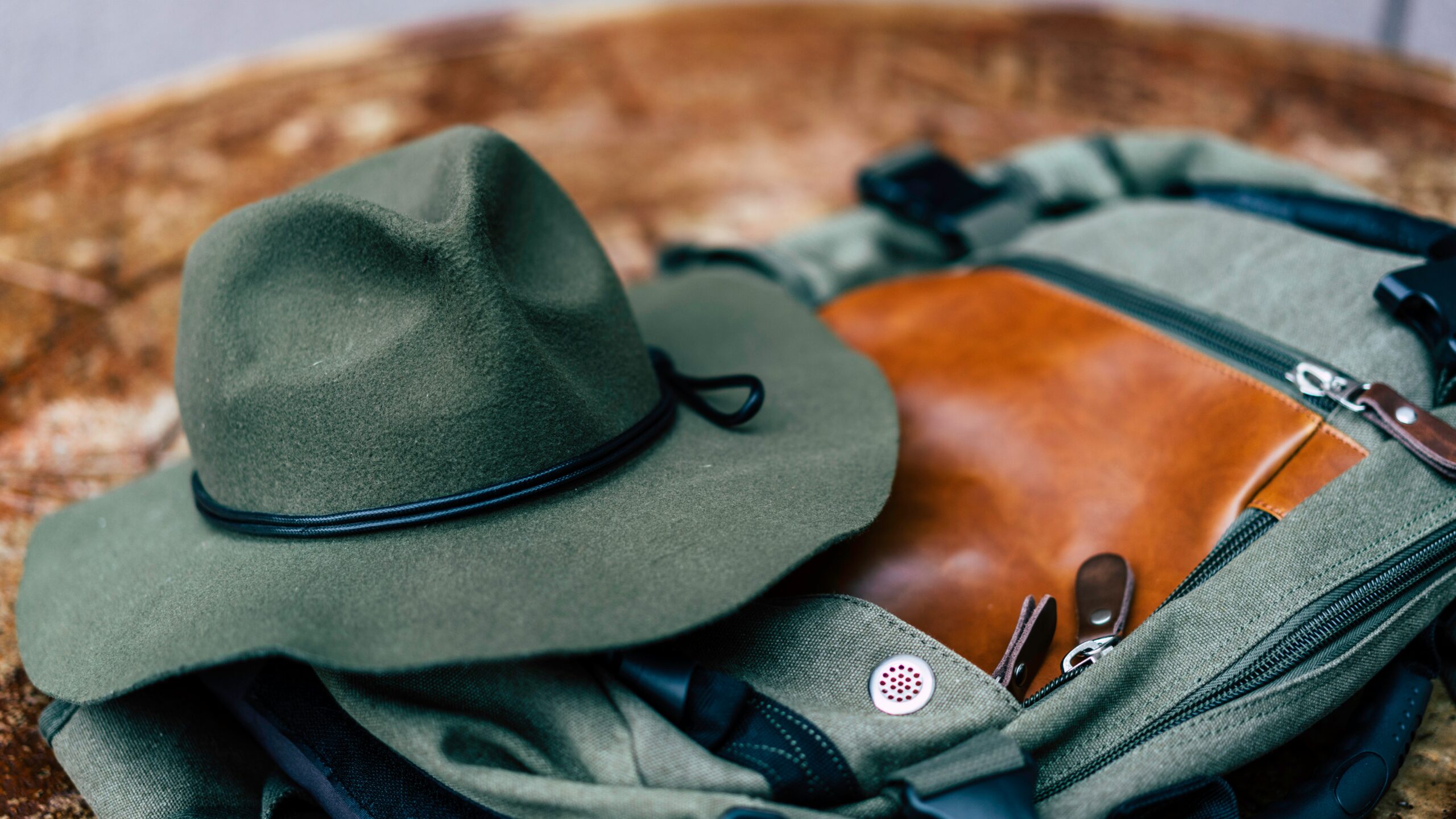
Start with neutral tones such as khaki, olive, beige, and light brown. These colors blend into the environment and reduce attraction to insects. Bright colors and dark blacks often stand out too much or absorb heat.
Long-sleeved shirts and long trousers form the core of Uganda safari packing essentials. They protect against sun exposure, insect bites, and vegetation scratches during bush walks. Even in warm weather, lightweight long clothing performs better than short sleeves in safari environments.
Layering also matters. Early morning game drives often feel cold, especially in open safari vehicles. A fleece or light jacket helps regulate temperature. As the day warms, layers can be removed easily.
Comfortable walking shoes or lightweight hiking boots work best for forest walks or lodge surroundings. Open sandals fit well for evenings but do not suit game drives or bush activities.
Laundry services are available at most lodges in Murchison Falls National Park, so travelers do not need excessive clothing. A well-planned, compact wardrobe performs better than a heavy suitcase.
Safari Gear and Wildlife Viewing Equipment
Safari gear enhances wildlife viewing and improves your overall experience in Uganda’s national parks. Murchison Falls offers open landscapes where animals often appear at a distance, especially during game drives.
Binoculars stand out as one of the most important Uganda safari packing essentials. They allow clear viewing of elephants crossing the savannah, lions resting under acacia trees, and birds perched along the Nile. A mid-range 8×42 binocular works well for most travelers.
A good camera also adds value to the safari experience. DSLR or mirrorless cameras perform best, but even modern smartphones capture strong wildlife images in good light. A zoom lens improves distance shots without disturbing animals.
A lightweight daypack helps carry essentials during game drives and boat cruises. It should include water, sunscreen, insect repellent, and personal items. Waterproof protection becomes useful during sudden rain showers or river spray near Murchison Falls.
A reusable water bottle supports hydration during long safari days. Uganda’s warm climate increases fluid loss, especially during mid-day game drives.
A small flashlight or headlamp helps at night inside camps or lodges where paths may not be fully lit.
These safari tools improve comfort and visibility while keeping your focus on wildlife instead of logistical challenges.
Health, Safety, and Personal Care Items
Health preparation plays a key role in safari comfort. Uganda involves outdoor exposure, tropical climate conditions, and long travel hours, so personal care items become essential.
Sunscreen ranks high among Uganda safari packing essentials. The equatorial sun in Uganda feels strong even on cloudy days. A high SPF sunscreen protects skin during game drives and boat cruises on the Nile.
Insect repellent also matters, especially in areas near rivers and forest edges. Murchison Falls National Park has mosquito activity during evening hours, so protection reduces discomfort and health risks.
A basic personal medical kit helps manage minor issues. It may include pain relievers, antihistamines, antiseptic wipes, and motion sickness tablets for boat cruises.
Hand sanitizer and wet wipes provide hygiene support during long road transfers or remote park visits. Some safari areas do not offer frequent wash stations during activities.
Prescription medication should remain in original packaging with clear labels. Travelers should carry enough supply for the full trip duration.
Travel insurance also plays a crucial role in safari safety. It covers unexpected medical situations, travel delays, or evacuation needs.
Health preparation ensures smooth movement through Uganda’s safari environments without interruptions.
Documents, Money, and Travel Essentials
Safari travel requires proper documentation and financial preparation. Uganda maintains structured entry requirements, and parks like Murchison Falls operate with regulated permits and fees.
A valid passport remains the most important travel document. It must have at least six months validity beyond the travel date. A printed visa approval or East Africa Tourist Visa confirmation also forms part of entry requirements.
Travel insurance documents should remain accessible during the entire trip. Some lodges or operators may request proof in case of emergencies.
Cash and cards both play a role in Uganda safari travel. US dollars remain widely accepted for tourism services, but small denominations work better for tips and local purchases. ATMs exist in major towns but remain limited near national parks.
A secure money pouch or travel wallet helps organize documents and reduce loss risks during transfers.
Printed copies of itineraries also help during lodge check-ins and park entry procedures.
These items form part of Uganda safari packing essentials because they directly support smooth logistics and movement between destinations.
Technology and Connectivity on Uganda Safari
Uganda safari travel includes remote regions where connectivity may vary. Murchison Falls National Park offers mobile network coverage in some areas, but signal strength changes depending on location.
A smartphone remains essential for communication, navigation, and photography. Many travelers rely on mobile data instead of Wi-Fi in remote areas.
A portable power bank helps maintain device charge during long game drives. Charging points exist in lodges, but safari days often last many hours away from electricity access.
A universal travel adapter supports different plug types used in Uganda. This ensures cameras, phones, and other devices remain functional throughout the trip.
Offline maps and downloaded travel guides help during road transfers where internet access may weaken.
Technology enhances safari convenience but should remain secondary to the wildlife experience.
Seasonal Packing Differences for Uganda Safaris
Uganda’s climate includes dry and wet seasons, and each season influences what travelers should pack. Murchison Falls National Park remains accessible year-round, but conditions change.
During dry seasons, dust becomes more common on game drive tracks. Light scarves or buffs help protect the face. Temperatures rise during midday, so breathable clothing becomes more important.
During wet seasons, rain jackets and waterproof gear become part of Uganda safari packing essentials. Rain often arrives in short bursts, especially in the afternoons. Waterproof bags protect electronics and documents during these periods.
Shoes should also adapt to conditions. Dry seasons allow lighter footwear, while wet seasons require stronger grip and water resistance.
Wildlife viewing remains strong throughout the year, but packing flexibility ensures comfort regardless of season.
Packing for Murchison Falls National Park Experience
Murchison Falls National Park creates a unique safari environment where river, savannah, and forest ecosystems meet. Packing for this destination requires attention to both land and water activities.
Boat cruises along the Nile require light wind protection, especially near the base of the falls where spray increases humidity. Game drives require sun protection and dust management. Lodge stays require comfortable evening wear for relaxation.
Binoculars, cameras, and layered clothing remain essential Uganda safari packing essentials for this park specifically. The combination of landscapes makes adaptability the key to comfort.
Travelers often underestimate how dynamic the park feels. A morning at the top of the falls feels different from an afternoon on the river or an evening game drive in the savannah. Proper packing ensures smooth movement across all experiences.