

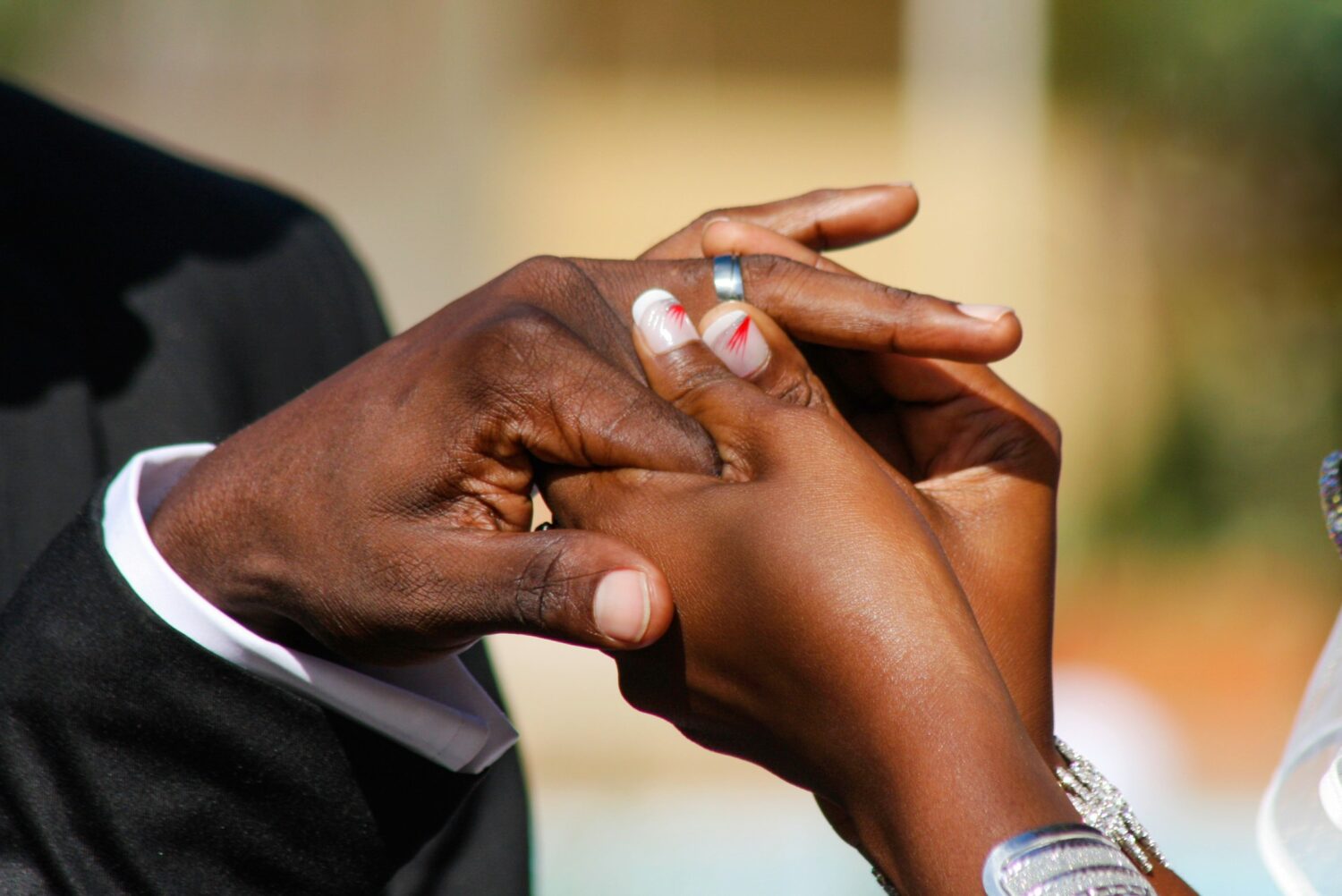
Ugandan Wedding Traditions: What Visitors Might Witness on Safari
A Uganda safari is built around wildlife, and understandably so, since few places on earth offer the combination of tree-climbing lions, thundering waterfalls, and mountain gorillas that Uganda does within a single itinerary. But travelers who spend any real time on the roads between parks, in Kampala’s neighborhoods, or chatting with guides over a shared meal often come away with an unexpected highlight that has nothing to do with animals at all: a glimpse, even a passing one, into Ugandan wedding traditions. Convoys of decorated cars honking their way through town, groups dressed head to toe in vivid traditional attire gathered outside a homestead, drumming carrying across a compound on a Saturday afternoon, these are common sights across Uganda, particularly on weekends, and they offer a window into one of the richest and most elaborate cultural practices in the country. This guide explains what visitors might actually witness, what it means, and how to engage with it respectfully if the opportunity arises.
Why Weddings Are So Visible in Everyday Uganda
 Unlike in many Western countries, where a wedding is a single, contained event on a single day, a Ugandan marriage typically unfolds across several distinct ceremonies, spread over weeks or months, each with its own significance, its own guest list, and often its own outfit. This is one of the main reasons travelers encounter wedding-related activity so often during a Uganda trip, even outside the actual wedding season: what looks like one wedding to a passing visitor is often just one stage of a much longer process, and different stages happen on different weekends throughout the year. Saturdays in particular tend to be the busiest day for these ceremonies across the country, and travelers driving between Kampala and Murchison Falls, or spending a weekend in the capital before or after their safari, have a reasonably good chance of passing a wedding convoy, hearing music from a compound celebration, or seeing guests dressed in striking traditional clothing making their way to an event.
The Kwanjula: Uganda’s Central Wedding Tradition
If there is one ceremony worth understanding above all others, it is the kwanjula, the traditional introduction ceremony practiced by the Baganda, Uganda’s largest ethnic group, centered in and around Kampala and the historic Buganda Kingdom. The word itself means roughly “to introduce,” and the ceremony is exactly that: a formal, elaborate event in which the groom’s family and delegation travel to the bride’s family home to be officially introduced, to present gifts, and to negotiate what is known as the bride price, traditionally paid in cattle and now more commonly a mix of cash, livestock, and symbolic gifts agreed upon in advance between the two families.
The kwanjula is not a minor precursor to a wedding, and travelers should understand that many Ugandan couples consider it the true marriage ceremony in a cultural and community sense, with any subsequent church or civil ceremony treated as an additional, often religious, formality layered on top. Even couples who met at university, at work, or online in modern Uganda still go through a full kwanjula, since a marriage without this formal introduction is widely considered incomplete regardless of how contemporary the couple’s relationship otherwise is.
The ceremony itself is a genuinely spectacular occasion, and this is where travelers who happen to catch a glimpse of one, even from a distance, often find themselves fascinated. The groom’s delegation arrives at the bride’s family compound in a lively, sometimes musical procession, often preceded by a spokesperson, known as an omwogezi, whose role is to formally speak on behalf of the visiting family throughout the day’s proceedings, since direct conversation between the families follows a structured, almost theatrical protocol rather than casual speech. Gifts are carried in and presented, traditionally including items like local brew, a live goat or chicken, and other symbolic offerings, alongside the negotiated bride price itself. Guests on both sides are dressed in Buganda’s iconic traditional attire, with women wearing the gomesi, a vividly colored, floor-length dress with distinctive puffed shoulders, and men wearing the kanzu, a long white or cream tunic often paired with a formal jacket. The bride herself typically appears in several different outfits throughout the day, each change carrying its own symbolic meaning tied to different stages of the ceremony.
Music and dance run through the entire event, with live drumming and traditional performance groups a near-universal feature, and it is common to see guests of every age, from small children to grandparents, drawn into the dancing at some point during the celebration. For a traveler catching even a brief glimpse of this from the roadside, the sheer color, sound, and energy of a kwanjula in progress is often unlike anything else witnessed during a Uganda trip.
Wedding Traditions Beyond the Baganda
While the kwanjula is the best-known introduction ceremony, largely because the Baganda are Uganda’s largest ethnic group and their traditions are widely practiced and referenced across the country, Uganda’s more than fifty ethnic groups each maintain their own distinct marriage customs, and travelers venturing beyond central Uganda may encounter quite different practices. Among the Banyankole people of western Uganda, cattle hold central symbolic and practical importance in marriage negotiations, reflecting the region’s historically pastoralist heritage, and a respected go-between, traditionally called the katerarume, manages communication and negotiation between the two families throughout the process. Among northern Ugandan communities, bride price negotiations, referred to in some traditions as luk, similarly often center on cattle and livestock, with the groom’s family expected to provide an agreed number of animals as part of the formal marriage process. The Basoga and Bakiga peoples maintain their own versions of the introduction ceremony as well, called by different names but sharing the same essential structure and purpose as the Baganda kwanjula.
This diversity is worth appreciating on its own terms rather than treating the kwanjula as representative of the entire country, and travelers moving through different regions of Uganda, whether toward Murchison Falls in the northwest, Kidepo Valley in the far northeast, or Bwindi in the southwest for gorilla trekking, are technically passing through the territories of several distinct cultural traditions, each with its own version of these ceremonies, even if the underlying values of family, community, and formal introduction remain broadly consistent across them.
What a Visitor Might Actually See
Most travelers will not attend a wedding ceremony directly, since kwanjula events and their regional equivalents are private family occasions requiring a specific invitation, and it would be inappropriate to attempt to join one uninvited, however visible or public the celebration might appear from a passing vehicle. What travelers are far more likely to witness is the surrounding activity: a convoy of decorated vehicles, often with ribbons or flowers attached and horns sounding cheerfully, moving through Kampala or a smaller town toward a ceremony venue; groups of guests in striking gomesi and kanzu attire walking or being dropped off at a compound; music and drumming audible from the road; or a colorful tented setup visible in a family’s yard, a common sight on Ugandan Saturdays throughout much of the year, particularly during the dry seasons when outdoor ceremonies are easiest to host.
Travelers staying in Kampala, whether before or after their Murchison Falls itinerary, are especially likely to notice this kind of wedding activity given the sheer number of ceremonies happening across the city on any given weekend. Drivers and guides accompanying travelers on the road journey north to Murchison Falls will also frequently point out or comment on wedding convoys and celebrations passed along the way, and this is often a natural, welcome opportunity to ask questions and learn more directly from someone with firsthand cultural knowledge, rather than simply observing from a distance without context.
How to Respond If You Witness One
If a wedding celebration is visible during a drive or a stop in town, the most respectful response is simple observation and, if appropriate, a warm acknowledgment rather than an attempt to approach, photograph closely, or insert oneself into the event. Ugandans are, as a general cultural trait, warm and welcoming toward genuine curiosity, and asking a guide or driver about what is happening, what ceremony it might be, or what the different traditional outfits signify is almost always received well and often leads to a rich, informal cultural conversation that adds real texture to a trip. Photography from a respectful distance, particularly of a public procession or convoy rather than the private ceremony itself, is generally acceptable, though asking a guide for guidance in the moment is the safest approach, since norms can vary by region and by the specific nature of the event witnessed.
It is worth noting that some cultural tour operators and lodges, particularly those with strong community relationships, occasionally arrange access to cultural demonstrations or performances that recreate elements of a traditional wedding, including the attire, the music, and aspects of the ceremony itself, specifically for interested visitors. This offers a respectful, structured way to engage more deeply with these traditions without intruding on an actual family’s private celebration, and travelers with a genuine interest in this side of Ugandan culture should feel free to ask their operator whether anything of this kind can be arranged as part of a broader itinerary.
Wedding Season and When You Are Most Likely to See One
Wedding celebrations happen throughout the year across Uganda, but they cluster noticeably during the dry seasons, roughly December through February and June through September, when outdoor venues and travel for guests are easiest to manage, and these periods overlap significantly with Uganda’s peak safari season as well. Travelers visiting Murchison Falls or combining their safari with time in Kampala during these months have a meaningfully higher chance of encountering wedding-related activity than those visiting during the wetter months, simply due to the volume of ceremonies typically scheduled during the more favorable weather.
Saturdays remain, across essentially all regions and ethnic traditions, the most common day for these ceremonies, so travelers with some flexibility in their Kampala itinerary who are curious about this aspect of Ugandan culture might simply keep an eye out during weekend travel through the city or smaller towns along the route north.
Connecting This to the Rest of Your Trip
Cultural moments like this tend to layer naturally onto other parts of a well-planned Uganda itinerary, particularly for travelers who have already taken an interest in the country’s language and customs more broadly. If wedding traditions have caught your attention, our guide to Luganda proverbs and sayings every Uganda traveler should know pairs naturally with this topic, since many of the sayings covered there touch directly on themes of family, community, and kinship that run through Ugandan marriage customs as well. Travelers planning time in Kampala before or after their Murchison Falls safari, whether to explore markets, cultural sites, or simply take in the city’s energy over a weekend, may also find our guide on appropriate dress and etiquette in Uganda’s cities useful, since the same modest, respectful approach to dress recommended for everyday city settings applies equally, if not more so, around any wedding-related gathering a traveler might pass or briefly observe.
For travelers driving the long stretch of road between Kampala and Murchison Falls rather than flying, these cultural moments, wedding convoys, roadside celebrations, and conversations with a driver-guide about local customs, are often cited as one of the genuine, unplanned rewards of choosing the road over a flight. Our detailed look at fly-in versus road safari options for reaching Murchison Falls covers this trade-off in full, including exactly this kind of cultural texture that a longer overland journey tends to offer over a short flight.
A Small Window Into a Much Larger Culture
Ugandan wedding traditions, and the kwanjula in particular, represent far more than a colorful spectacle glimpsed from a car window, though even that brief glimpse offers genuine insight into values that run throughout Ugandan life more broadly: the importance of family and community, the weight given to formal respect and proper process, and a deep, visible pride in cultural dress, music, and celebration. Travelers who arrive with even a little awareness of what they might be seeing, and who approach it with curiosity rather than mere observation, tend to come away with a fuller, more human picture of the country they have traveled so far to experience, one that sits comfortably alongside the wildlife encounters and dramatic landscapes a Uganda safari is built around.
If you would like to build a Uganda itinerary that makes room for this kind of cultural discovery alongside your time at Murchison Falls, our team is glad to help design a trip that balances both. Reach out and let us help you plan a safari that connects you to Uganda’s wildlife, its landscapes, and its people.