Wildlife Photography Workshops in Uganda for International Visitors
Uganda has become one of Africa’s most rewarding destinations for photographers seeking authentic wildlife experiences. While many travelers visit the country for its famous mountain gorillas, Uganda also offers remarkable opportunities to photograph lions climbing fig trees, elephants wandering through vast savannahs, shoebill storks standing motionless in wetlands, chimpanzees swinging through tropical forests, and the mighty Nile River as it crashes through the spectacular Murchison Falls. These extraordinary landscapes and diverse wildlife have made Wildlife Photography Workshops in Uganda increasingly popular among international visitors who want more than an ordinary safari.
Unlike traditional game drives that primarily focus on sightseeing, wildlife photography workshops combine expert photographic guidance with professionally designed safari experiences. Participants receive hands-on instruction while exploring some of Africa’s most beautiful national parks. Whether you are using a professional DSLR camera, a mirrorless system, or even an advanced bridge camera, Uganda provides countless opportunities to improve your photography skills while creating unforgettable memories.
The country’s remarkable biodiversity is one of the main reasons photographers travel from Europe, North America, Asia, Australia, and the Middle East to join these specialized workshops. Uganda hosts more than half of the world’s remaining mountain gorillas, over 1,000 bird species, numerous primates, and an impressive variety of mammals spread across dramatically different ecosystems. Every destination presents unique photographic opportunities, allowing visitors to return home with an extraordinary portfolio of wildlife images.
Why Uganda Is a Dream Destination for Wildlife Photography
Few African countries combine such a wide range of photographic subjects within relatively short travel distances. Uganda’s compact geography allows photographers to move from tropical rainforests to open grasslands, wetlands, crater lakes, mountains, and river systems within a single itinerary. This diversity creates exceptional opportunities to capture completely different styles of wildlife photography during one safari.
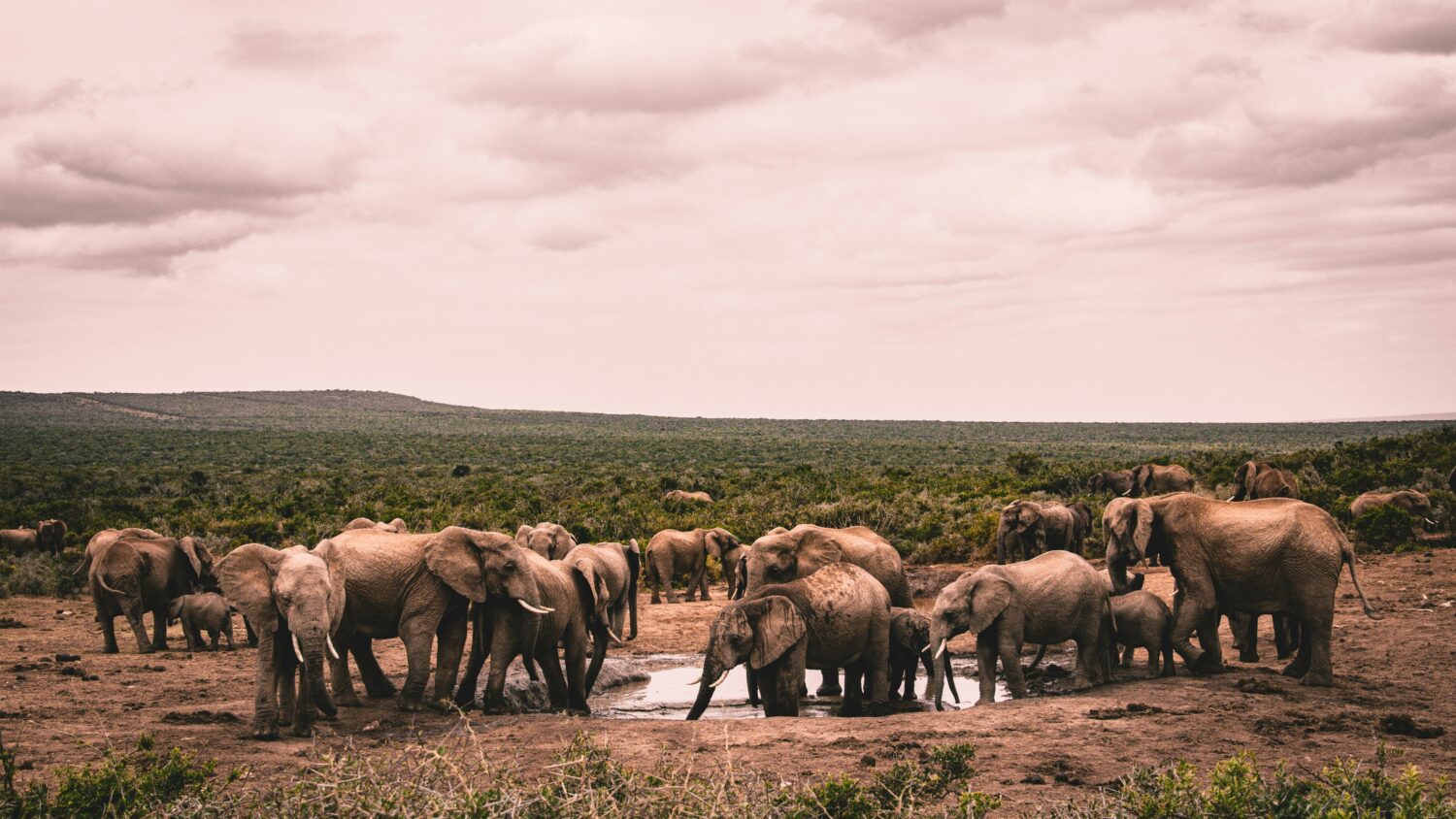
The changing landscapes also produce fascinating variations in lighting conditions. Morning mist drifting across forest canopies creates atmospheric images during gorilla trekking, while the golden light of sunrise transforms the vast savannahs of Murchison Falls National Park into spectacular settings for photographing elephants, giraffes, buffaloes, and antelopes. Afternoon boat cruises along the Nile provide dramatic reflections and close-up perspectives of hippos, crocodiles, and aquatic birds, while evening game drives reveal predators becoming active as temperatures cool.
Another reason photographers choose Uganda is the relatively low visitor density compared to several other African safari destinations. Vehicles often spend longer observing wildlife without competing for space, allowing photographers to wait patiently for the perfect composition or behavior. This relaxed pace is especially valuable during professional workshops, where instructors encourage participants to understand animal movements, anticipate action, and experiment with different camera settings rather than rushing from one sighting to another.
What Makes Wildlife Photography Workshops Different from Regular Safaris?
A wildlife photography workshop is designed specifically for photographers rather than general tourists. The daily schedule revolves around light, wildlife activity, and photographic opportunities instead of simply checking attractions off an itinerary. Early morning departures coincide with the soft golden light that photographers often describe as the “golden hour,” while evening excursions continue until sunset when dramatic colors enhance landscapes and wildlife portraits.
Professional photography guides also provide continuous coaching throughout the safari. Instead of only identifying wildlife, they explain how to position yourself for better lighting, adjust camera settings for moving animals, compose stronger images, and use natural elements creatively. Many workshops include image reviews each evening, allowing participants to learn from their photographs and improve throughout the journey.
International visitors often appreciate that these workshops cater to all experience levels. Beginners receive practical guidance on shutter speed, aperture, autofocus modes, and exposure, while experienced photographers benefit from advanced discussions on storytelling, wildlife behavior, creative composition, and post-processing techniques. The result is an educational experience that continues long after returning home.
Murchison Falls National Park: Uganda’s Premier Photography Destination
Among all Uganda’s protected areas, Murchison Falls National Park stands out as one of the country’s finest locations for wildlife photography. Covering more than 3,800 square kilometers, it offers an exceptional combination of open grasslands, riverine forests, woodland habitats, and the legendary River Nile.
Photographers visiting the park quickly discover its remarkable variety of subjects. Herds of Rothschild’s giraffes move gracefully across the plains, elephants feed quietly beneath acacia trees, and lions rest in the shade while scanning for prey. Uganda kobs, hartebeests, waterbucks, and oribis create constant photographic opportunities throughout the day, attracting predators that often produce exciting action photography.
One of the park’s defining highlights is the Nile boat safari. Unlike traditional game drives, the boat brings photographers remarkably close to wildlife without disturbing natural behavior. Massive crocodiles bask along the riverbanks, pods of hippos emerge from the water, elephants drink peacefully at the shoreline, and hundreds of birds line the vegetation surrounding the river. As the boat approaches the base of Murchison Falls, photographers witness one of Africa’s most powerful natural spectacles as the Nile squeezes through a narrow seven-meter gorge before plunging dramatically downstream in a cloud of mist.
This extraordinary combination of wildlife, landscapes, and dramatic scenery explains why many international photography workshops choose Murchison Falls National Park as their primary destination.
Capturing Uganda’s Extraordinary Birdlife
Uganda is widely recognized as one of Africa’s greatest birdwatching destinations, making it equally attractive for bird photographers. More than half of Africa’s bird species occur within the country, ranging from tiny sunbirds to majestic raptors and rare wetland specialists.
For many photographers, the legendary shoebill stork represents the ultimate prize. This prehistoric-looking bird inhabits wetlands such as Mabamba Swamp, where patient visitors often enjoy close encounters from small boats. Photographing a shoebill in soft morning light is considered one of Africa’s most memorable wildlife photography experiences.
Other remarkable photographic subjects include African fish eagles, kingfishers, bee-eaters, hornbills, turacos, crowned cranes, saddle-billed storks, pelicans, herons, and numerous species of owls. Bird photography workshops emphasize patience, careful observation, and understanding avian behavior to maximize photographic success.
Professional guides also teach participants how to select appropriate shutter speeds for birds in flight, maintain focus on moving subjects, and compose images that highlight both the bird and its natural habitat.
Photographing Uganda’s Great Apes
No wildlife photography workshop in Uganda would be complete without discussing gorillas and chimpanzees. Gorilla trekking in Bwindi Impenetrable National Park offers photographers the rare privilege of spending one unforgettable hour with a habituated gorilla family. Although photography conditions inside the forest can be challenging because of low light and dense vegetation, the emotional impact of photographing wild mountain gorillas is unmatched.
Chimpanzee tracking in Kibale Forest National Park presents a completely different challenge. These energetic primates move rapidly through the forest canopy, encouraging photographers to master continuous autofocus, fast shutter speeds, and quick composition. The excitement of following a chimpanzee troop while capturing expressive behavior provides a rewarding learning experience for wildlife photographers of every skill level.
Both experiences require responsible photography practices that prioritize animal welfare and follow Uganda Wildlife Authority regulations, ensuring that visitors capture exceptional images without disturbing these endangered species.
Best Time for Wildlife Photography Workshops in Uganda
Choosing the right season is an important part of planning successful Wildlife Photography Workshops in Uganda. Uganda is a year-round destination, but different seasons offer unique photographic advantages depending on the subjects you want to capture.
The dry seasons, which generally occur from June to September and December to February, are among the most popular periods for photography safaris. During these months, wildlife gathers around reliable water sources, vegetation becomes less dense, and animals are easier to spot during game drives. The clear skies and warm golden light also create excellent conditions for landscape and wildlife photography.
The months of March to May and October to November bring heavier rainfall, but they also offer special photographic opportunities. The landscapes become greener, migratory birds arrive, and fewer visitors mean more private wildlife encounters. Photographers who enjoy dramatic skies, lush backgrounds, and intimate forest photography often prefer these periods.
For Murchison Falls photography, many photographers enjoy visiting during the dry seasons because animals are easier to locate around the Nile River and waterholes. However, the rainy seasons can create beautiful scenes with vibrant vegetation, storm clouds, and unique lighting conditions.
Professional photography workshops often help international visitors select the best travel period based on their personal photography goals, whether they want to photograph mammals, birds, primates, landscapes, or cultural experiences.
Essential Camera Equipment for a Uganda Photography Safari
Preparing the right equipment can greatly improve your experience during a Uganda wildlife photography safari. Uganda’s diverse environments require photographers to be flexible because subjects range from tiny birds in wetlands to large mammals crossing open plains.
A versatile telephoto lens is one of the most valuable pieces of equipment for wildlife photography. Lenses between 100mm and 500mm are commonly preferred because they allow photographers to capture detailed images while maintaining a safe distance from animals. A wider lens is also useful for landscapes, environmental portraits, and photographs that show animals within their natural surroundings.
A sturdy camera body with good low-light performance is beneficial, especially during forest experiences such as gorilla and chimpanzee tracking. Rain covers, extra batteries, memory cards, binoculars, and a comfortable camera bag are also essential for long safari days.
Many international travelers also carry lightweight tripods or monopods, especially for bird photography and low-light situations. However, safari vehicles often provide stable platforms for photography, and experienced guides help visitors find practical ways to achieve sharp images.
Photography workshops organized by Murchison Falls Park Safari can also provide advice on equipment preparation before arrival, helping visitors avoid carrying unnecessary gear while ensuring they have everything needed for their safari experience.
Popular Photography Destinations to Include in Uganda Workshops
Although Murchison Falls National Park remains one of Uganda’s most rewarding photography locations, many workshops combine several destinations to provide a complete African photography journey.
Bwindi Impenetrable National Park offers unforgettable gorilla photography experiences surrounded by ancient rainforest. The dense vegetation, misty atmosphere, and close encounters with mountain gorillas create powerful storytelling images.
Kibale Forest National Park is famous for chimpanzees and other primates. The forest provides excellent opportunities for photographing monkeys, colorful birds, and unique rainforest scenes.
Queen Elizabeth National Park combines diverse habitats with abundant wildlife. Photographers can capture tree-climbing lions in the Ishasha sector, elephants along the Kazinga Channel, hippos in the water, and spectacular sunsets over the savannah.
Lake Mburo National Park provides opportunities to photograph zebras, giraffes, elands, impalas, and bird species in a peaceful environment. Its smaller size makes it ideal for visitors who want a relaxed photography experience.
Mabamba Swamp near Entebbe is a favorite destination for bird photographers searching for the rare shoebill stork. The wetland environment creates excellent opportunities for capturing birds in their natural habitat.
By combining these destinations, international visitors can experience the full diversity of Uganda’s wildlife photography potential.
Responsible Wildlife Photography in Uganda
A successful wildlife photography workshop in Uganda is not only about capturing beautiful images. It is also about respecting wildlife, supporting conservation, and ensuring future generations can enjoy the same experiences.
Responsible photographers maintain appropriate distances from animals, avoid disturbing natural behavior, and follow guidance from professional guides. Wildlife should never be pressured into action for a photograph, and visitors should always prioritize animal welfare over getting a particular shot.
Uganda’s protected areas play a critical role in conserving endangered species and supporting local communities. Tourism revenue contributes to conservation programs, park management, and community development projects around national parks.
Choosing a responsible safari company allows international visitors to enjoy photography experiences that create positive impacts. At Murchison Falls Park Safari, we focus on sustainable travel practices while helping guests experience Uganda’s wildlife in a respectful and meaningful way.
Why International Visitors Choose Uganda Photography Safaris
International visitors are increasingly choosing Uganda because the country offers something different from traditional safari destinations. Instead of only viewing wildlife from a distance, Uganda allows photographers to connect with landscapes, cultures, and ecosystems in a deeper way.
A Uganda photography safari combines adventure, education, and creativity. Travelers return home with more than photographs; they leave with stories of tracking gorillas through ancient forests, watching elephants along the Nile, listening to birds in wetlands, and witnessing unforgettable African sunsets.
The country’s friendly people, excellent safari guides, diverse wildlife, and stunning scenery make it an ideal destination for photographers seeking authentic experiences.
Whether you are a professional photographer building a portfolio or an enthusiast wanting to improve your skills, Uganda provides endless opportunities to create meaningful images.
Planning Your Wildlife Photography Workshop in Uganda
Planning an international photography trip requires careful organization. Flights, accommodation, transportation, park permits, photography schedules, and destination choices all influence the quality of the experience.
Working with a local safari specialist makes the process easier. A professional company understands wildlife movements, seasonal conditions, photography locations, and practical travel requirements.
At Murchison Falls Park Safari, we design customized photography-focused itineraries for international visitors who want to explore Uganda’s incredible natural beauty. Our team helps arrange airport transfers, comfortable accommodations, experienced safari guides, national park visits, and unforgettable photography opportunities.
Whether your goal is photographing the Big Five, capturing rare birds, experiencing gorilla photography, or exploring the dramatic landscapes of Murchison Falls, we create a safari experience tailored to your interests.
Plan Your Uganda Wildlife Photography Adventure Today
Uganda offers one of Africa’s most exciting destinations for photographers who want authentic wildlife encounters and breathtaking scenery. From the powerful waters of the Nile River to the ancient forests of Bwindi and Kibale, every destination provides opportunities to capture extraordinary moments.
A professionally organized Wildlife Photography Workshop in Uganda allows international visitors to improve their photography skills while experiencing the country’s incredible biodiversity. With expert guidance, carefully planned routes, and unforgettable wildlife encounters, Uganda delivers a photography journey unlike any other.
Start planning your adventure with Murchison Falls Park Safari today to explore Uganda safari packages, request a customized photography itinerary, and begin your journey into the heart of Africa’s wild landscapes.