

Uganda Safari Vaccination Timeline: What to Get and When
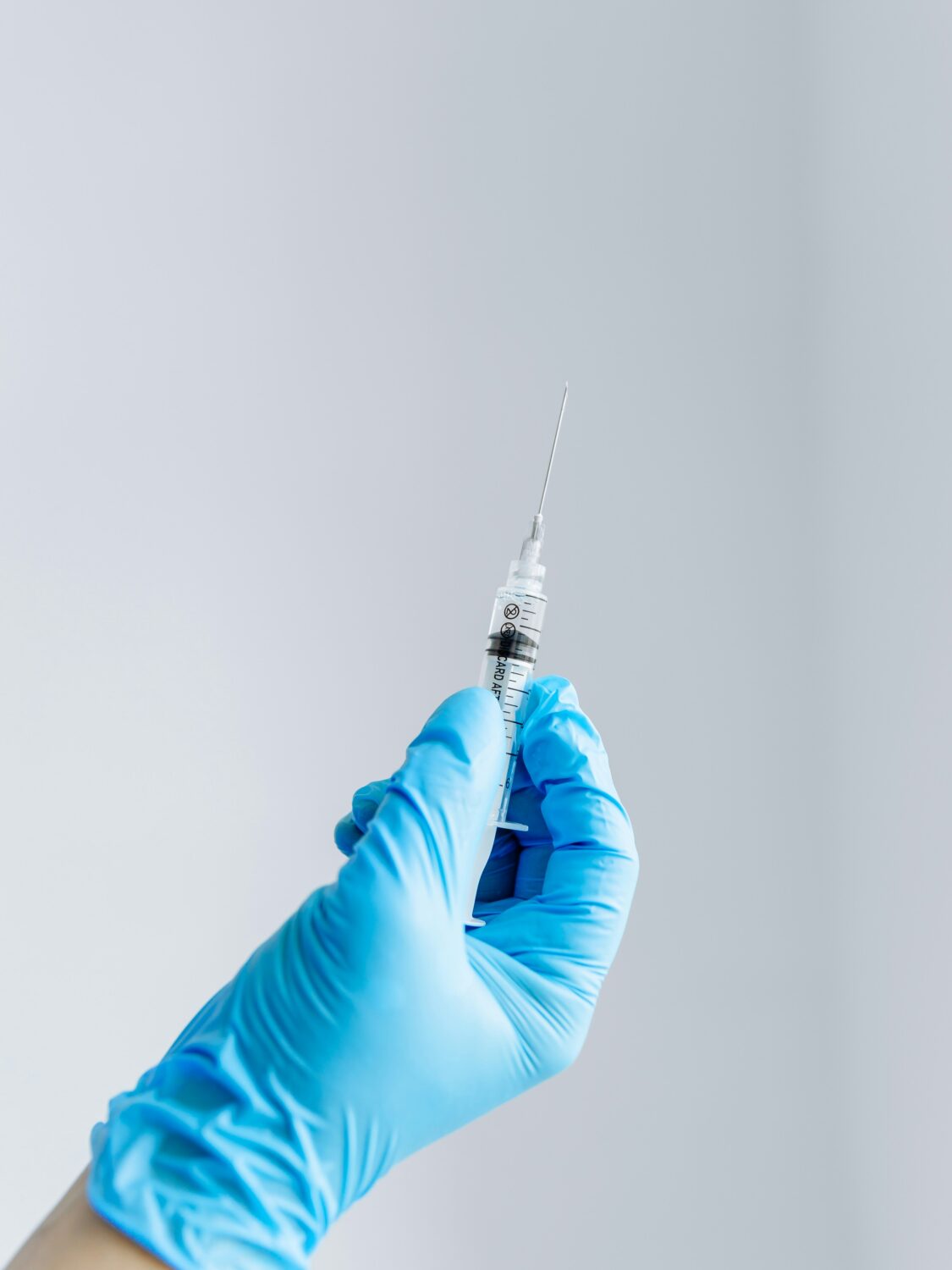
Few parts of planning a Uganda safari cause as much last-minute stress as vaccinations, and that stress is almost always avoidable with the right timeline. Unlike your flights, your lodge bookings, or your gorilla permits, health preparation cannot be rushed the week before departure, because vaccines need time to take effect and some require multiple doses spaced weeks apart. Understanding the Uganda safari vaccination timeline well in advance turns a source of anxiety into a simple checklist, and this guide walks through exactly what is required, what is strongly recommended, and when each step should happen relative to your departure date.
Before going further, a quick but important note: this article is intended as general travel information, not personalized medical advice. Vaccination needs vary by individual health history, age, pregnancy status, and prior immunizations, so everything below should be confirmed with a doctor or accredited travel health clinic rather than treated as a substitute for professional guidance.
The One Non-Negotiable: Yellow Fever
If there is a single vaccine that defines the Uganda vaccination requirements, it is yellow fever, and it is worth understanding why this one sits in a different category from everything else on this list. Uganda sits within the World Health Organization’s yellow fever transmission zone, and the Ugandan government requires proof of vaccination, commonly called the yellow card or International Certificate of Vaccination or Prophylaxis, from every traveler aged nine months and older entering the country, regardless of which country they are arriving from. This is stricter than the requirements in some neighboring countries, where proof is only demanded from travelers arriving from other yellow-fever-endemic nations. In Uganda, everyone needs it.
The timing rule here is precise and worth committing to memory: the vaccine must be administered at least ten days before arrival for the certificate to be considered valid at the border. Getting vaccinated the day before you fly does not satisfy the requirement, since your body needs that ten-day window to develop the immune response the certificate is meant to confirm. In practice, most travel clinics recommend booking this appointment at least four to six weeks ahead, partly to build in a comfortable buffer and partly because yellow fever vaccine, being a live vaccine, occasionally causes mild flu-like symptoms for a day or two afterward, which nobody wants to experience in the final days before a long-haul flight.
A single dose of the yellow fever vaccine provides lifelong immunity for the vast majority of travelers, so if you have been vaccinated for a previous trip to a yellow-fever-risk country, you generally do not need to repeat it, though it is worth confirming your original certificate is still in good condition and easily locatable, since immigration officials at Entebbe do check it on arrival, and lacking it can mean vaccination on the spot, quarantine, or in rare cases denied entry. Carry the physical certificate with your passport throughout the trip, not packed away in checked luggage, since it may be requested again at land border crossings if your itinerary includes a stop in Rwanda or Kenya.
Travelers with specific medical contraindications, including certain immune conditions, egg allergies in some cases, or infants under nine months, may be eligible for a medical exemption letter rather than the vaccine itself, but this needs to be arranged through Ugandan health authorities well ahead of travel and is not something to leave until arrival.
Recommended, Not Mandatory: Hepatitis A and Typhoid
Once the yellow fever requirement is handled, the next tier of the vaccination timeline covers shots that are not legally required for entry but are strongly recommended by essentially every travel health authority for anyone visiting Uganda. Hepatitis A and typhoid both spread primarily through contaminated food and water, a genuine consideration when travel takes you through smaller towns, local markets, or anywhere outside the controlled environment of an upscale lodge kitchen.
Hepatitis A vaccination typically involves two doses, given six to twelve months apart, though a single dose still provides solid short-term protection if a longer runway before you complete the second dose is not on your calendar before departure. For a first-time traveler with no prior Hepatitis A immunity, getting the first dose at least two to four weeks before travel gives your body time to build a meaningful antibody response before you land.
Typhoid vaccination is available as either an injectable single dose or an oral capsule course taken over several days, and both need roughly one to two weeks to become effective. Because typhoid risk correlates closely with food and water hygiene, it is one of the vaccines travel clinics recommend most consistently for East Africa itineraries, particularly for trips that include time in Kampala or smaller towns along the road to Murchison Falls, rather than staying exclusively within lodge compounds.
Neither of these vaccines is checked at the border, and no certificate is required for either. That does not diminish their importance, since the actual health risk they address is real and unrelated to entry paperwork.
Filling in the Rest: Tetanus, Hepatitis B, and Routine Boosters
A Uganda safari itinerary often involves activities like game drives on bumpy roads, walking safaris, and boat launches, all of which carry a modest but real risk of minor injuries, cuts, or scrapes. This is why tetanus vaccination status is worth checking before you travel, since most adults received a primary series in childhood but may be overdue for the ten-year booster without realizing it. If your last tetanus shot predates your last decade, a booster before departure is a simple, low-effort addition to your appointment.
Hepatitis B is recommended for travelers who may have any of a range of exposures during their trip, including medical treatment abroad, tattoos, or extended stays that increase contact with local healthcare settings. It is less universally emphasized for short safari trips than Hepatitis A, but travel clinics often suggest it for longer stays or for travelers combining Uganda with other African destinations on an extended itinerary.
It is also worth using a pre-travel clinic visit to confirm your routine immunizations are current generally, including measles, mumps, and rubella, and your annual influenza shot if traveling during flu season at home. These are not Uganda-specific requirements but are commonly overlooked simply because travelers focus entirely on the destination-specific list and forget the basics.
Malaria: Prevention, Not Vaccination
Malaria deserves its own section in any honest discussion of Uganda health preparation, because it is arguably the most significant health risk travelers face on a Uganda safari, and it is managed differently from the vaccines above. Uganda is a malaria-risk country across essentially its entire territory, including Murchison Falls National Park and the surrounding region, so prevention here means a combination of prescription antimalarial medication and physical protection against mosquito bites, rather than a single vaccine dose.
A doctor or travel clinic will discuss which antimalarial medication suits your health history, since several options exist with different dosing schedules, side effect profiles, and starting times before travel, some of which need to begin before you depart and continue for a period after you return home. This is a conversation to have directly with a medical professional rather than something to self-prescribe, since the right choice depends on factors like other medications you take, any history of certain health conditions, and how long your trip lasts.
Alongside medication, physical prevention matters just as much. Most safari lodges, including those around Murchison Falls, provide mosquito nets over beds and take reasonable precautions against mosquitoes in common areas, but travelers should still pack a strong insect repellent containing DEET, wear long sleeves and trousers particularly around dusk and dawn when mosquito activity peaks, and remain consistent with repellent application throughout the trip, not just on the first day. Combining medication with these physical measures gives the strongest protection, since neither approach alone is considered fully sufficient on its own.
Building Your Personal Timeline
Pulling all of this together, the ideal preparation window starts around six to eight weeks before departure, which gives comfortable room for every vaccine on this list, including the two-dose Hepatitis A series if you want to start it, without any rushed scheduling. At that six-to-eight-week mark, book a single appointment with a travel health clinic or your regular doctor, bring your full itinerary including any countries beyond Uganda you plan to visit, and let the clinic build a personalized plan based on your existing immunization history.
If your travel date is closer, four weeks out is still workable for a complete plan, since the yellow fever vaccine’s ten-day rule leaves ample margin, and a single Hepatitis A dose still offers reasonable short-term protection even without the second dose completed before travel. Malaria medication schedules vary, so this is precisely the kind of detail your prescribing doctor needs to confirm based on which specific medication they choose for you.
Even travelers who find themselves with only two to three weeks before departure are not out of options, though the window narrows. The yellow fever vaccine still needs to go in at least ten days before arrival at minimum, so this becomes the first call to make. Other vaccines and the malaria prescription can still be arranged, just with less flexibility around dosing schedules, which is one more reason earlier is always better than later when it comes to safari health preparation.
What to Pack Alongside Your Vaccinations
Preparation does not end once the needles are done. A basic travel health kit for a Uganda safari is worth assembling alongside your vaccination schedule, and it typically includes your malaria medication for the full duration of the trip plus a buffer, a strong insect repellent, sun protection given the equatorial intensity of Uganda’s daytime sun, rehydration salts in case of any stomach upset, and any personal prescription medication carried in original packaging with a doctor’s note if it is anything unusual, since customs officials occasionally ask about medication brought into the country.
Bottled or properly filtered water is the standard recommendation throughout Uganda, including at lodges, and most reputable properties around Murchison Falls provide this as standard, but it remains a good habit to carry a personal water bottle and confirm the source at each new stop rather than assuming.
Combining Uganda with Other Destinations
Travelers extending their trip beyond Uganda, whether to Rwanda for gorilla trekking, Kenya for a classic savannah safari, or Tanzania for the northern circuit, should mention every leg of the journey to their travel clinic at the initial appointment, since requirements and recommendations shift slightly by country and by which regions within each country you plan to visit. Rwanda, for instance, requires yellow fever certification specifically from travelers arriving from endemic countries rather than universally, which differs from Uganda’s blanket requirement, and this distinction matters if your itinerary crosses the border overland rather than flying directly. Our team frequently builds multi-country itineraries that account for exactly these differences, and if you are planning a Uganda leg alongside gorilla trekking, our gorilla trekking planning guide is a useful next stop for understanding how that combination typically works.
A Note on Children and Older Travelers
Family safaris to Murchison Falls are increasingly common, and vaccination planning for children follows largely the same framework with some adjustments, since the yellow fever requirement applies from nine months of age, and some vaccines have different dosing or age recommendations for younger travelers. Pediatric travel clinics are well equipped to handle this, and starting the conversation early is especially important for families, since coordinating a child’s full vaccination schedule alongside their existing routine immunizations takes a bit more planning than an adult itinerary. Older travelers, particularly those managing existing health conditions or taking regular medication, should similarly flag their full medical history at the clinic visit, since certain vaccines and malaria medications interact with other treatments in ways worth discussing directly with a doctor familiar with your case.
Bringing It All Together
The single most useful thing any traveler can do with this information is translate it into a calendar entry today, not next month. Count backward from your departure date, identify the six-to-eight-week mark, and book a travel clinic appointment for that window. From there, the yellow fever certificate, the Hepatitis A and typhoid decisions, the tetanus booster check, and the malaria prescription conversation all happen in a single, unhurried visit, leaving you free to spend the weeks before your trip thinking about game drives, boat cruises along the Nile, and tree-climbing lions rather than paperwork.
If you have questions about how your planned itinerary around Murchison Falls fits with your health preparation timeline, or if you would like help understanding which airstrip or entry point applies to your travel dates, our team is glad to help you plan the complete trip alongside the practical logistics. Reach out to start building your itinerary, and remember to schedule that travel clinic appointment as one of the very first items on your safari planning list, right alongside your flights and your park permits.