Otters of the Nile: Spotting Uganda’s Aquatic Mammals
Most people planning a Uganda safari arrive with a mental list built around lions, elephants, and gorillas, and understandably so. But spend an afternoon gliding along the Nile on a boat cruise below Murchison Falls, and there’s a decent chance something smaller, quicker, and far less photographed will slip past the boat and vanish beneath the surface before most passengers even register what they’ve seen. The otters of the Nile in Uganda are among the country’s more elusive residents, and for travelers who know to look for them, they add a genuinely different texture to a river safari that’s usually focused on hippos, crocodiles, and birdlife.
This is a closer look at Uganda’s otter species, where they live, how they behave, and what actually improves the odds of spotting one on a Nile boat cruise or elsewhere in the country’s wetlands.
Which otter species live in Uganda
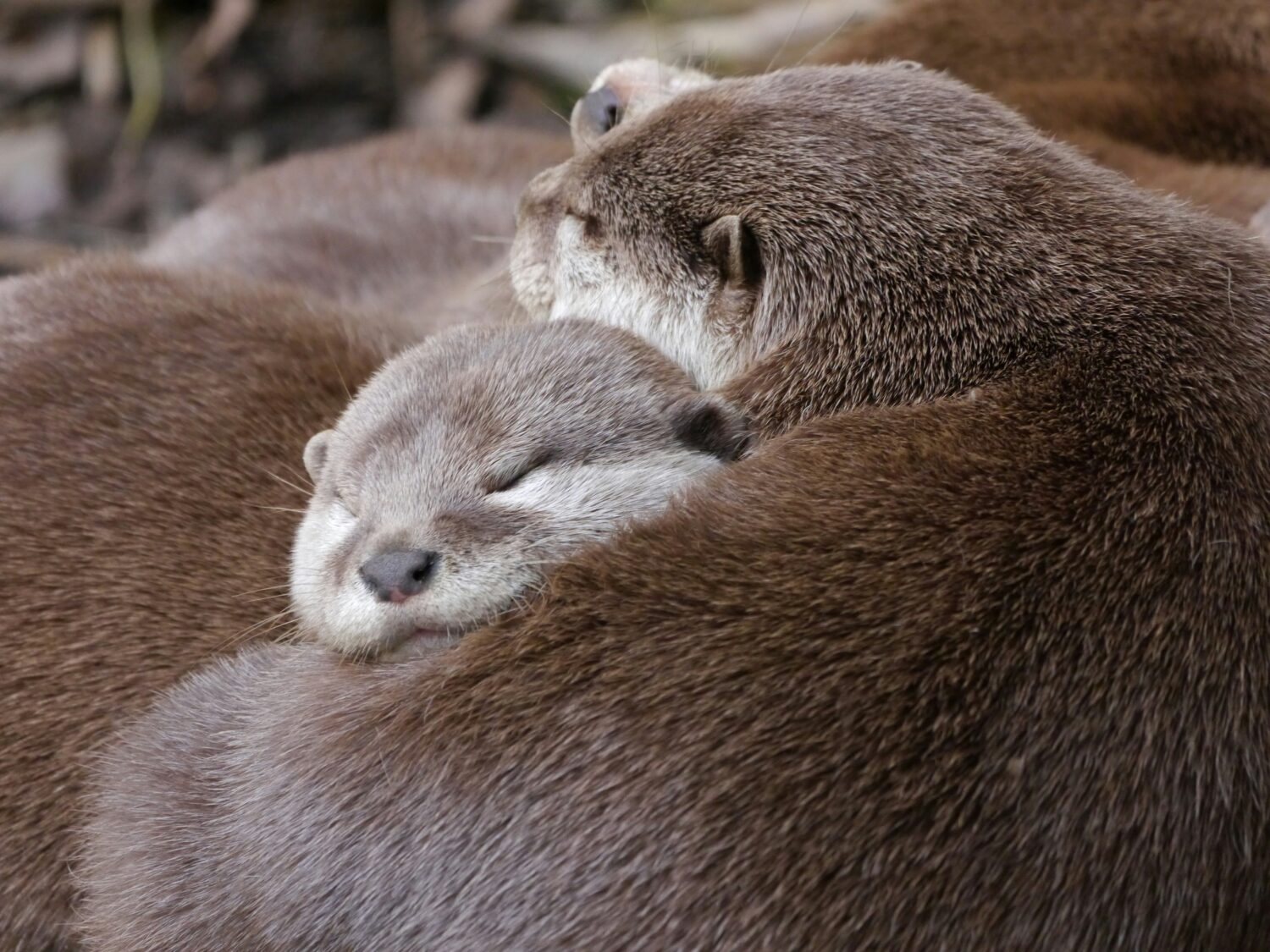
 Uganda is home to two otter species that a traveler is realistically likely to encounter: the spotted-necked otter and the African clawless otter. A third species, the Congo clawless otter, is also present in parts of western Uganda, though it’s considerably rarer and less documented than the other two, and most sightings reported by guides and researchers in the country’s wetlands involve one of the first two species.
The spotted-necked otter is the smaller of the two, rarely weighing more than about six kilograms, with a sleek, chocolate-brown coat marked by distinctive pale or white blotches across the throat and chest. Those markings are unique to each individual, similar in concept to a fingerprint, which researchers sometimes use to identify specific animals over time. It’s a daytime hunter with excellent eyesight, favoring clear, deep water where it can visually track fish, which makes it more likely to be seen than its clawless relative, provided the water it’s hunting in is clear enough for good visibility.
The African clawless otter is considerably larger, among the biggest freshwater otter species in the world, typically weighing between 10 and 22 kilograms. Its coat is dark brown with pale patches around the face, throat, and neck, and unlike most otters, its front feet have no claws or webbing at all, a genuine adaptation that lets it manipulate crabs, frogs, and other prey with a surprising degree of dexterity, almost like fingers. It’s a far less visually oriented hunter than the spotted-necked otter, relying instead on long, sensitive whiskers to locate prey even in murky water, which suits the often silt-laden rivers and lakeshores it favors across much of the country.
Where to look along the Nile and beyond
The Nile itself, particularly the stretch flowing through and below Murchison Falls National Park, offers habitat for both species, though sightings tend to cluster around quieter side channels and reed-lined banks rather than the open, boat-heavy stretches most cruises travel through. Early morning and late afternoon boat trips generally offer better odds than midday cruises, partly because that’s when otters tend to be most active and partly because the light at those hours makes it easier to spot a small, dark shape breaking the water’s surface among the reeds.
Beyond Murchison Falls, otters turn up in several of Uganda’s other wetland systems. The Kazinga Channel in Queen Elizabeth National Park, a body of water already famous for its dense hippo and bird populations, also supports otters along its quieter margins, and Lake Mburo National Park, with its network of smaller lakes and wetlands, is another spot where sightings are occasionally reported. Lake Victoria’s shoreline holds otter populations too, though the spotted-necked otter is notably less common there than in some of Uganda’s smaller, clearer lakes further west, such as Lake Bunyonyi, which has a strong reputation among wildlife researchers as one of the more reliable places in the country to see this species active during daylight.
Why otters are so hard to spot
Even in places where otters are known to live in healthy numbers, actually seeing one takes a combination of timing, quiet, and a fair amount of luck. Both species are naturally wary of boats and human activity, and much of their most active hunting happens during the cooler hours around dawn and dusk, windows that don’t always align with a standard midday game drive or a mid-morning boat cruise scheduled for maximum wildlife viewing elsewhere. The African clawless otter in particular tends to be more active in the late afternoon and early evening, and because it hunts largely by feel rather than sight, it doesn’t need to surface as often or as visibly as a fish-hunting spotted-necked otter does.
Noise is another significant factor. A boat engine running at full speed, or a group of passengers talking loudly, is usually enough to send any nearby otter diving well before it comes into clear view. Boat cruises that move slowly along the edges of the river, with engines throttled down and passengers keeping voices low, consistently report better wildlife sightings across the board, and otters are no exception to that pattern.
Behavior worth watching for
Spotted-necked otters are notably social compared with many other otter species, often seen in small family groups rather than strictly alone, and they’re known for a range of vocal squeaks and chatters used during social interaction, which occasionally gives away their presence to an attentive listener even before they’re visible. They hunt primarily by sight in clear water, diving for fish and surfacing repeatedly in the same general area, a pattern that makes them slightly easier to track once a first sighting is made, since a guide who spots one dive can often predict roughly where it will resurface.
The African clawless otter, by contrast, is more commonly solitary, though it does sometimes travel in loosely tolerant family groups sharing an overlapping territory marked by scent rather than active social bonding. It tends to establish consistent grooming areas and favored access points along a riverbank or lakeshore, and guides familiar with a particular stretch of water sometimes know these specific spots, which is one more reason a knowledgeable local guide meaningfully improves the odds of a sighting over simply scanning the water at random.
The role otters play in the ecosystem
Otters sit in an interesting position within Uganda’s aquatic food webs, both as predators of fish, crabs, and amphibians and as prey for larger animals themselves. Nile crocodiles and fish eagles are both known to take otters on occasion, particularly younger or less experienced individuals, which makes an otter sighting along a crocodile-heavy stretch of the Nile a small reminder of how tightly interconnected these river ecosystems really are. Healthy otter populations are generally considered a reasonably good indicator of water quality, since both species are sensitive to pollution and heavily degraded habitat, which means their continued presence along the Nile and in Uganda’s other wetlands says something meaningful about the broader health of those water systems.
Conservation status and pressures
The spotted-necked otter is currently classified as near threatened by international conservation authorities, a status driven largely by habitat degradation, water pollution, and, in some regions, conflict with fishing communities who view otters as competitors for fish stocks. The African clawless otter, while more widely distributed across the African continent and not currently considered globally threatened, faces similar localized pressures, including habitat loss from wetland drainage and the risk of becoming caught in fishing nets set for other species. Both species are protected within Uganda’s national parks, which offer meaningfully safer habitat than unprotected stretches of river and lakeshore where human activity is more intense and less regulated.
This is part of why places like Murchison Falls National Park matter beyond the animals most travelers come specifically to see. A well-managed protected area doesn’t just shelter lions and elephants; it maintains the kind of intact wetland habitat that species like otters depend on to survive at all, particularly in a country where wetland drainage for agriculture has reduced suitable habitat in many unprotected areas outside park boundaries.
Making the most of a Nile boat cruise for otter sightings
For travelers genuinely hoping to see an otter rather than simply hoping to get lucky, a few adjustments to a standard boat cruise can meaningfully improve the odds. Choosing an early morning departure rather than a late morning or midday slot puts the cruise closer to the hours when otters are naturally most active. Asking the guide in advance about known otter activity along that particular stretch of river, rather than assuming the cruise will cover it automatically, also helps, since experienced guides often know specific bends, reed beds, or side channels where sightings have happened repeatedly over the years. And simply keeping expectations realistic matters too: even on a well-timed, quietly run cruise, an otter sighting is never guaranteed, and travelers who go in expecting the certainty of a hippo or crocodile sighting are likely to be disappointed, while those who treat it as a genuine bonus tend to enjoy the search itself far more.
Pairing otter-watching with the rest of a Murchison Falls itinerary
A Nile boat cruise focused partly on otters doesn’t need to come at the expense of the river’s other highlights. The same slow, quiet approach that improves otter sightings also tends to produce better photographs of the park’s dense hippo pods, its basking Nile crocodiles, and the wide range of water birds that line the riverbanks, from African fish eagles to the occasionally spotted shoebill stork in the right conditions. It’s a cruise that rewards patience regardless of which species ends up stealing the show on a given day, and pairing it with an early morning game drive elsewhere in the park rounds out a day that captures both the river and the savanna sides of Murchison Falls in a single visit.
If you’d like a Murchison Falls itinerary built with this kind of attentive, unhurried wildlife viewing in mind, rather than a rushed checklist of the park’s biggest names, our team can help design a trip around it. Reach out through our contact page to start planning, or take a look at our Murchison Falls safari packages to see how boat cruises, game drives, and early-morning wildlife viewing typically fit together across a well-paced visit. For travelers interested in otter habitat beyond a single park, our Uganda safari tours page covers how Murchison Falls pairs with destinations like Queen Elizabeth National Park, home to its own otter populations along the Kazinga Channel.
The Nile’s otters will likely never be the animal that draws someone to Uganda in the first place, and that’s fine; the lions, the falls, and the gorillas earn their reputation honestly. But for travelers willing to slow down, watch quietly, and pay attention to the smaller movements along the riverbank, the reward is a side of Uganda’s wildlife that most visitors never get to see at all, and one that adds a genuinely memorable layer to a Nile safari built around more than just the obvious highlights.