

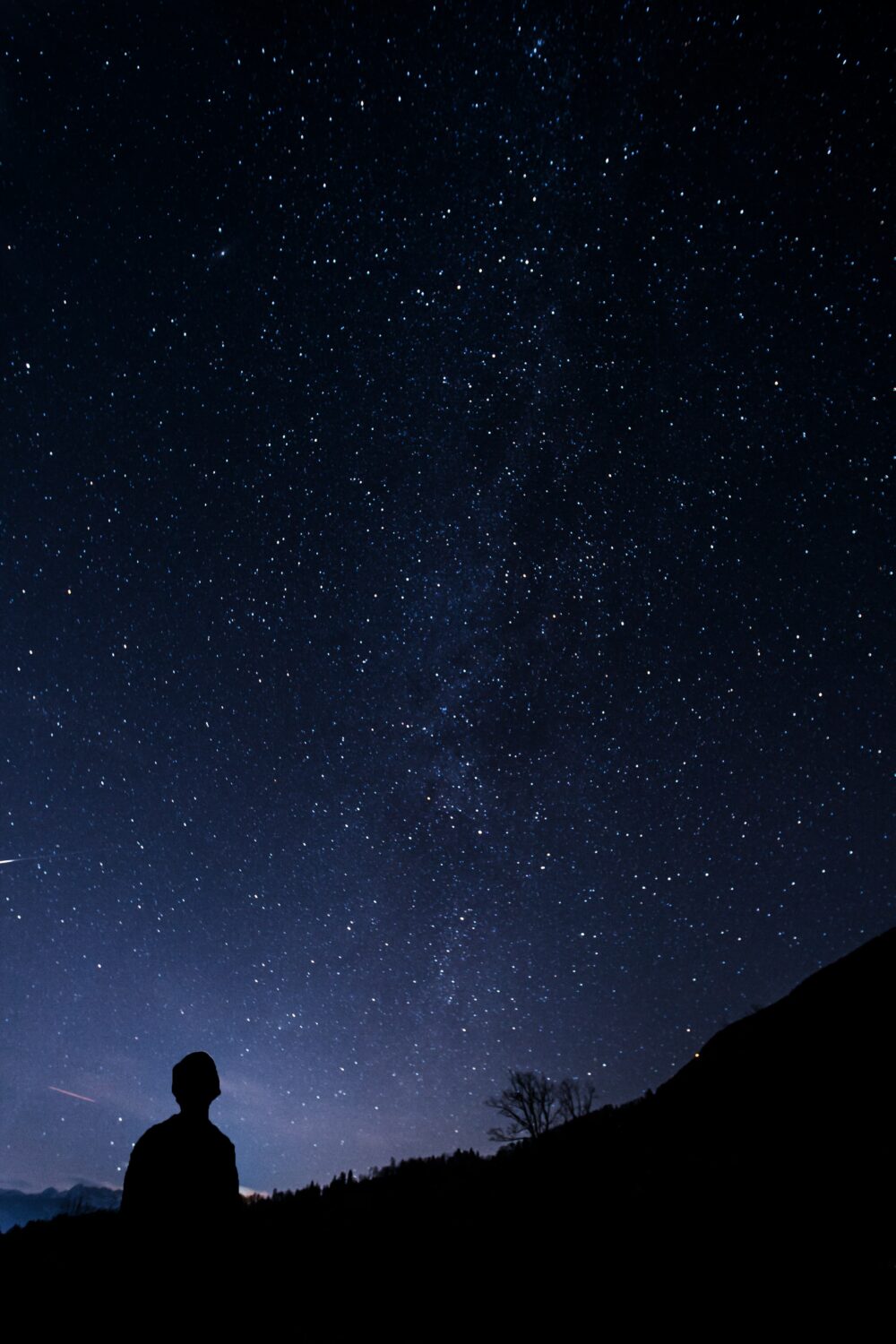
Astro-Tourism in Uganda: Stargazing Away from City Lights
Most people planning a Uganda trip are thinking about what happens between sunrise and sunset, the game drives, the boat cruises, the gorilla treks. Few think about what happens after the sun goes down, which is precisely why astro-tourism in Uganda has quietly become one of the most rewarding additions a traveler can make to an existing safari itinerary. Uganda’s remote parks sit hours from any significant source of artificial light, and the country’s position almost directly on the equator means the night sky on offer here is genuinely unlike what most travelers have ever seen, regardless of how many stars they think they’ve counted from a backyard at home.
This guide explains why Uganda’s geography makes it such an unusual stargazing destination, which parks and regions offer the darkest, clearest skies, and how to plan an evening, or several, around the cosmos without derailing the rest of a wildlife-focused itinerary.
Why Uganda’s Location on the Equator Matters for Stargazing
Uganda sits almost exactly on the equator, and that positioning does something genuinely unusual for stargazers: it puts both the northern and southern celestial hemispheres within reach over the course of a single night, rather than forcing a traveler to choose one or the other the way most stargazing destinations do. Constellations that dominate northern winter skies and those that define the southern hemisphere’s summer, including the rich star fields toward the galactic center, both rise and set from the same equatorial vantage point, often within the same evening. For travelers who’ve only ever stargazed from temperate latitudes in Europe, North America, or much of Asia, this alone makes a Uganda night sky worth building time around, since it’s simply not a view available from most of the places people call home.
Combine that geographic advantage with minimal light pollution across most of the country’s national parks, and the result is a sky where the Milky Way isn’t a faint smudge that takes real effort to notice, but a clearly defined band arching overhead, visible to the naked eye on a clear, moonless night without any equipment at all.
Murchison Falls National Park: Dark Skies Along the Nile
Murchison Falls National Park, despite being one of Uganda’s more accessible and heavily visited parks, retains genuinely excellent dark sky conditions in its more remote northern and western zones, particularly the areas reached only by boat from the Paraa lodge area or by four-wheel drive along the Nile’s north bank. The park’s dry seasons, from December through February and June through August, bring especially favorable stargazing conditions, with clear, warm nights that make extended time outdoors comfortable rather than something to endure for the sake of the view.
The Albertine Rift escarpment forming the park’s western boundary adds a dramatic visual element beyond the stars themselves, its dark silhouette rising against the night sky and giving the whole scene a sense of scale that flat horizon stargazing elsewhere simply doesn’t offer. Several lodges within and near the park have begun incorporating dedicated evening stargazing time into their guest programming, recognizing that a night sky this striking deserves more than a passing glance on the way back from dinner.
Night boat rides along the Nile add another dimension entirely, with the sounds of hippos and the occasional glimpse of crocodiles along the riverbank paired with an open view of the sky overhead, a combination that turns stargazing from a static activity into something closer to a full sensory experience unique to this particular stretch of river.
Kidepo Valley and Karamoja: Uganda’s Darkest Skies
For travelers genuinely prioritizing the darkest possible skies, Uganda’s northeastern Karamoja region and Kidepo Valley National Park represent the clearest answer available in the country. Karamoja’s remoteness and minimal infrastructure, while a logistical consideration for reaching the region, translate directly into some of the least light-polluted skies anywhere in East Africa, with transparent, clear conditions holding for a large share of nights throughout the year. Local guides in the Karamoja region, many raised within pastoral communities that have tracked seasons and navigation by starlight for generations, bring an added layer to the experience that a purely scientific explanation of the night sky doesn’t replicate, weaving indigenous astronomical knowledge together with the same constellations a visiting astrophysics enthusiast might recognize by their scientific names.
Kidepo Valley National Park, one of Uganda’s most remote and least-visited parks, rewards travelers who make the journey with both exceptional daytime wildlife viewing, including species like cheetahs and ostriches rarely seen elsewhere in Uganda, and correspondingly exceptional night skies once darkness falls. Spending multiple evenings stargazing here rather than a single perfunctory look before bed makes a genuine difference, since eyes take real time to adjust fully to true darkness, and the sky continues revealing more detail, fainter stars, subtler structure in the Milky Way, the longer you spend under it.
What You’ll Actually See: Planets, Meteor Showers, and the Milky Way
A clear night in one of Uganda’s dark-sky regions typically reveals considerably more than most travelers expect walking in. The rings of Saturn and the four largest moons of Jupiter are both visible through even a modest telescope, and several lodges across Uganda’s parks now offer guided telescope sessions specifically built around these highlights. The Milky Way itself, stretching overhead as a genuinely visible band of light rather than an abstract concept from an astronomy textbook, tends to be the moment that changes how travelers describe the experience afterward, since photographs rarely do justice to how it actually looks in person.
Meteor showers add another reason to time a visit intentionally, with several annual showers producing visible activity from Uganda’s latitude throughout the year. Checking a meteor shower calendar alongside your travel dates, and pairing that with a period close to a new moon when skies are darkest, can turn an already excellent stargazing trip into something considerably more memorable.
Timing Your Trip: Moon Phases and Seasonal Considerations
The single most important variable most first-time astro-tourists overlook is the moon. A full moon, however beautiful in its own right, washes out much of the fainter detail in the night sky, dramatically reducing the visibility of the Milky Way and fainter stars regardless of how remote or dark your chosen location happens to be. Travelers serious about stargazing should check the lunar calendar against their travel dates and, where possible, aim for the days surrounding a new moon, when skies reach their darkest and richest state.
Seasonally, Uganda’s dry months line up well with stargazing goals for reasons beyond just clear skies. Cloud cover during the rainy seasons can obscure the sky entirely for stretches of days, while the dry season’s consistently clear conditions across most of the country make planning around specific astronomical events, whether a meteor shower or simply a run of moonless nights, considerably more reliable.
Building Astro-Tourism into a Wider Uganda Safari
The appeal of astro-tourism in Uganda isn’t that it requires an entirely separate trip; it’s that it slots naturally into time that would otherwise pass unused after a day of game drives. Evenings on safari already involve dinner and downtime before an early morning game drive, and dedicating even an hour of that time to intentional stargazing, away from any lodge lighting, costs little in terms of itinerary planning while adding a genuinely different kind of experience to the trip.
Travelers building a Murchison Falls itinerary can request evening stargazing sessions directly through their lodge or safari operator, and pairing a night boat cruise with a clear evening often produces one of the most talked-about moments of an entire trip, wildlife sightings included. For travelers extending their itinerary toward Kidepo Valley or the Karamoja region specifically for darker skies, it’s worth building in at least two consecutive nights rather than a single stop, both to allow proper dark adaptation and to hedge against the possibility of cloud cover on any single evening.
For anyone finalizing a Murchison Falls itinerary and wondering how to fit stargazing into an already full schedule, our guide to the best time to visit Murchison Falls National Park covers the seasonal conditions that affect both wildlife viewing and night sky clarity, and our post on Nile boat cruises and night activities at Murchison Falls goes into more detail on the specific evening experiences available within the park. Travelers drawn to the darker skies of Uganda’s remote northeast may also want to look at our guide to Kidepo Valley National Park, which covers the wildlife and logistics of reaching one of Uganda’s least-visited and most rewarding parks.
A daytime safari in Uganda is unforgettable on its own, but adding even one deliberate evening under the country’s genuinely dark, equatorial sky gives a trip a dimension most travelers never think to ask for until they’ve experienced it. If you’re planning a Murchison Falls safari and want to build in dedicated stargazing time, our team can help shape an itinerary around both the wildlife and the night sky.
Ready to add stargazing to your Uganda itinerary? Contact us to build a Murchison Falls safari that includes dedicated evening stargazing, timed around clear skies and the lunar calendar for the best possible view.