Carbon-Neutral and Carbon-Offset Lodges in Uganda
The phrase “eco-lodge” gets used so loosely across the safari industry that it’s practically lost meaning, slapped onto everything from a genuinely off-grid solar camp to a property that’s simply added a recycling bin by the front desk. Travelers searching for carbon-neutral and carbon-offset lodges in Uganda deserve a more precise answer than marketing copy usually provides, one that distinguishes between properties actively measuring and reducing their footprint and those borrowing the language without the substance behind it.
This guide walks through what carbon-neutral and carbon-offset actually mean in a lodge context, which properties around Murchison Falls, Bwindi, and Uganda’s other major parks have built genuine sustainability practices into their operations, and how to evaluate a lodge’s claims for yourself when you’re planning a trip.
What “Carbon-Neutral” and “Carbon-Offset” Actually Mean
These two terms get used almost interchangeably in safari marketing, but they describe genuinely different approaches. A carbon-neutral lodge is one that has measured its total emissions, from power generation to vehicle fuel to food transport, and taken steps to reduce those emissions directly, typically through renewable energy generation, efficient building design, and low-impact operations, aiming to bring net output as close to zero as the property’s infrastructure allows. A carbon-offset lodge, by contrast, may still generate a meaningful amount of emissions through its day-to-day operations, but compensates for that output by funding external projects, often reforestation, community energy initiatives, or verified carbon credit schemes, that remove or prevent an equivalent amount of carbon elsewhere.
Neither approach is inherently better than the other, and the strongest properties in Uganda tend to combine both: reducing what they can through solar power and efficient design, then offsetting whatever remains through reforestation or community projects. What matters for travelers is transparency. A lodge that can explain specifically how it generates power, manages water, and handles waste, and can point to a real reforestation or conservation program it funds, is offering something substantively different from a property that simply describes itself as “eco-friendly” without any operational detail behind the label.
Lodges Built Around Solar Power and Reduced Grid Dependence
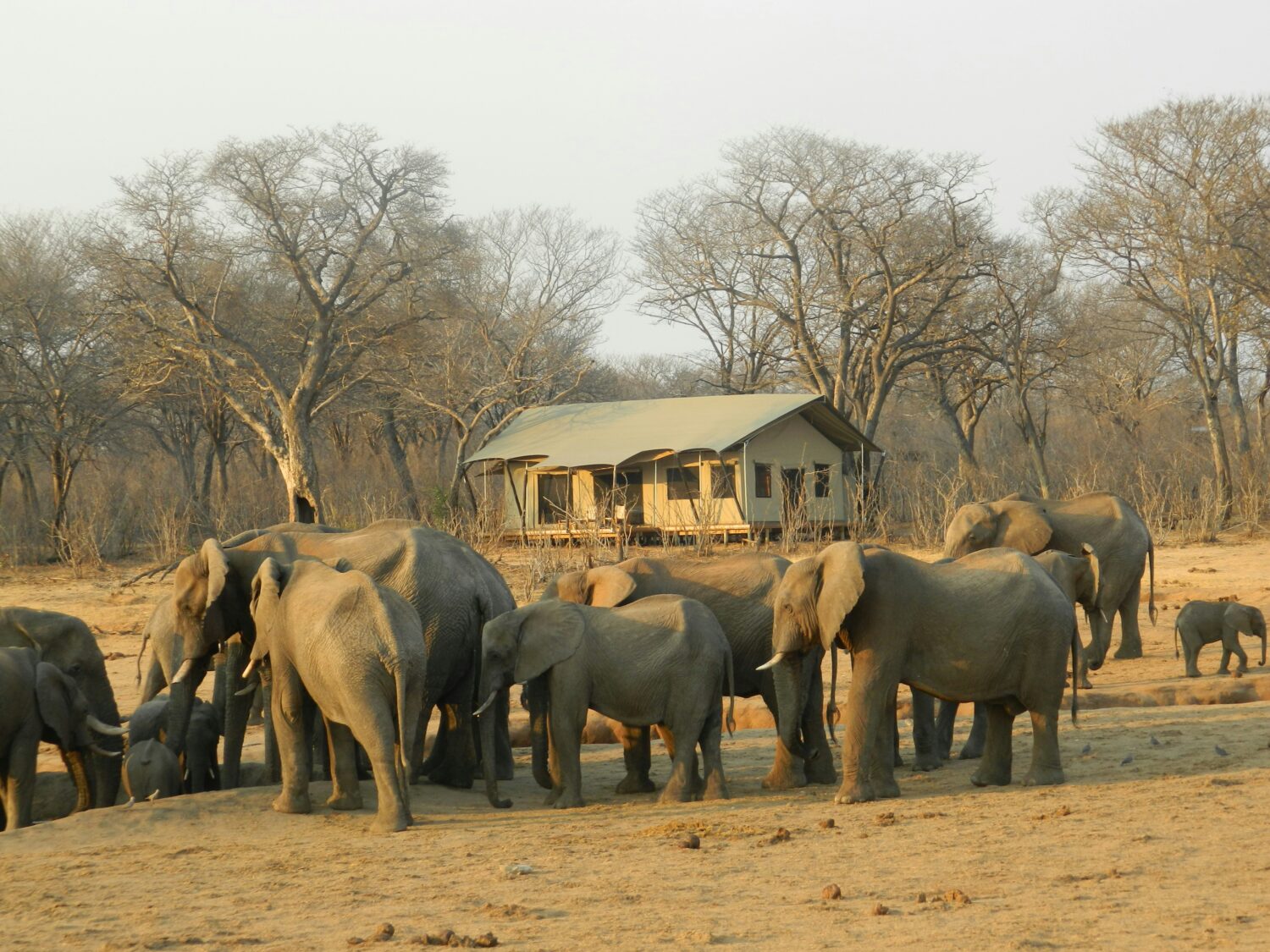
Solar power has become close to standard across Uganda’s higher-end safari lodges, driven partly by genuine sustainability commitments and partly by simple practicality, since many lodges sit far enough from Uganda’s national grid that solar is the most reliable power source available regardless of environmental motivation. Nile Safari Lodge, positioned along the Nile within Murchison Falls National Park, is frequently cited by operators and travel guides as running on solar power with additional reforestation initiatives supporting its sustainability claims, positioning it among the more genuinely carbon-conscious properties in the park. Clouds Mountain Gorilla Lodge, perched in the Bwindi highlands near the gorilla trekking trailheads, similarly runs fully on solar energy and has built its operational identity around that commitment rather than treating it as an afterthought.
Kyambura Gorge Lodge on the edge of Queen Elizabeth National Park follows a similar model, constructed from natural stone and locally sourced materials specifically to reduce the building’s environmental footprint, with solar power handling the property’s energy needs. Mihingo Lodge near Lake Mburo National Park draws its water from a nearby natural spring and pairs solar power with composting toilets, an operational detail that matters more than it might sound, since water and waste management are often the areas where lodges quietly fall short of their stated sustainability goals even when their power source is genuinely renewable.
Certified Sustainability: What TourCert and Similar Bodies Actually Verify
Most sustainability claims in the safari industry are self-reported, which is precisely why third-party certification matters when it’s genuinely present. Uganda Jungle Lodges, which operates both Ishasha Jungle Lodge near Queen Elizabeth National Park and Bugoma Jungle Lodge, has secured TourCert certification, an internationally recognized sustainable tourism verification body that audits properties against defined environmental and social criteria rather than simply taking operator claims at face value. That distinction is worth paying attention to when comparing lodges, since a TourCert-certified property has had its water recycling, waste management, energy efficiency, and community engagement practices independently assessed, rather than described only in its own marketing materials.
Travelers evaluating any lodge’s sustainability claims are well served by asking directly whether the property holds a recognized certification, and if not, what specific, verifiable practices back up the claims being made. A lodge that can answer clearly, citing solar capacity, water recycling systems, or a named reforestation partner, is offering something more substantial than one that simply uses the word “eco” in its property description.
Lodges Around Murchison Falls Worth Knowing About
For travelers focused specifically on Murchison Falls National Park, several properties have built genuine sustainability practices into their operations beyond the marketing language. Murchison River Lodge, positioned on the park’s southern bank, is constructed from sustainable, locally sourced materials and runs on solar power paired with rainwater harvesting, a combination that reduces both energy and water demands on surrounding infrastructure. Red Chilli Rest Camp, a longtime budget-friendly option within the park, similarly runs on solar energy and uses composting toilets alongside active waste management systems, demonstrating that meaningful sustainability practices aren’t confined to the luxury end of the accommodation spectrum.
Baker’s Lodge, set along the Nile within the park, is solar-powered and has built its operational identity around eco-friendly practices, while Chobe Safari Lodge, also within Murchison Falls, has been described by regional operators as an early adopter of sustainable safari lodge practices in the park, combining solar energy with water conservation measures. Budongo Eco Lodge takes the concept a step further by functioning as an active conservation and research hub alongside its accommodation offering, giving guests direct visibility into the science underpinning the park’s conservation work rather than sustainability existing purely as a backstage operational detail.
Beyond Murchison Falls: Notable Sustainable Properties Elsewhere in Uganda
Uganda’s sustainability-focused lodges extend well beyond Murchison Falls, and travelers building a multi-park itinerary will find similar practices at properties across the country. Wildwaters Lodge, set on a private island in the Nile near Jinja, integrates closely with its natural surroundings and emphasizes waste minimization alongside its more adventure-focused offerings like white water rafting. Ndali Lodge in the Fort Portal crater lakes region combines solar power with organic farming and direct support for local education initiatives, illustrating how sustainability commitments at the strongest properties tend to extend into community investment rather than stopping at energy and water.
Apoka Safari Lodge in the remote Kidepo Valley National Park prioritizes eco-friendly building materials alongside active conservation engagement, a meaningful commitment given how much more logistically demanding sustainable operations become in one of Uganda’s most isolated parks. Nkuringo Bwindi Gorilla Lodge, positioned atop Nteko Ridge with views toward the Virunga Volcanoes, has been described as carbon-neutral by regional operators, built from locally harvested sustainable materials and powered by solar with rainwater harvesting supporting its water needs.
Reforestation and Community Offset Programs Worth Understanding
The offset side of the equation, where lodges compensate for remaining emissions through external projects, tends to be less visible to travelers than solar panels on a roof, simply because reforestation and community energy projects happen away from the property itself. Several Uganda lodges, including Nile Safari Lodge, have been linked to active reforestation initiatives that restore degraded forest areas near the properties they operate, a practice that directly benefits the wildlife corridors surrounding parks like Murchison Falls while also serving the stated carbon-offset goal.
Travelers who want to understand a lodge’s offset claims in more depth should feel comfortable asking specific questions: which organization verifies the reforestation or offset project, how many trees or hectares are involved, and whether the program predates the lodge’s marketing use of the term or was introduced specifically to support a sustainability claim. Genuine, long-running programs tend to have specific numbers and named partners behind them; vaguer claims are worth treating with a bit more caution.
How to Evaluate Sustainability Claims When Booking
Given how inconsistently the terms carbon-neutral and carbon-offset get applied across the industry, it’s worth developing a simple mental checklist when comparing lodges. Ask whether the property can name its power source specifically, solar capacity, grid dependence, or backup generator usage, rather than simply stating it’s “eco-friendly.” Ask how water is sourced and whether wastewater is treated or recycled, since this is one of the areas most often glossed over in marketing copy. Ask whether the property holds any third-party certification, such as TourCert, and if not, whether it can point to specific, ongoing initiatives rather than one-time claims. And ask directly what happens to waste generated during a stay, since composting, recycling, and pack-out policies vary enormously between properties that otherwise look similar on a booking website.
None of this needs to feel like an interrogation. Most genuinely sustainable lodges are proud of these details and happy to share them, and a property’s willingness to answer specifically, rather than deflecting to general language, tells you a good deal about how seriously the sustainability commitment is actually held.
Building a Genuinely Sustainable Uganda Itinerary
Choosing carbon-conscious lodges is one piece of a broader approach to responsible travel in Uganda, and it pairs naturally with other sustainability-minded choices travelers make throughout a trip, from packing decisions to how time and money are spent in the communities surrounding each park. For travelers planning a Murchison Falls safari with sustainability as a genuine priority, it’s worth building lodge selection into the itinerary planning process from the start, rather than treating it as a final checkbox once flights and dates are already locked in.
Our guide to plastic-free packing for your Uganda safari covers the complementary side of sustainable travel, the choices travelers make in their own luggage rather than at the lodge level, and our post on the best time to visit Murchison Falls National Park helps match travel dates to both wildlife viewing conditions and the operational realities that affect solar-powered properties during Uganda’s rainier months. Travelers building a longer trip across multiple parks may also find our multi-park Uganda safari planning guide useful for identifying sustainability-focused lodges beyond Murchison Falls as part of a fuller itinerary.
Choosing where to stay shapes more of a safari’s environmental footprint than most travelers initially realize, and Uganda’s strongest lodges have made real, verifiable commitments worth seeking out rather than assuming any property labeled “eco” has earned that description. If you’d like help identifying genuinely sustainable accommodation options for your Murchison Falls trip, our team can build an itinerary around properties that match both your comfort expectations and your sustainability priorities.
Ready to plan a sustainable Uganda safari? Get in touch with us to build a Murchison Falls itinerary featuring lodges with genuine solar power, water conservation, and conservation partnerships behind their sustainability claims.