Big Five vs Big Seven Safari: Which Checklist Should You Chase in Uganda
Anyone researching an African safari eventually runs into the phrase “Big Five,” and increasingly, its lesser-known cousin, the “Big Seven.” Both function as wildlife checklists, shorthand ways of framing what a safari is meant to deliver, and both show up constantly in travel marketing and itinerary planning. What trips up a lot of travelers planning a Uganda trip specifically is that “Big Seven” does not mean the same thing everywhere. In South Africa, it typically refers to the Big Five plus two marine giants found along the coast. In Uganda, it means something else entirely, and understanding that difference matters enormously for anyone trying to decide which checklist actually makes sense to chase here. This guide breaks down both terms, what each requires logistically, and which one is the smarter framework for a Uganda-based trip.
Where the Big Five Term Actually Comes From
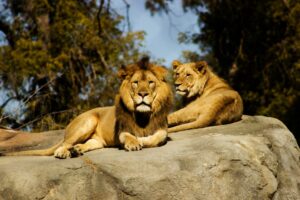 The Big Five, comprising the lion, leopard, elephant, African buffalo, and rhinoceros, did not originate as a wildlife-watching concept at all. The term dates back to colonial-era big-game hunting, where these five species were considered the most difficult and dangerous animals to track and hunt on foot, a reputation earned through their combination of power, unpredictability, and, in several cases, genuine willingness to charge a threat rather than flee from one. The phrase survived the transition from hunting terminology to modern wildlife tourism largely intact, and today it functions as a widely recognized, if somewhat blunt, benchmark for a “complete” African safari, even though the underlying logic, animals once considered dangerous to hunt, has little direct bearing on what makes a modern wildlife encounter meaningful or memorable.
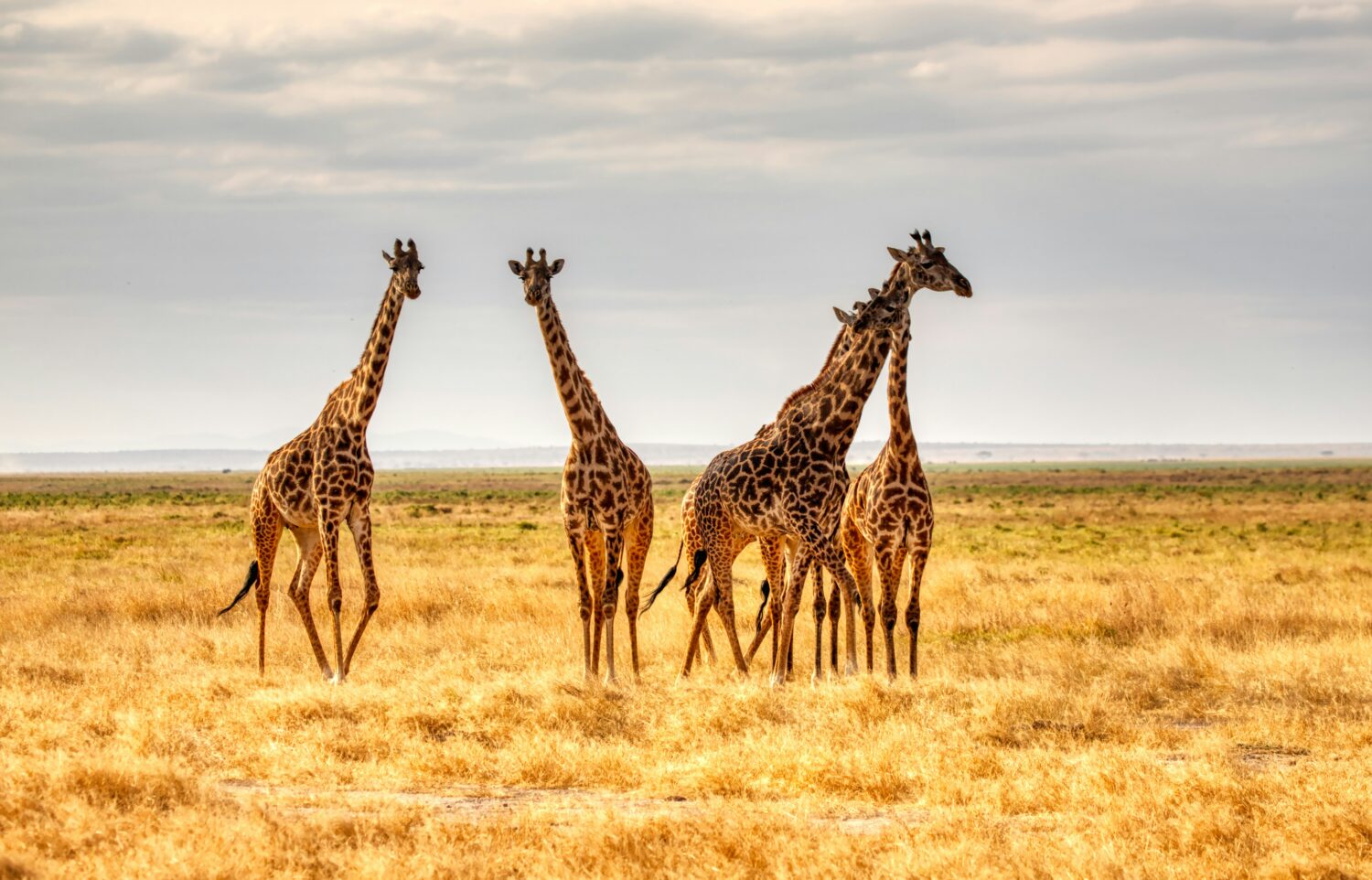
It is worth noting, as more thoughtful corners of the safari industry increasingly point out, that the Big Five as a framework has real limitations. The African buffalo, for instance, is neither endangered nor especially visually striking compared to some of Uganda’s other wildlife, yet it retains its Big Five status purely on historical hunting-danger grounds, while genuinely remarkable animals like the giraffe, the hippo, or Uganda’s tree-climbing lions sit outside the list entirely simply because the term predates modern wildlife appreciation by many decades.
What “Big Seven” Means in South Africa
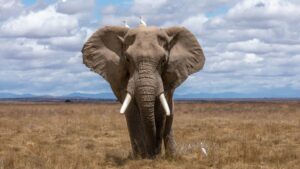 Before addressing Uganda specifically, it helps to understand the more internationally recognized version of “Big Seven,” since travelers researching the term will encounter it constantly and should know it does not apply to Uganda. In South Africa, and specifically within Addo Elephant National Park in the Eastern Cape, where the reserve’s boundaries were extended in 2000 to include a stretch of coastline, “Big Seven” refers to the traditional Big Five plus two marine species: the great white shark and the southern right whale. Addo remains the only single protected area in the world where all seven can genuinely be seen within one visit, combining a morning bush safari with an afternoon boat excursion into coastal waters. This version of the term is deeply tied to South Africa’s specific geography, and it simply has no equivalent in landlocked Uganda, which brings us to what the phrase actually means here.
Uganda’s Own Big Seven: Five Plus Two Primates
In Uganda, “Big Seven” has taken on a distinct, locally meaningful definition: the traditional Big Five, plus the mountain gorilla and the chimpanzee, Uganda’s two flagship great ape species. This framing makes genuine sense given Uganda’s particular strengths as a safari destination, since the country holds a truly exceptional position globally as a primate destination, home to roughly half the world’s remaining mountain gorillas alongside substantial, trackable chimpanzee populations, strengths that a purely land-mammal-focused Big Five checklist does nothing to capture or celebrate.
This Uganda-specific Big Seven framing is, frankly, a better fit for the country’s actual wildlife story than importing the South African marine-focused version wholesale, and it is the definition worth using when planning a Uganda-based trip, since it reflects genuine, achievable, and genuinely distinctive experiences available within the country’s borders rather than a definition built around a different country’s coastline.
Tracking Down Uganda’s Big Five
Assembling a full Big Five sighting list within Uganda requires a bit more deliberate planning than in classic Big Five destinations like Kenya’s Masai Mara or Tanzania’s Serengeti, primarily because of one specific animal: the rhinoceros. Rhinos became locally extinct in Uganda’s wild parks during the political instability and poaching pressures of the 1970s and 1980s, and today the primary place to see them is Ziwa Rhino Sanctuary, a dedicated conservation ranch established in 2005 specifically to reintroduce and breed southern white rhinos, now home to a growing population under twenty-four-hour armed ranger protection. Ziwa sits conveniently along the main road route between Kampala and Murchison Falls, making it a natural, easy stop to fold into an itinerary rather than a significant detour, and it offers on-foot rhino tracking, a genuinely memorable activity in its own right given how close visitors can get to these animals in a controlled, guided setting. Notably, in a promising sign for the species’ future in the country, a small number of rhinos were recently released into Kidepo Valley National Park as the first step in a longer-term plan to reestablish a wild rhino presence in northeastern Uganda, though for the foreseeable future, Ziwa remains the reliable, near-guaranteed stop for this particular checklist animal.
The remaining four Big Five species are considerably more straightforward within a standard Uganda itinerary. Elephants and buffalo are reliably seen across Murchison Falls’ northern sector and Queen Elizabeth National Park, both offering strong, consistent sightings during game drives. Lions are present in both parks as well, with Queen Elizabeth’s Ishasha sector adding a genuinely unique twist: tree-climbing lions, a behavior rarely seen elsewhere in Africa and one of the more sought-after sightings for travelers who already know to look for it. Leopards, true to their reputation across the continent, are the most elusive of the group, solitary, nocturnal, and expertly camouflaged, but they are present in both Murchison Falls and Queen Elizabeth, and patient, well-guided game drives, particularly during the cooler morning and evening windows, offer a real, if not guaranteed, chance at a sighting.
Adding the Primates: Gorillas and Chimpanzees
The two additions that complete Uganda’s Big Seven require a different kind of planning altogether, since neither the mountain gorilla nor the chimpanzee is found in Murchison Falls or Queen Elizabeth, and both demand dedicated trekking activities in specific, separate parts of the country. Mountain gorilla trekking takes place in Bwindi Impenetrable National Park, and to a lesser extent Mgahinga Gorilla National Park, both in Uganda’s far southwest, requiring a genuinely dedicated leg of any itinerary given the distance from the country’s northern and western savannah parks. Chimpanzee tracking is considerably more accessible by comparison, available at Kibale Forest National Park, widely regarded as one of the best chimpanzee tracking destinations in Africa, and also possible within Budongo Forest, conveniently located directly within Murchison Falls National Park itself, meaning travelers can add chimpanzee tracking to a Murchison Falls stay without a separate multi-day detour the way gorilla trekking requires.
This distinction matters enormously for itinerary planning. A traveler chasing the full Big Seven checklist within Uganda needs to budget realistically for at least two separate legs of travel: the northern and western savannah circuit covering Murchison Falls and Queen Elizabeth for four of the Big Five, a stop at Ziwa for the rhino, and a dedicated southwestern extension to Bwindi for gorilla trekking, with chimpanzee tracking either folded into the Murchison Falls leg via Budongo Forest or added separately at Kibale depending on the overall route chosen.
Which Checklist Actually Makes Sense for Your Trip
For travelers with limited time, perhaps five to seven days focused specifically on Murchison Falls and possibly Queen Elizabeth, the Big Five is the more realistic and achievable target, and it is entirely possible to see four of the five reliably within a well-planned Murchison Falls itinerary alone, adding Ziwa Rhino Sanctuary as a straightforward stop along the standard road route north from Kampala. If you are still deciding how to structure the drive to Murchison Falls and whether to build in stops like Ziwa along the way, our comparison of fly-in versus road safari options for Murchison Falls is worth reading, since choosing the road option specifically opens up the possibility of this kind of enroute stop in a way that flying does not.
For travelers with ten days or more, or those already planning a gorilla trekking extension to Bwindi regardless of any checklist considerations, since gorilla trekking tends to be a bucket-list activity in its own right rather than something added purely to complete a wildlife tally, pursuing the full Uganda Big Seven becomes a genuinely achievable and worthwhile framing for the trip. It gives structure to what is already likely to be a multi-region itinerary, and it captures, better than the traditional Big Five alone, what actually makes Uganda distinctive as a safari destination: not just strong land-mammal viewing comparable to Kenya or Tanzania, but a primate-trekking dimension that few other African countries can match at anywhere near the same level.
Beyond Either Checklist: What Uganda Offers That Neither List Captures
It is worth saying plainly that neither the Big Five nor the Big Seven fully captures what makes Uganda worth visiting, and travelers overly fixated on ticking boxes risk missing genuinely remarkable experiences that fall outside both lists entirely. The shoebill stork, a prehistoric-looking, endangered bird found in wetland areas including the Lake Albert Delta near Murchison Falls, is a genuine highlight for birders and non-birders alike, striking enough in appearance and behavior that many travelers rank it among their most memorable Uganda sightings despite its absence from any standard checklist. Hippos and Nile crocodiles line the banks along the Murchison Falls boat cruise in numbers rarely matched elsewhere, and the thundering falls themselves, where the entire Nile forces through a gap only a few meters wide, remain one of the single most dramatic natural sights in East Africa regardless of any wildlife tally attached to the visit.
Rather than treating the Big Five or Big Seven as a rigid target to complete at all costs, the more rewarding approach for most travelers is to let either checklist function as a loose planning framework, useful for making sure an itinerary covers a reasonably full range of Uganda’s signature wildlife, while staying genuinely open to the sightings and experiences that fall outside both lists but often end up being the ones travelers remember most vividly.
Planning an Itinerary Around Your Checklist of Choice
Whichever framework appeals to you, the practical planning considerations are broadly similar: decide early whether gorilla trekking and a southwestern Uganda extension are part of your trip, since that single decision shapes trip length, budget, and routing more than almost any other factor. If gorilla trekking is on your list, understanding the current booking process matters considerably, and our guide on booking gorilla permits directly versus through a tour operator explains exactly how that process works under current 2026 regulations. If your trip is centered more tightly on Murchison Falls, focus your planning on maximizing the strong Big Five and chimpanzee-tracking opportunities available within that single park and its surrounding sanctuary, using our guide to the best time of day for game drives to structure your daily schedule around the strongest viewing windows for lions, elephants, and buffalo alike.
Chasing the Right List for You
There is no wrong answer between the Big Five and the Uganda-specific Big Seven, only the answer that fits the time, budget, and interests you are bringing to the trip. A shorter, savannah-focused Uganda safari built around the Big Five, with Ziwa Rhino Sanctuary folded into the route, delivers a genuinely complete and satisfying wildlife experience on its own. A longer trip that adds Bwindi’s gorillas and Kibale’s or Budongo’s chimpanzees to the mix captures something Uganda offers that very few other countries on the continent can match, and turns a strong safari into what many well-traveled visitors consider one of Africa’s most complete wildlife journeys.
If you are still deciding which checklist fits your trip, or want help building an itinerary that realistically covers either the Big Five or the full Uganda Big Seven within your available time and budget, our team is glad to map it out with you.
Ready to plan a Uganda safari built around the wildlife checklist that matters most to you? Reach out and let us help you build an itinerary that delivers on it.