Uganda Kob: The National Animal Explained
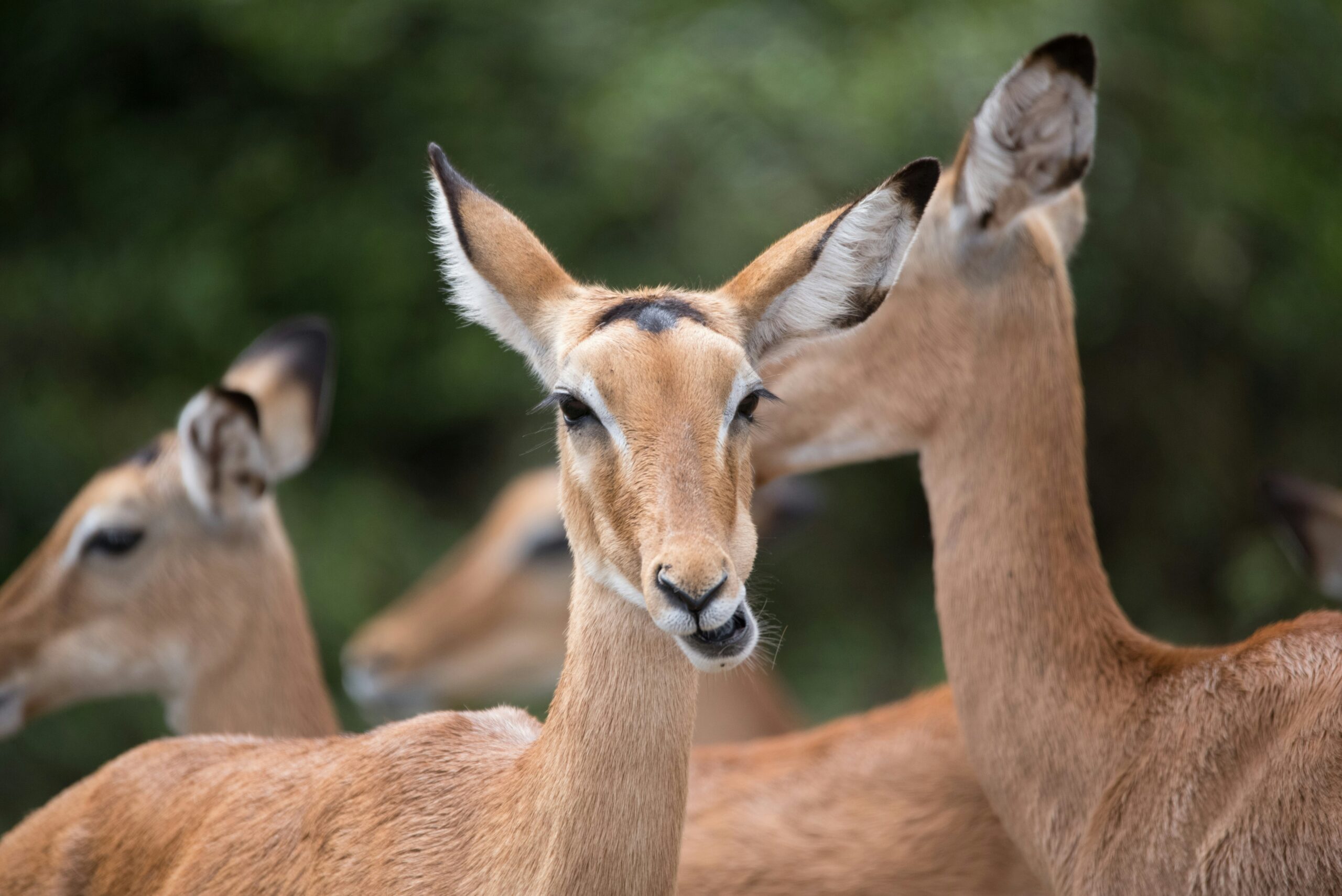
The Uganda Kob is one of the most recognizable and culturally significant wildlife species in Uganda. Graceful, alert, and deeply connected to the country’s identity, this elegant antelope has become an enduring symbol of Uganda’s natural heritage. Frequently seen roaming the savannah plains of Murchison Falls National Park, Queen Elizabeth National Park, and other protected areas, the Uganda Kob is not only an important safari attraction but also the national animal of Uganda.
For travelers exploring Uganda’s wildlife destinations, encountering herds of Uganda kob grazing across golden grasslands is one of the classic safari experiences. Their striking reddish-brown coats, lyre-shaped horns, and social behavior make them fascinating to observe in the wild. Beyond their beauty, Uganda kobs also play a crucial ecological role within Uganda’s ecosystems, supporting predator populations and maintaining savannah balance.
Many visitors often ask whether the Uganda Kob is considered powerful compared to larger African wildlife species. While it may not possess the physical dominance of elephants or predators like lions and leopards, the Uganda Kob demonstrates a different form of survival power through speed, endurance, awareness, adaptability, and reproductive success. Its ability to thrive in open savannah ecosystems while constantly facing predators reflects remarkable evolutionary strength.
Understanding the Uganda Kob
The Uganda Kob (Kobus kob thomasi) is a subspecies of kob antelope native to Uganda and parts of neighboring East African regions. It belongs to the antelope family and is especially associated with grassland and floodplain ecosystems.
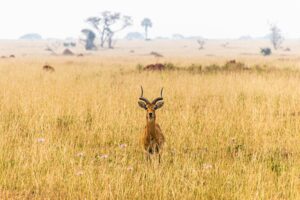 Adult males are easily identified by their impressive spiral-shaped horns, muscular build, and slightly darker coloration. Females are generally smaller and hornless. Their reddish-golden coats blend beautifully with Uganda’s savannah landscapes, providing natural camouflage against predators.
Uganda kob are highly social animals and often form large herds consisting of females, juveniles, and territorial males. These herds may gather in large numbers near open plains and water sources where grazing conditions are favorable.
Because of their abundance in some national parks and their symbolic value to the country, Uganda kobs have become one of the most photographed antelope species during Uganda safaris.
Why the Uganda Kob Is Uganda’s National Animal
The Uganda Kob was selected as Uganda’s national animal because it represents the country’s rich wildlife heritage, resilience, and natural beauty. The species appears prominently on Uganda’s coat of arms, symbolizing national pride and the importance of conservation.
Historically, the Uganda Kob was widespread across the country’s savannah regions and played an important role in local ecosystems and traditional culture. Its graceful appearance and strong association with Uganda’s landscapes made it a natural emblem for the nation.
The kob’s inclusion on the national coat of arms alongside the Grey Crowned Crane reflects Uganda’s commitment to protecting its biodiversity and preserving its wildlife resources for future generations.
Today, the Uganda Kob continues serving as a powerful symbol of Uganda’s tourism industry and conservation identity.
Where to See Uganda Kob in Uganda
Uganda offers excellent opportunities to observe Uganda kobs in the wild, particularly within savannah national parks.
Murchison Falls National Park
Murchison Falls National Park is one of the best destinations for viewing Uganda kob populations. The park’s open grasslands and riverine ecosystems provide ideal habitat for large herds.
Game drives across the Buligi sector frequently reveal groups of kob grazing alongside giraffes, elephants, buffaloes, and hartebeests. Because kob are abundant in the park, predators such as lions and leopards are often nearby.
The scenic beauty of Murchison Falls combined with its thriving wildlife populations creates one of Uganda’s most rewarding safari experiences.
Queen Elizabeth National Park
Queen Elizabeth National Park supports some of Uganda’s largest kob populations, especially in the Kasenyi Plains region. These grasslands provide excellent grazing areas that attract huge concentrations of kob.
The abundance of Uganda kob also supports strong predator populations, making Kasenyi one of Uganda’s top locations for lion sightings.
Lake Mburo National Park
Lake Mburo National Park provides another excellent location for observing Uganda kob within acacia woodland and savannah habitats.
The park’s relatively compact size allows close wildlife encounters and rewarding photography opportunities.
Uganda Kob Behavior and Social Structure
The Uganda Kob displays fascinating social behavior that adds depth to safari experiences.
Males establish and defend territories within breeding grounds known as leks. These territories become gathering points where females visit during mating periods. Dominant males compete intensely for access to females and prime territory positions.
Territorial displays often involve:
- Horn sparring
- Chasing rivals
- Posturing
- Vocal communication
Female kob and juveniles usually form larger herds that move together while grazing across open plains.
Uganda kobs remain highly alert animals because they face constant threats from predators including lions, leopards, hyenas, and wild dogs.
Their excellent hearing, speed, and herd coordination help improve survival chances within predator-rich environments.
Is the Uganda Kob Powerful?
When discussing which African wildlife species are more powerful, the Uganda Kob may initially seem less intimidating compared to massive herbivores or predators. However, survival in the African savannah requires its own form of power.
The Uganda Kob possesses several important survival strengths:
Speed and Agility
Uganda kobs are fast and agile runners capable of escaping predators through sudden acceleration and sharp directional changes.
Reproductive Success
Their strong breeding systems and social structures allow healthy population recovery even under predation pressure.
Ecological Importance
Uganda kob populations support entire predator ecosystems. Lions, leopards, and hyenas rely heavily on antelope species like kob for food.
Territorial Strength
Male kob defend territories aggressively using their horns and physical endurance during mating competitions.
While not predators themselves, Uganda kobs demonstrate resilience and adaptability essential for survival in challenging savannah ecosystems.
Predators of the Uganda Kob
The Uganda Kob occupies a central position within Uganda’s food chain. Several major predators depend on kob populations for survival.
Lions
Lions frequently target Uganda kob because of their abundance in open grasslands. In Queen Elizabeth National Park and Murchison Falls, lion prides often patrol kob grazing areas.
Leopards
Leopards prey on kob, particularly juveniles or isolated individuals near woodland edges.
Hyenas
Spotted hyenas opportunistically hunt kob and scavenge remains from predator kills.
Nile Crocodiles
In areas near rivers and wetlands, crocodiles occasionally attack kob approaching water sources.
These predator-prey relationships are essential components of healthy ecosystems and contribute to Uganda’s exceptional safari experiences.
Best Time to See Uganda Kob in Uganda
Uganda kobs can be seen year-round because they are resident animals within Uganda’s national parks. However, certain seasons improve viewing conditions.
The dry seasons from June to September and December to February are generally ideal for safari travel because:
- Grass becomes shorter
- Wildlife concentrates near water sources
- Roads remain more accessible
- Photography conditions improve
Morning and evening game drives provide especially rewarding opportunities because wildlife activity increases during cooler temperatures.
The rainy seasons also create beautiful green landscapes and excellent photography opportunities, though vegetation may become denser.
Uganda Kob and Uganda’s Safari Tourism
The Uganda Kob plays a major role in Uganda’s safari tourism industry.
Because kob populations attract predators, safari travelers searching for lions and leopards often encounter large herds during game drives. Their presence therefore contributes significantly to wildlife viewing success.
Photographers appreciate the kob’s elegant appearance and natural behavior within scenic savannah settings.
The species also enhances Uganda’s reputation as a destination offering diverse wildlife experiences beyond gorilla trekking alone.
Visitors combining wildlife safaris with birdwatching, chimpanzee tracking, and cultural tours gain a broader understanding of Uganda’s ecological richness.
Photography Tips for Uganda Kob Safaris
Photographing Uganda kobs can be highly rewarding, especially during sunrise or sunset when warm lighting enhances their golden coats.
Some of the best photography moments include:
- Herd movement across plains
- Male territorial displays
- Predator interactions
- Silhouettes during sunset
- Grazing scenes near wildlife-rich landscapes
Using telephoto lenses allows detailed portraits while maintaining respectful distances.
Wide-angle compositions can also create dramatic safari scenes showing kob herds alongside giraffes, elephants, or savannah backdrops.
Because kob are relatively calm around safari vehicles, photographers often enjoy extended observation opportunities.
Conservation of the Uganda Kob
Although Uganda kob populations remain relatively stable within protected areas, conservation efforts remain essential for long-term survival.
Major threats include:
- Habitat loss
- Human encroachment
- Poaching
- Agricultural expansion
- Wetland degradation
Uganda Wildlife Authority continues protecting kob habitats through national park management, anti-poaching operations, and conservation education.
Tourism revenue generated through safari travel directly supports these conservation initiatives.
Responsible tourism helps ensure Uganda kob populations remain healthy while also benefiting surrounding local communities.
Combining Uganda Kob Viewing with Other Safari Experiences
One of Uganda’s greatest strengths as a safari destination is the ability to combine multiple experiences within one itinerary.
Travelers visiting Murchison Falls National Park to see Uganda kob can also enjoy:
- Big Five safaris
- Nile River boat cruises
- Birdwatching
- Chimpanzee tracking
- Nature walks
- Cultural encounters
Many visitors combine Murchison Falls with Bwindi Impenetrable National Park for gorilla trekking adventures.
This diversity creates one of Africa’s most complete safari experiences.
Planning Your Uganda Wildlife Safari
Planning a safari focused on the Uganda Kob and other wildlife species requires selecting the right parks, accommodations, and travel periods.
Experienced safari operators help maximize wildlife sightings while ensuring comfortable travel logistics and expert-guided experiences.
At Murchison Falls Park Safari, we organize customized Uganda wildlife safaris that showcase the country’s extraordinary biodiversity, including Uganda kob, lions, giraffes, elephants, leopards, and many other iconic species.
Whether you are a wildlife photographer, conservation enthusiast, birder, or first-time safari traveler, Uganda’s national parks offer unforgettable encounters with some of Africa’s most remarkable animals.
The Uganda Kob remains not only a symbol of national pride but also a living representation of Uganda’s rich ecological heritage and thriving safari tourism industry.