Uganda vs Rwanda Gorilla Trekking: Full Cost and Experience Comparison
Gorilla trekking sits near the top of most serious Africa travelers’ bucket lists, and once the decision to go is made, a second, immediate question follows: Uganda or Rwanda? Both countries offer genuine, world-class encounters with habituated mountain gorilla families, and both draw from the same shared Virunga and Bwindi ecosystems where roughly half the world’s remaining mountain gorillas live. But the Uganda vs Rwanda gorilla trekking decision involves real, substantial differences in cost, logistics, and overall trip structure, differences significant enough that getting this comparison right before booking can save thousands of dollars or fundamentally change the shape of your trip. This guide lays out exactly what each country offers, permit by permit, mile by mile.
The Headline Difference: Permit Cost
The single biggest factor separating these two destinations is price, and the gap is substantial. A Uganda gorilla trekking permit, valid for Bwindi Impenetrable National Park or Mgahinga Gorilla National Park, costs eight hundred dollars per person for foreign non-residents, with a further discounted rate of six hundred dollars during the low season months of April, May, and November, though these discounted permits cannot be rescheduled once booked. A Rwanda gorilla trekking permit, valid exclusively for Volcanoes National Park, costs one thousand five hundred dollars per person for foreign non-residents, nearly double Uganda’s standard rate, with no equivalent low-season discount offered outside of a specific thirty percent reduction available only to travelers who also visit Akagera and Nyungwe National Parks during the November to May low season.
For a solo traveler, this represents a difference of seven hundred dollars for a single one-hour trek. For a couple, that gap widens to fourteen hundred dollars before any other cost on the trip is even considered, a genuinely significant sum that, for many travelers, could fund several additional days of accommodation, an extra activity, or a meaningful upgrade in lodging tier elsewhere in the itinerary. This price difference alone is the reason Uganda is consistently described across the safari industry as the more budget-friendly gorilla trekking destination, and it is the single factor that most often tips the decision in Uganda’s favor for cost-conscious travelers.
Why the Price Gap Exists
Rwanda’s premium pricing is not arbitrary, and it reflects a deliberate, publicly stated tourism strategy the Rwanda Development Board describes as high-value, low-volume. The higher permit fee funds substantial anti-poaching patrols, veterinary care for the gorillas, and a well-documented community revenue-sharing program that channels a meaningful share of permit proceeds directly into schools, health centers, and infrastructure in communities surrounding Volcanoes National Park. Rwanda has also invested heavily in polished, efficient tourism infrastructure around the park, including a fully paved, well-maintained route linking Kigali to Volcanoes National Park, and a broader luxury lodge scene that has made the country a favored destination among high-end safari operators specifically for this reason.
Uganda’s lower permit price reflects a different, though still genuinely conservation-focused, model, and it is worth noting that Uganda’s gorilla trekking revenue similarly funds park protection, community programs, and ranger salaries, just at a lower absolute fee per visitor. Neither approach is inherently superior from a conservation standpoint, and both countries have seen real, measurable success in mountain gorilla population recovery over recent decades, a genuine conservation achievement shared across both national programs rather than something either country can claim exclusively.
Travel Time and Logistics: Rwanda’s Real Advantage
Where Rwanda earns back some of its cost premium is in sheer convenience. Volcanoes National Park sits roughly two and a half to three hours by road from Kigali International Airport on a fully paved, well-maintained route, meaning travelers can realistically complete a gorilla trekking trip in as little as two or three days total, flying into Kigali, driving to Musanze or Kinigi near the park, trekking the following morning, and flying home shortly after, a genuinely appealing option for travelers with limited vacation time or those adding gorilla trekking as a short extension to a broader East Africa itinerary.
Uganda’s gorilla trekking parks sit considerably further from the country’s main international gateway. Entebbe International Airport to Bwindi runs roughly eight to ten hours by road, a genuinely long journey, though charter flights into airstrips near Bwindi cut this down to approximately one hour, making air travel a strong option for travelers prioritizing time over the lower overall cost of the road journey. This means a Uganda gorilla trekking trip generally requires either a longer overall itinerary to absorb the road travel time, or an additional flight cost to compensate for it, a factor worth weighing directly against the permit savings when comparing total trip costs between the two countries. If you are trying to work out exactly how this transport decision affects your overall Uganda budget and schedule, our detailed comparison of fly-in versus road safari options for Murchison Falls covers the same underlying cost, time, and comfort trade-offs that apply directly to the Entebbe-to-Bwindi journey as well.
Trek Difficulty: A Genuine, if Modest, Distinction
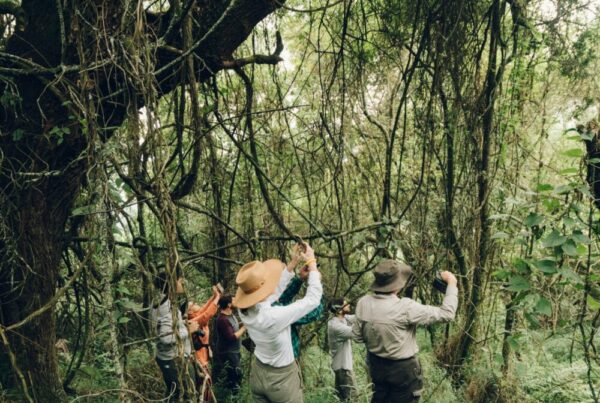
Trekking difficulty in both countries depends heavily on which specific gorilla family you are assigned and where that family happens to be located on trekking day, since gorillas move throughout their territory and cannot be guaranteed to sit conveniently near a trailhead. That said, several experienced guides and operators note a general pattern: early-morning treks in Rwanda’s Volcanoes National Park often involve somewhat shorter walking times on average compared to Bwindi, whose name, translating roughly to “impenetrable,” reflects genuinely dense, often steep forest terrain that can make for a more physically demanding trek on average. Trek duration in both countries ranges broadly from roughly two to seven hours round trip depending on the day’s specific gorilla location, so this distinction should be understood as a general tendency rather than a guarantee, and travelers with real concerns about fitness or mobility should discuss this directly with their operator when selecting a specific park sector rather than assuming either country guarantees an easier day.
What Each Permit Actually Includes
Both countries structure their permits similarly at a basic level: park entrance, the services of trained trackers and ranger guides who locate the gorilla family, security throughout the trek, and one hour of observation once the family is found. Uganda offers one notable structural advantage Rwanda does not: a four-hour gorilla habituation experience, available in Bwindi’s Rushaga sector, which extends observation time considerably beyond the standard hour and places visitors alongside researchers and trackers working directly with a semi-habituated family, an option priced separately from the standard trekking permit and well suited to serious photographers or anyone wanting a genuinely extended encounter. Rwanda does not currently offer an equivalent extended habituation option, making this a clear point of differentiation for travelers specifically interested in more than the standard one-hour visit.
Booking Rules and Availability
Both countries have moved toward operator-mediated booking systems for foreign visitors rather than fully independent, walk-up purchasing, though the specifics differ. Rwanda permits can be booked directly through the Rwanda Development Board’s Irembo platform or through a licensed operator, and given the country’s tightly limited daily permit allocation across its habituated families, booking three to six months in advance is strongly recommended, particularly for peak season dates in June through September and December through February. Uganda’s current rules require foreign non-resident permits to be booked exclusively through a licensed Ugandan tour operator rather than purchased directly, a regulatory change worth understanding in full detail before planning your trip; our guide on booking gorilla permits directly versus through a tour operator covers exactly how this process works and what it means for your planning timeline.
Combining Both Countries in One Trip
A genuinely popular option among serious primate enthusiasts and travelers with more flexible budgets is doing both: trekking gorillas in Uganda’s Bwindi and in Rwanda’s Volcanoes National Park within a single, combined itinerary, taking advantage of the two countries’ shared border and relatively short overland connection between them. This approach lets travelers experience both destinations’ distinct trekking environments and lodge scenes without needing to choose exclusively between them, though it does mean absorbing both permit costs, a combined expense of twenty-three hundred dollars per person at standard rates, a genuinely significant investment reserved mainly for travelers for whom gorilla trekking itself, rather than cost efficiency, is the central priority of the trip.
Which Country Fits Which Traveler
Cost-conscious travelers, those with more flexible schedules able to absorb Uganda’s longer road journey or the added cost of a domestic charter flight, and anyone specifically interested in the extended four-hour habituation experience will generally find Uganda the stronger overall value, particularly once the substantial permit savings are weighed against Rwanda’s shorter but not free logistics premium. Travelers with tighter time constraints, those prioritizing polished, efficient luxury logistics and the shortest possible road journey from an international airport, and travelers for whom budget is a secondary consideration relative to convenience will generally find Rwanda’s proximity to Kigali and well-paved access roads worth the considerably higher permit cost.
For travelers already planning a broader Uganda itinerary centered on Murchison Falls National Park, choosing Uganda for gorilla trekking as well offers a clear logistical advantage beyond the permit savings alone, since it keeps the entire trip within a single country’s operator network, currency, and visa requirements, rather than requiring a separate Rwanda visa, a border crossing or additional flight, and a second country’s tourism infrastructure layered onto an already multi-region trip. Our guide to Big Five versus Big Seven safari planning in Uganda walks through exactly how a Bwindi gorilla trekking extension fits alongside a Murchison Falls-centered itinerary within Uganda alone, useful groundwork for travelers weighing whether a combined Uganda-only trip meets their goals without needing to add Rwanda into the mix at all.
The Honest Bottom Line
Both countries deliver a genuinely extraordinary, once-in-a-lifetime wildlife encounter, and the actual hour spent with a habituated gorilla family is remarkably similar in both Uganda and Rwanda, since the animals, the conservation model, and the fundamental structure of the experience share the same underlying Virunga ecosystem regardless of which side of the border you trek on. The real decision comes down to how you want to weigh cost against convenience: Uganda offers the same profound gorilla encounter at roughly half Rwanda’s permit price, in exchange for a longer road journey or an added flight cost; Rwanda offers a faster, more polished approach from Kigali at a substantial premium. Neither choice is wrong, and plenty of experienced Africa travelers have happily trekked in both.
If you are leaning toward Uganda and want help building a full itinerary that combines Bwindi gorilla trekking with Murchison Falls or other parts of the country, our team can put together a realistic, fully costed plan based on your travel dates and priorities.
Ready to plan a Uganda gorilla trekking trip that makes the most of the country’s cost advantage? Reach out and let us help you build an itinerary around Bwindi, Murchison Falls, and everything in between.