

What Is a Uganda Safari Like? First-Hand Experience Guide
There is a particular question almost every first-time traveler asks before booking, and it rarely gets answered honestly in glossy marketing copy. What is a Uganda safari like, really, once you strip away the polished photographs and get down to the actual texture of the days, the discomforts, the unexpected moments, and the parts that genuinely take your breath away. This guide walks through what a typical Uganda safari feels like from the ground, covering everything from the long drives and early wake-up calls to the overwhelming stillness of a forest encounter with mountain gorillas, so that travelers arrive with realistic expectations rather than a highlight reel version of the experience.
The Journey Begins Before You Ever See an Animal
Most people picture a safari starting the moment they spot their first elephant, but the honest truth is that a Uganda safari experience begins well before that, often with a long, dusty drive from Entebbe International Airport into the interior of the country. Uganda’s road network connects Kampala and the major regional towns reasonably well, but reaching destinations like Murchison Falls National Park or Bwindi Impenetrable National Park typically involves several hours on the road, passing through small trading centers, roadside markets selling fruit and grilled corn, and stretches of genuinely striking rural scenery that many travelers describe as one of the unexpected highlights of the trip. This is not downtime to be endured before the “real” safari starts, since the drive itself offers a window into everyday Ugandan life that a fly-in itinerary would skip entirely, and most seasoned guides use these hours to point out roadside birdlife, explain local agriculture, and prepare travelers for what lies ahead. Our [Murchison Falls National Park accommodation guide] covers what to expect once you arrive, but the drive itself deserves its own mention, since it sets the tone for the rest of the trip.
Waking Up Before Dawn Becomes Normal, Fast
If there is one detail that catches first-time safari travelers off guard, it is just how early each day starts. Game drives in Murchison Falls, Queen Elizabeth National Park and most other Ugandan reserves typically begin between 6 and 6:30 in the morning, since animals are most active in the cool early hours before the heat of the day sends them into shaded rest, and guides know this window is when sightings are richest. This means alarms set well before sunrise become the norm rather than the exception, and travelers who arrive expecting a leisurely holiday pace often need a day or two to adjust to the rhythm. What makes the early starts worthwhile becomes obvious almost immediately, since watching the savannah wake up in the soft, golden light of dawn, with mist still clinging to the grass and animals beginning to stir, is a genuinely different experience from midday viewing, both visually and in terms of the sheer volume of activity on display.
The Rhythm of a Game Drive Day
A typical day built around game drives follows a rhythm that becomes comfortably familiar after the first outing. Early morning drives run for two to four hours, often paired with a packed breakfast eaten at a scenic viewpoint partway through, followed by a return to the lodge for a proper meal and a few hours of rest during the hottest part of the day, when most animals retreat into shade and visibility drops considerably. Afternoon and evening drives pick back up as temperatures cool, often extending into golden hour, when the low light transforms the landscape and predators frequently become more active as they begin their evening hunts. This structure repeats with variations across most parks, and while it might sound repetitive on paper, the reality is that no two drives ever look the same, since animal movement, weather and pure chance mean every outing carries genuine unpredictability. Murchison Falls National Park adds an additional dimension with its Nile River boat cruise toward the base of the falls, a slower-paced, equally rewarding way to encounter hippos, crocodiles and elephants gathered at the water’s edge, offering a welcome change of pace from vehicle-based game viewing. Our [Murchison Falls boat cruise and game drive guide] goes into more detail on how these two activities complement each other across a multi-day stay.
The Roads Themselves Are Part of the Story
Anyone wondering what to expect on safari Uganda should be prepared for road conditions that vary considerably depending on where you are. Main highways connecting major towns are generally well maintained, but the tracks within national parks and the routes leading toward more remote destinations like Bwindi are often unpaved, dusty during dry months and occasionally muddy and challenging during the rainy seasons. This is simply part of the experience rather than a flaw in the itinerary, and safari vehicles, typically robust 4x4s with pop-up roofs for game viewing, are built specifically to handle this terrain comfortably. Travelers should expect some jostling and dust, particularly during dry season drives, and packing a scarf or light buff to cover the nose and mouth during dusty stretches is a small but genuinely useful detail that experienced safari-goers pick up quickly. None of this detracts from the experience, and most travelers find that the physical texture of bumping along a dirt track scanning the horizon for movement is part of what makes a safari feel authentic rather than sanitized.
Gorilla Trekking Is a Different Kind of Physical and Emotional Experience
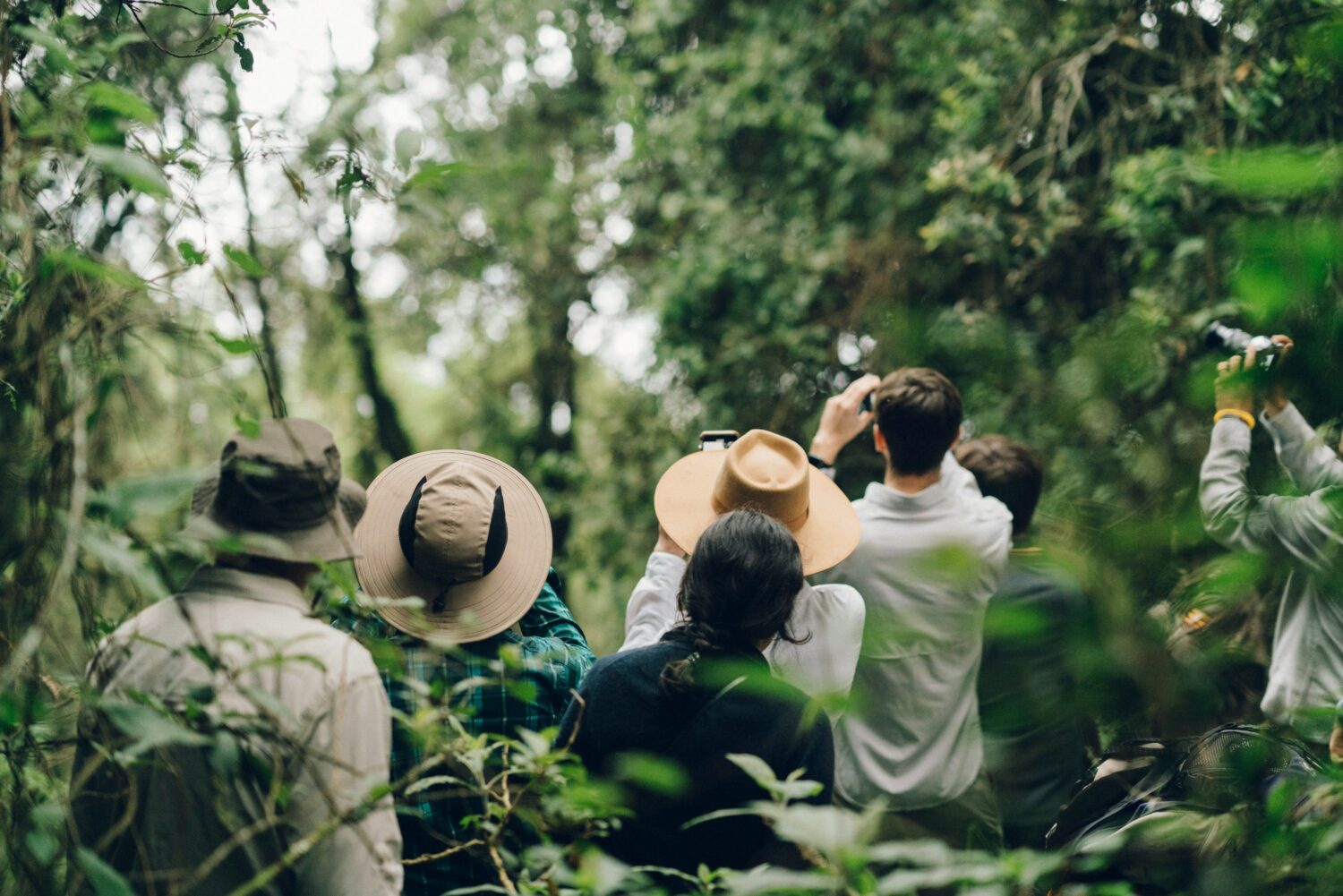
For travelers whose itinerary includes gorilla trekking in Bwindi Impenetrable National Park, this portion of the trip stands apart from everything else on a typical Uganda itinerary, and it deserves its own honest description. The gorilla trekking experience begins with an early morning briefing at a park headquarters, followed by a hike that can range from a relatively gentle hour to a genuinely demanding multi-hour trek through steep, muddy, densely vegetated rainforest, depending entirely on where the gorilla family happens to be that day. There is real physical effort involved, and travelers should arrive with a reasonable level of fitness and the right footwear, since the terrain does not forgive unpreparedness. What happens once the family is located is difficult to fully capture in writing, since the sudden, close-range presence of a massive silverback moving calmly through the undergrowth, or a juvenile gorilla tumbling playfully nearby, produces a kind of stunned quiet in almost every group, regardless of how many wildlife documentaries someone has watched beforehand. The permitted hour passes remarkably quickly, and most travelers describe the walk back out of the forest as oddly reflective, processing what they just witnessed in a way that few other wildlife encounters produce. Our [gorilla trekking permit and pricing guide] covers the practical planning details, including permit costs and what the fee actually includes, for travelers weighing whether to add this leg to their itinerary.
The Food Is Better Than Most Travelers Expect
Meals on a Uganda safari tend to pleasantly surprise first-time visitors who arrive expecting bland, repetitive food built around basic camping fare. Most lodges, even mid-range ones, serve genuinely good meals that blend Ugandan staples like matoke, groundnut sauce, grilled tilapia and fresh tropical fruit with more familiar international dishes, and the quality generally scales with the accommodation tier chosen. Breakfast often includes freshly brewed Ugandan coffee, grown domestically and increasingly recognized internationally for its quality, alongside fresh fruit that tastes noticeably different from the imported produce most international travelers are used to. Packed lunches for game drive days are typically simple but satisfying, usually sandwiches, fruit and snacks eaten at a scenic bush stop rather than back at the lodge, adding to the immersive feel of a full day spent in the park rather than shuttling back and forth for meals.
Wildlife Sightings Follow No Script
One detail that experienced guides consistently try to communicate to first-time travelers is that wildlife sightings are never guaranteed on any single drive, and managing expectations around this genuinely improves the overall experience. Some game drives deliver an overwhelming density of sightings within the first twenty minutes, with elephants, lions, buffalo and dozens of antelope species all visible from a single vantage point, while other drives require patience, careful scanning, and trust in a guide’s knowledge of animal behavior and movement patterns before a significant sighting materializes. This unpredictability is not a flaw in the experience but rather what makes safari fundamentally different from a zoo or wildlife park, since every sighting represents a genuine, unscripted moment in a wild animal’s day rather than a staged encounter. Experienced guides, who spend their careers reading subtle signs like fresh tracks, alarm calls from other species, or vulture activity overhead, dramatically increase the odds of meaningful sightings, which is one of the strongest arguments for booking with an operator whose guides genuinely know the terrain rather than simply driving predetermined routes.
The Evenings Bring Their Own Kind of Magic
After a full day of driving, the evenings on a Uganda safari carry a distinct, unhurried quality that many travelers end up treasuring as much as the wildlife sightings themselves. Most lodges are positioned to take advantage of dramatic views, whether overlooking the Nile at Murchison Falls, the Kazinga Channel in Queen Elizabeth National Park, or the misty ridgelines surrounding Bwindi, and sundowner drinks on a lodge deck watching the light fade over the landscape become a genuine highlight of each day. The sounds of the African night, from distant hippo grunts to the calls of nightjars and the occasional whoop of a hyena, create an atmosphere that photographs simply cannot capture, and many travelers describe these quiet evening hours, rather than any single game drive, as the moments that stay with them longest after returning home.
Connecting With Local Guides and Communities
A genuinely important part of what is a Uganda safari like involves the people rather than just the wildlife. Ugandan safari guides are typically warm, knowledgeable and generous with their time, often sharing personal stories about growing up near the parks they now work in, and this human connection adds considerable depth to a trip that could otherwise feel purely transactional. Many itineraries also include stops at local communities near major parks, whether through a cultural village visit near Bwindi or a market stop in a town along the route to Murchison Falls, and these interactions frequently rank among travelers’ most meaningful memories precisely because they were not planned around a wildlife sighting at all. Travelers genuinely interested in this side of the experience should mention it explicitly when planning their itinerary, since operators can build in more community-focused time for those who want it.
What Surprises Most First-Time Visitors
Beyond the wildlife itself, a handful of details consistently surprise travelers experiencing first time Uganda safari trips. The sheer scale and greenness of the landscape surprises many who arrive expecting a uniformly dry, dusty savannah, since Uganda’s high elevation and abundant rainfall produce a lush, tropical character quite different from the classic East African plains imagery many travelers carry in their minds. The warmth and friendliness of Ugandans, consistently ranked among the most welcoming populations on the continent, tends to leave a stronger impression on many travelers than any single wildlife sighting. And the sheer diversity packed into a relatively small country, from savannah and wetland to montane rainforest and the source of the Nile, means a well-designed multi-park itinerary can feel like visiting several genuinely different countries within a single trip.
Building an Itinerary That Captures the Full Experience
Understanding what a Uganda safari actually feels like day to day helps travelers build an itinerary that matches their own priorities rather than simply following a generic template. Travelers drawn primarily to classic savannah wildlife and boat safaris should weight their itinerary toward Murchison Falls National Park and Queen Elizabeth National Park, while those prioritizing the profound, physically demanding intimacy of gorilla trekking should build sufficient time and budget around a Bwindi Impenetrable National Park visit, ideally with a buffer day before the trek to recover from travel fatigue. Combining both, along with a night or two allowing for genuine rest between activity-heavy days, produces the most well-rounded picture of what Uganda has to offer, and this kind of thoughtful pacing is exactly what separates a trip that feels rushed and exhausting from one that feels rich and memorable. Our [Uganda safari itineraries] page outlines several ready-built combinations designed around this kind of realistic, well-paced structure.
Planning Your Own First-Hand Uganda Safari Experience
Reading about a Uganda safari can only convey so much, and the honest truth is that no description fully prepares you for the specific quality of light at dawn over the Kasenyi Plains, the sound of a silverback gorilla clearing its throat a few meters away, or the taste of fresh Ugandan coffee at a bush breakfast overlooking the Nile. Our team at Murchison Falls Park Safari builds itineraries designed around exactly the realistic, well-paced experience described throughout this guide, balancing early morning game drives, meaningful rest time, and the logistics that make a multi-park Uganda trip feel smooth rather than exhausting. If you are ready to experience this for yourself, reach out to our team for a custom itinerary built around your interests and travel dates, or browse our [Uganda safari packages] to see complete trip structures, pricing and sample day-by-day schedules before you book.