
East Africa on a Budget: Uganda, Rwanda and Kenya Tips
Traveling across Uganda, Rwanda and Kenya does not have to drain a life savings account, and the idea that East Africa is reserved for travelers with unlimited budgets is one of the most persistent myths in the industry. East Africa on a budget is entirely achievable once you understand where the real costs sit, which experiences are worth paying for, and which ones can be trimmed without losing the magic of the region. This guide walks through practical, tested strategies for stretching a modest budget across three of the continent’s most rewarding countries, covering everything from gorilla permits and park fees to transport, accommodation, food, and the border crossings that connect them.
Where the Real Costs Sit: Permits and Park Fees
The first thing to understand about budget safari Uganda planning is that permits and park fees, not flights or hotels, are usually the biggest single line item, and they vary enormously depending on the experience you choose. A standard gorilla trekking permit in Bwindi Impenetrable National Park or Mgahinga Gorilla National Park costs 800 US dollars per person for foreign non-residents, but Uganda Wildlife Authority now offers a low season discount of 600 US dollars during April, May and November, the two wetter stretches of the year when fewer travelers are on the trail. That single seasonal shift can save a couple 400 dollars without sacrificing the trek itself, since the gorilla families are tracked year-round regardless of rainfall. Compare that to Rwanda, where a Volcanoes National Park gorilla permit runs 1,500 US dollars, nearly double the Ugandan price for a broadly similar encounter, and the financial logic of building a gorilla trekking trip around Uganda rather than Rwanda becomes obvious for anyone watching their spending. If gorilla trekking is the centerpiece of your trip, our detailed [gorilla trekking permit and pricing guide] breaks down exactly what is and is not included in that 800 dollar figure.
Kenya Parks: Fewer Reserves, Longer Stays
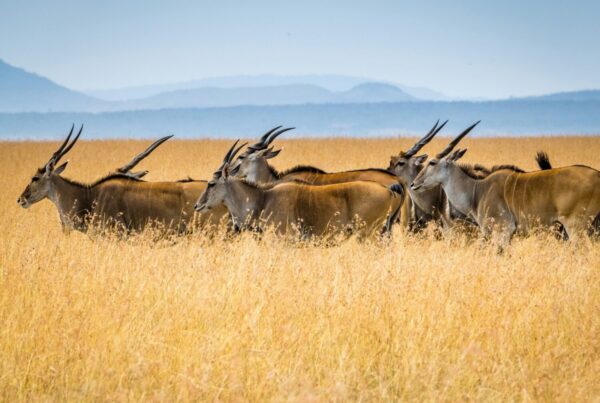
Kenya operates on a different cost structure entirely, since there are no gorillas to track, but park entry fees for the Maasai Mara, Amboseli and Tsavo add up quickly if you are moving between multiple reserves. The trick to affordable Kenya safari planning is choosing fewer parks and staying longer in each one, rather than racing between conservancies and paying multiple entry fees in a short window. A single well-chosen reserve, paired with a knowledgeable guide, often delivers more wildlife sightings than a rushed multi-park itinerary, and it dramatically reduces the fuel and transfer costs that eat into a shoestring budget. Travelers combining Kenya with Uganda should also weigh the cost of domestic flights against long-distance road transport, since a scheduled flight between Nairobi and Entebbe can sometimes undercut the combined cost of visas, fuel and driver time for an overland crossing, particularly for solo travelers without a group to split costs with.
Rwanda: Expensive Permits, Affordable Everything Else
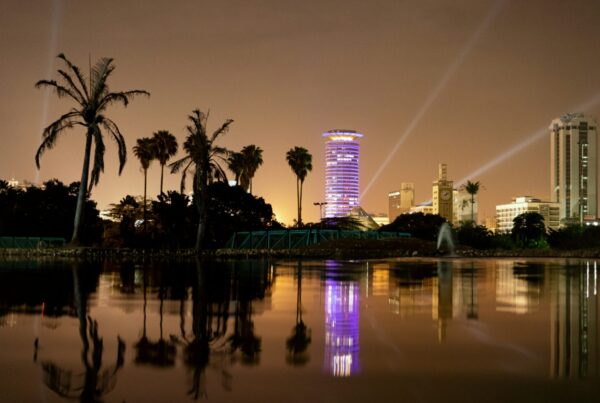
Rwanda deserves a specific mention here, because while gorilla permits are expensive, the rest of the country is genuinely one of the more affordable stops on a regional itinerary. Kigali is compact, clean, and easy to navigate on foot or by moto-taxi, and accommodation in the city runs considerably cheaper than lodges near Volcanoes National Park. A smart approach to Rwanda budget travel is to spend gorilla trekking day itself near Musanze, but base the rest of your Rwanda time in Kigali, where guesthouses, local restaurants and transport costs are a fraction of what you would pay in the national park zone. Many travelers skip Rwanda’s gorilla trekking altogether and instead do their primate trekking in Uganda, then cross into Rwanda purely to see Kigali, Lake Kivu, and the genocide memorial sites, which carry no equivalent price tag and offer some of the most moving cultural experiences in the region.
Accommodation: Splurge Selectively, Save Everywhere Else
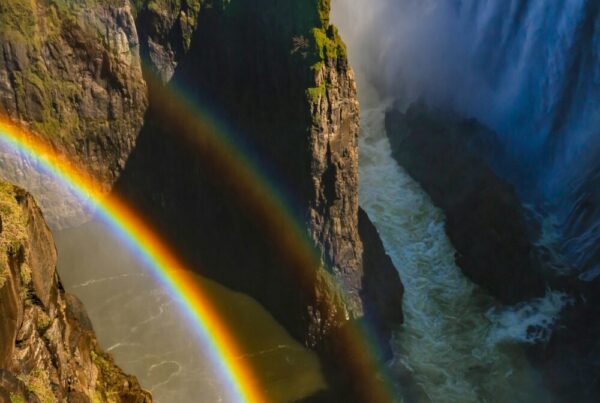
Accommodation is where budget travelers can make or lose the most money over the course of a two or three week trip, and East Africa offers a genuinely wide spread of options once you move past five star lodges. Budget lodges near Bwindi typically run between 80 and 150 US dollars a night including meals, which sounds high compared to backpacker hostels in Southeast Asia but is remarkably reasonable given the remote location and the fact that most rates are full board. In towns and cities, the picture changes entirely. Kampala, Kigali, Nairobi and Kisoro all have budget guesthouses well under 40 dollars a night, and hostels catering specifically to backpackers have grown steadily in all three countries as overland travel through the region has become more popular. The strategy that works best for East Africa backpacking is to splurge on accommodation only on the nights that matter most, such as the evening before or after a gorilla trek when comfort and hot water genuinely improve the experience, and to keep spending lean everywhere else. If you are planning your Uganda leg around Murchison Falls, our [Murchison Falls National Park accommodation guide] lists options across every price bracket, from riverside camping to mid-range lodges overlooking the Nile.
Getting Around: Buses, Shared Vehicles and Safari Transport
Transport is the second major cost center, and it is also the area where budget travelers have the most room to get creative. Public buses connect Kampala, Kigali and Nairobi at a fraction of the cost of private transfers, and while the journeys are long, they are generally safe, reliable, and a genuinely interesting way to see the countryside between major stops. Within national parks, however, public transport does not exist, and this is where many budget travelers make a costly mistake by assuming they can wing it once they arrive. Game drives inside parks like Murchison Falls, the Maasai Mara or Queen Elizabeth National Park require a vehicle, a driver, and often a specific type of 4×4 that can handle unpaved tracks, so this is not an area to cut corners on safety or reliability even while keeping the overall trip affordable. The most cost effective approach is to join a shared group vehicle rather than booking a private safari car, since splitting fuel, driver fees and park vehicle permits across four to six people can cut per-person transport costs by more than half. Our [budget safari packages for Murchison Falls] page outlines shared and private vehicle options with transparent pricing so you can compare both before booking.
Eating Well Without Overspending
Food costs in East Africa are consistently one of the pleasant surprises for first-time visitors working with a budget safari tips mindset. Local restaurants serving Ugandan, Rwandan and Kenyan staples such as matoke, posho, ugali, beans, grilled tilapia and roasted meats typically cost between two and five US dollars for a full meal, compared to the fifteen to thirty dollar range for meals at lodges catering specifically to international tourists. Street food and local markets offer even better value, and eating where local drivers and guides eat is both cheaper and, in most cases, better food than anything on a hotel buffet. The exception is inside national parks and remote lodges, where meals are usually included in the room rate because there is genuinely nowhere else to eat, so this cost should be factored into accommodation budgeting rather than treated as a separate daily expense.
Visas and Border Crossings
Visa costs and border logistics are another area where a little planning saves real money. Uganda, Rwanda and Kenya are all part of the East African Tourist Visa, a single visa costing 100 US dollars that allows multiple entries across all three countries within 90 days, which is significantly cheaper than purchasing three separate single-entry visas. This is one of the clearest ways to cut costs on a multi-country Uganda Rwanda Kenya itinerary, and it also removes the friction of reapplying at each border crossing. Travelers should apply for the East African Tourist Visa online well before departure, since processing can take several business days, and should be aware that once issued through one of the three countries, it is valid for entry through the other two as well. For a full walkthrough of the application process, fees in local currency equivalents, and common mistakes that delay approval, see our [East Africa visa guide].
Timing Your Trip Around the Low Season
Timing your trip around the shoulder and low seasons is arguably the single most effective budgeting lever available, and it applies across all three countries at once. April, May and November bring rain to much of the region, which puts off some travelers but rarely disrupts wildlife viewing or gorilla trekking in any meaningful way, since animals do not stop moving because of a rain shower and forest trekking happens regardless of weather. Lodge rates during these months routinely drop by 20 to 40 percent compared to the June through September and December through February peak windows, and gorilla permits themselves become cheaper in Uganda during the same low season months, creating a rare situation where the cheapest time to travel is also one of the most rewarding, since parks are quieter and vegetation is lush and green. Travelers who can build flexibility into their calendar and target these shoulder months will consistently find that the same itinerary costs meaningfully less than it would during the July or August peak.
Traveling in a Group to Cut Per-Person Costs
Group travel is another underused strategy for keeping East Africa affordable. Vehicle hire, driver fees, and park entrance logistics are largely fixed costs regardless of how many people are in the car, so a group of four to six travelers splitting a safari vehicle pays dramatically less per person than a solo traveler booking the same route alone. Many tour operators, including smaller Uganda-based outfits, run scheduled group departures specifically to help solo and budget travelers join existing groups rather than paying for a private vehicle outright, and this is worth asking about directly when requesting a quote. If a private safari feels out of reach financially, a joined group departure is very often the answer, and it comes with the added benefit of shared company on long game drive days.
Packing and Tipping: The Quiet Cost Savers
Packing smart also plays a quiet but real role in East Africa budget planning, since renting gear locally, particularly rain jackets, gaiters and walking sticks for gorilla trekking, tends to cost more over a multi-day trip than simply bringing lightweight versions from home. Bringing a good pair of already broken-in hiking boots, a rain shell, and a daypack eliminates rental fees at trailheads and reduces the temptation to buy overpriced gear at lodge gift shops when something is forgotten. Tipping culture is another cost worth budgeting for honestly rather than treating as an afterthought, since guides, porters and trekking rangers in Uganda and Rwanda rely heavily on tips as part of their income, and a reasonable daily tipping budget of ten to twenty US dollars per guide or ranger should be planned into the trip cost from the outset rather than left to guesswork at the end of a trek.
A Sample Budget-Conscious Route Through All Three Countries
For travelers building a route through all three countries, a sensible budget-conscious sequence starts in Kigali, where a short cultural stay is inexpensive and easy to navigate, continues overland into southwestern Uganda for gorilla trekking at the lower Ugandan permit price, moves north to Queen Elizabeth National Park and Murchison Falls for classic savannah and Nile River wildlife viewing, and finishes with a flight or road transfer into Kenya for a final stretch in the Maasai Mara before departure from Nairobi. This routing takes advantage of Uganda’s lower permit costs for the primate trekking portion of the trip, uses Rwanda primarily for its cultural and cost-effective urban experience rather than its expensive gorilla permits, and saves Kenya’s more costly park fees for the trip’s marquee wildlife finale.
Budget Travel Should Never Mean Cutting Safety Corners
None of this means cutting corners on safety, licensed guides, or reputable tour operators, since the money saved by avoiding unlicensed vehicles or unregistered guides is rarely worth the risk involved, both in terms of personal safety and the quality of wildlife viewing. Every dollar trimmed in this guide comes from smarter timing, smarter routing, and smarter choices between comparable options, not from cutting the elements that actually keep a safari safe and well-run. Budget travel in East Africa, done properly, still means proper vehicles, licensed guides, and parks entered with valid permits, and the savings come from everything around those essentials rather than from the essentials themselves.
Plan Your Budget-Friendly East Africa Safari With Us
Planning a trip that fits this kind of budget-conscious approach is exactly what our team at Murchison Falls Park Safari specializes in, and we build itineraries around real cost transparency rather than inflated package pricing. If you are ready to put a Uganda, Rwanda or Kenya route together with honest, upfront pricing on permits, vehicles and lodging, reach out to our team for a custom quote, or browse our [budget safari packages] to see sample itineraries and per-person costs before you commit to a route. Whether your priority is gorilla trekking on the lowest possible permit price, a shared group vehicle through Murchison Falls, or a full three-country loop built around shoulder season savings, we can put together a plan that keeps the experience intact while keeping the numbers realistic.