
Uganda Rwanda Kenya 14-Day Grand Circuit: East Africa’s Best
For travelers who want to experience the very best of East Africa in a single, well-paced trip, few itineraries deliver as comprehensively as a Uganda Rwanda Kenya grand circuit. Combining Uganda’s dense forests and mountain gorillas, Rwanda’s polished conservation infrastructure, and Kenya’s legendary open savannah and wildebeest migration, a 14-day circuit across all three countries gives travelers an extraordinary cross-section of what makes this region one of the most rewarding safari destinations on Earth. This is not a rushed, box-ticking tour; it is a carefully sequenced journey that lets each country’s distinct character shine through, from the misty forests of Bwindi to the open plains of the Maasai Mara.
This guide walks through what a well-designed 14-day Uganda, Rwanda, and Kenya circuit looks like in practice, covering the logistics of crossing borders between the three countries, the wildlife and cultural highlights worth prioritizing in each destination, and the practical details, permits, visas, and timing, that make a trip of this scope genuinely manageable rather than overwhelming. Whether you are building this itinerary as a once-in-a-lifetime trip or the first of several extended returns to East Africa, understanding how these three countries connect makes all the difference in how smoothly your journey unfolds.
Why Combine Uganda, Rwanda, and Kenya
Each of these three countries offers something genuinely distinct, and part of what makes a combined circuit so rewarding is how little overlap exists between them. Uganda delivers extraordinary primate diversity, home to over half the world’s remaining mountain gorillas alongside healthy chimpanzee populations, all set within some of the most biologically rich forest ecosystems in Africa. Rwanda offers a more polished, streamlined version of similar gorilla trekking terrain, paired with the compact, walkable charm of Kigali and a conservation model built around low-volume, high-value tourism. Kenya, meanwhile, brings the classic safari experience most travelers picture when they imagine an African wildlife trip: vast open savannah, the Maasai Mara’s dramatic wildebeest migration, and a well-developed safari infrastructure built up over more than a century of tourism.
Crucially, this three-country combination is made considerably more practical by the existence of the East Africa Tourist Visa, a single joint document covering Uganda, Kenya, and Rwanda for ninety days at a flat cost of one hundred dollars, allowing multiple entries between all three countries as long as travelers remain within this tri-country bloc. This visa arrangement transforms what might otherwise be a logistically cumbersome multi-country trip into something considerably more seamless, provided travelers apply through the correct portal, based on their first point of entry, and avoid exiting the three-country zone until their circuit is complete.
Days 1 to 4: Uganda’s Gorillas and Forests
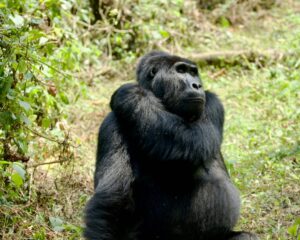 A well-sequenced grand circuit typically begins in Uganda, landing at Entebbe International Airport before transferring toward Bwindi Impenetrable National Park in the country’s southwest. Given the road distance involved, many travelers opt for a short scheduled flight directly to one of the airstrips serving Bwindi, saving considerable time that can instead be spent exploring the forest itself. The centerpiece of this opening leg is, of course, mountain gorilla trekking, currently priced at eight hundred dollars per permit for foreign nonresidents, with a notable low-season discount bringing the cost down to six hundred dollars during April, May, and November. Uganda’s Bwindi Impenetrable and Mgahinga Gorilla National Parks together host multiple habituated gorilla families across several trekking sectors, and Uganda remains the only country offering a gorilla habituation experience, giving dedicated wildlife enthusiasts extended time with a family still being acclimated to human presence.
Beyond the trekking itself, this opening stretch offers a natural opportunity to add chimpanzee tracking, either in nearby Kibale Forest National Park or in Kyambura Gorge within Queen Elizabeth National Park, along with game drives through Queen Elizabeth’s diverse savannah and wetland ecosystems and a boat cruise along the Kazinga Channel. Travelers with particular interest in unusual wildlife behavior can also route through the Ishasha sector to look for Queen Elizabeth’s famous tree-climbing lions before continuing the circuit southward toward the Rwandan border.
Days 5 to 6: Crossing Into Rwanda
The land border crossing between southwestern Uganda and Rwanda is well established and relatively straightforward for travelers holding a valid East Africa Tourist Visa, typically taking place via the Cyanika or Katuna border posts depending on the specific route being followed. From the border, most itineraries continue directly to Volcanoes National Park in northern Rwanda, home to the country’s own population of habituated mountain gorilla families and priced considerably higher than Uganda’s permits, at fifteen hundred dollars per person for foreign nonresidents.
While the cost difference between Uganda and Rwanda’s gorilla permits is significant, many travelers on a grand circuit choose to trek in Uganda only and use their Rwanda leg to explore Kigali and, time permitting, Akagera National Park in the country’s east, known for its recovering populations of lion and rhino following an extensive rewilding program. Others choose to trek gorillas in both countries specifically to compare the experience across Bwindi’s steeper, more rugged forest terrain and Volcanoes National Park’s more accessible volcanic slopes. Either approach works well within a fourteen-day circuit, and the right choice largely depends on individual budget and how much of a priority a second gorilla trek represents relative to other activities elsewhere on the trip.
Days 7 to 8: Kigali and Rwanda’s Conservation Story
Rwanda’s capital, Kigali, offers a genuinely worthwhile stop in its own right, known for its cleanliness, safety, and thoughtfully developed urban infrastructure, along with the sobering but important Kigali Genocide Memorial, a site many travelers describe as an essential part of understanding the country’s modern history and remarkable recovery. A day or two in Kigali provides a welcome change of pace between the physically demanding gorilla trekking of the preceding days and the open-plains game viewing to come in Kenya, while also offering excellent dining, coffee culture, and local craft markets worth exploring.
From Kigali, travelers continue their circuit onward to Kenya, generally via a direct flight to Nairobi rather than attempting the considerably longer overland route, which would consume valuable time better spent in the parks themselves.
Days 9 to 13: Kenya’s Maasai Mara and the Great Migration
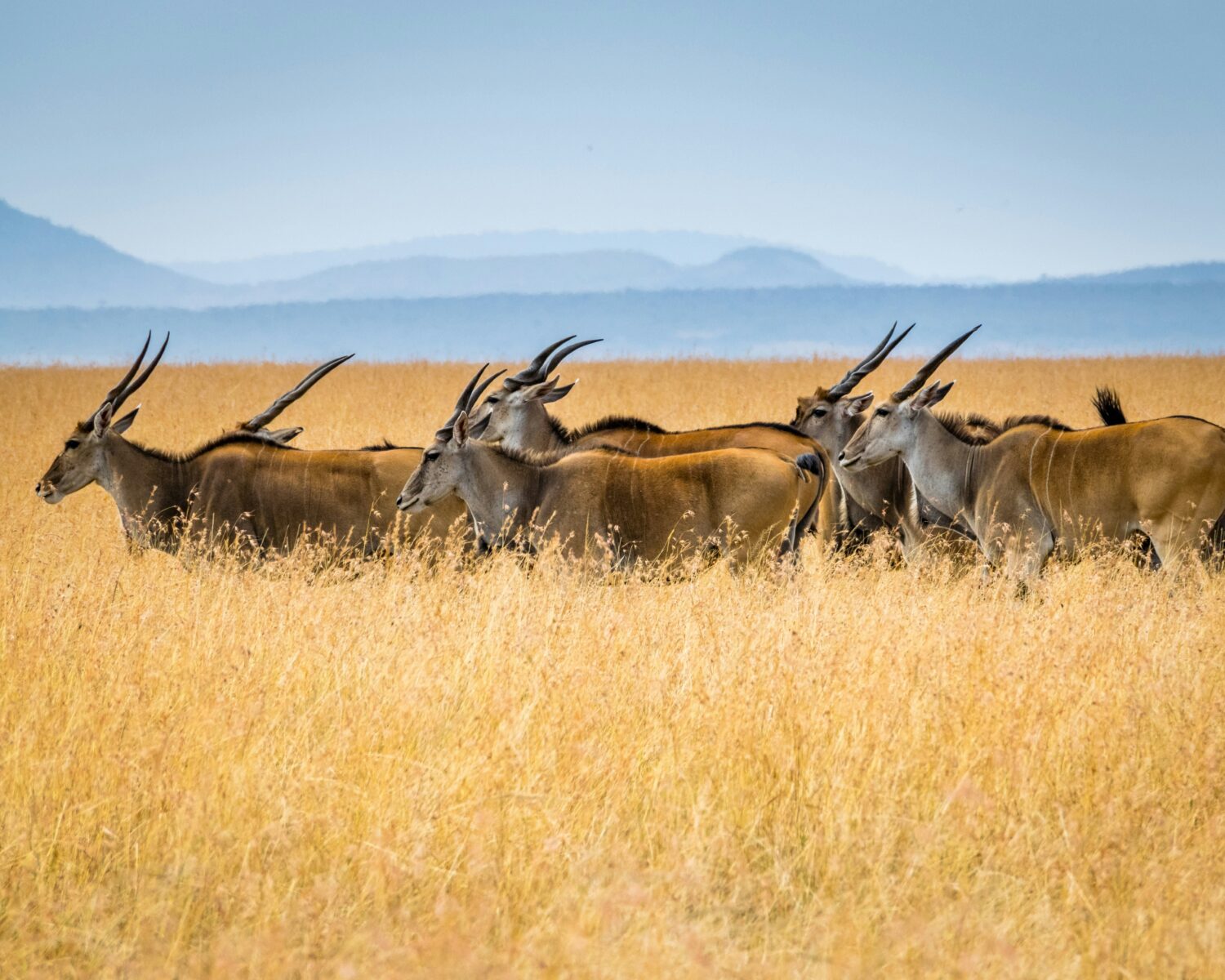
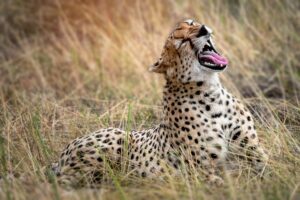 Kenya represents the classic safari leg of this grand circuit, and the Maasai Mara National Reserve typically anchors this portion of the trip. Depending on timing, travelers may catch a portion of the annual wildebeest migration, one of the most dramatic wildlife spectacles on the planet, as vast herds move between the Mara and Tanzania’s neighboring Serengeti ecosystem in search of fresh grazing. Even outside peak migration months, the Mara delivers outstanding year-round game viewing, with healthy resident populations of lion, elephant, leopard, cheetah, and the classic plains species that define the East African safari experience.
Several days in the Mara, split across game drives at dawn and dusk when wildlife activity peaks, along with an optional hot air balloon safari over the plains at sunrise, gives travelers a genuinely comprehensive Kenyan safari experience within this circuit’s final major leg. Travelers with additional time or interest can extend this portion of the trip with visits to Amboseli National Park for classic elephant herds set against the backdrop of Mount Kilimanjaro, or Lake Nakuru for its dense concentrations of flamingos and rhino, though fitting these additional destinations into a fourteen-day window requires careful trade-offs against time spent in Uganda and Rwanda earlier in the trip.
Day 14: Departure
Most travelers conclude their circuit with a return flight from Nairobi’s Jomo Kenyatta International Airport, the region’s major international hub, offering considerably more direct international connections than either Entebbe or Kigali. This makes ending the circuit in Kenya, rather than beginning there, a logistically sensible sequencing choice for most international travelers, particularly those connecting onward to Europe, North America, or Asia.
Managing the Logistics of a Three-Country Trip
A trip spanning three countries in fourteen days requires more careful advance planning than a single-country safari, but the East Africa Tourist Visa removes much of the friction that once made this kind of circuit logistically daunting. The single most important rule to remember when applying is that the visa must be requested through the immigration portal of whichever country serves as the traveler’s first point of entry into the region; landing in Entebbe means applying through Uganda’s e-visa portal, while landing in Kigali or Nairobi means applying through Rwanda’s or Kenya’s respective portals instead. Applying through the wrong country’s portal can result in complications or denied entry, so this detail deserves careful attention well before departure.
It is equally important to remember that the East Africa Tourist Visa becomes invalid the moment a traveler exits the three-country bloc. For circuits that remain strictly within Uganda, Rwanda, and Kenya, this is not a concern, but travelers considering an extension into Tanzania partway through their trip need to plan for a completely separate Tanzanian visa application, since the EATV offers no coverage or re-entry privileges once a traveler steps outside the participating countries.
Beyond visas, gorilla trekking permits in both Uganda and Rwanda should be booked well in advance, given limited daily permit availability in both countries, particularly during peak travel months. Flights between Entebbe, Kigali, and Nairobi are frequent and well served by regional carriers, making the air travel component of this circuit considerably more straightforward than the logistics might initially suggest.
Best Time of Year for This Circuit
Uganda and Rwanda’s dry seasons, roughly December through February and June through September, generally offer the most comfortable trekking conditions across the forested legs of this itinerary, with less mud and generally easier underfoot conditions on steep gorilla trekking trails. Kenya’s Maasai Mara sees its dramatic river crossings during the great migration typically between July and October, making this window particularly appealing for travelers hoping to combine gorilla trekking with peak migration viewing, though the Mara delivers outstanding game viewing throughout the year regardless of migration timing.
Travelers prioritizing cost savings over precise migration timing might instead consider Uganda’s low season gorilla permit discount, available during April, May, and November, accepting a somewhat wetter trekking experience in exchange for meaningful savings on the single most expensive line item in the entire trip.
Building the Right Circuit for Your Priorities
While the fourteen-day structure outlined here represents a well-balanced approach to combining all three countries, the right allocation of days across Uganda, Rwanda, and Kenya ultimately depends on individual priorities. Travelers whose primary interest lies in primate encounters might extend their time in Uganda and Rwanda at the expense of a shorter Kenya leg, while those chasing the great migration specifically might compress the gorilla trekking portion into a tighter, more efficient window to maximize time in the Mara during peak crossing season.
Planning Your Grand Circuit
Coordinating gorilla trekking permits across two countries, sequencing border crossings and flights correctly, and timing a three-country trip around both gorilla trekking conditions and Kenya’s migration patterns requires genuine expertise in the logistics of the wider East Africa region. Our team specializes in exactly this kind of multi-country itinerary, and we can help design a fourteen-day Uganda, Rwanda, and Kenya circuit tailored to your specific interests, budget, and travel dates. Contact us today to start planning the trip of a lifetime across East Africa’s three most iconic safari destinations, combining the forests of Uganda, the polish of Rwanda, and the legendary plains of Kenya into a single, unforgettable journey.