Regenerative Tourism in Uganda: Beyond Sustainable Safaris
Sustainable travel has become such a familiar term in the tourism industry that it’s started to lose some of its meaning, often signaling little more than a hotel that skips daily towel washing. Regenerative tourism asks for something considerably more ambitious: not just minimizing harm, but leaving a destination genuinely better off than it was before travelers arrived. Uganda, almost by accident of how its conservation economy developed, has become one of the clearest real-world examples of this idea in practice, and understanding how it actually works reveals something more interesting than the standard eco-lodge marketing pitch.
What Separates Regenerative Tourism from Sustainability
Sustainability, at its core, is about reducing negative impact, using less water, generating less waste, disturbing less habitat. Regenerative tourism goes a step further, asking whether a visitor’s presence can actively restore or strengthen an ecosystem, a community, or a species population rather than simply doing it less damage. In practice, this distinction matters most in places where tourism revenue directly funds conservation and community development that wouldn’t otherwise exist, rather than places where tourism is simply managed to be less extractive. Uganda’s gorilla trekking economy is one of the most frequently cited examples globally of this regenerative model actually functioning at scale, and it’s worth understanding exactly why.
How Gorilla Trekking Became a Regenerative Model
Uganda is home to more than half the world’s remaining mountain gorilla population, concentrated primarily in Bwindi Impenetrable National Park and Mgahinga Gorilla National Park. What makes the trekking economy around these parks regenerative rather than merely sustainable is the direct, structured link between what visitors pay and what actually happens to the gorillas and the communities living alongside them.
Revenue Sharing in Practice
Uganda’s government allocates a portion of park entry fees, generally cited at around twenty percent, directly to communities living near national parks, funding school construction, healthcare centers, clean water infrastructure, and other local development projects. On top of this broader allocation, gorilla trekking permits themselves, priced at a significant fee for international visitors, channel a portion of that revenue specifically back to surrounding communities through elected local leadership, alongside funding anti-poaching patrols, veterinary care for the gorillas, and ongoing conservation research. This isn’t a voluntary donation program tacked onto a standard safari; it’s a structured financial mechanism built directly into the price of the permit itself.
From Poachers to Protectors
Perhaps the clearest evidence of regeneration rather than mere sustainability shows up in who’s actually doing the conservation work today. A meaningful number of Uganda’s current rangers, trackers, and community conservation guides are former poachers, individuals who once viewed the forest and its gorillas as a resource to exploit and now serve as its most active defenders, alerting rangers to illegal snares or unauthorized forest entry. This shift reflects something regenerative tourism specifically aims for: transforming the underlying economic incentive around a resource so that protecting it becomes more valuable than extracting it, rather than simply policing extraction more strictly from the outside.
Employment Beyond the Trek Itself
Gorilla tourism has created a genuinely broad range of employment in areas that historically had few formal job opportunities. Beyond the rangers and trackers directly involved in guiding treks, porters hired to help visitors navigate Bwindi’s steep, often muddy terrain provide a reliable income source for local families, and the broader tourism infrastructure, lodges, restaurants, craft markets, has generated additional employment that ripples out well beyond the park boundary itself. Notably, this employment expansion has also opened space for women in roles historically closed to them in the region, with women now serving as rangers, trackers, and porters in a sector that had none just a couple of decades ago.
Community-Owned Lodges: A Different Ownership Model
Beyond revenue sharing tied to park fees, a growing number of Ugandan lodges operate under genuine community ownership structures, a distinctly different model from the standard investor-owned lodge that simply employs local staff. Community-owned lodges involve local people directly in decision-making, management, and revenue distribution, rather than treating community involvement as an add-on to an otherwise conventionally structured business. This model ensures tourism revenue circulates within the local area rather than flowing primarily to outside investors, and it represents one of the more concrete structural expressions of regenerative tourism principles: ownership and decision-making power sitting with the people whose land and heritage are actually being visited.
Batwa Cultural Tourism: Restoring What Conservation Displaced
One of the more complicated threads in Uganda’s conservation story involves the Batwa, an indigenous forest people who lived in and depended on the forests now designated as Bwindi and Mgahinga for centuries before those areas became protected national parks. When conservation restrictions were established, Batwa communities lost access to the forests that had sustained their way of life, creating a genuine tension between conservation success and indigenous displacement that early gorilla tourism didn’t fully address. More recent tourism development has attempted to address this directly, incorporating Batwa cultural visits and guided forest experiences led by Batwa community members into gorilla trekking itineraries, creating a revenue stream and a form of continued connection to ancestral land that wouldn’t otherwise exist. This is regenerative tourism in one of its more genuinely difficult forms: not simply funding new infrastructure, but attempting to repair a historical displacement that conservation itself originally caused.
What Regenerative Lodges Look Like on the Ground
Beyond community ownership structures, a number of individual properties across Uganda and the wider region have built regenerative principles directly into their operations rather than treating sustainability as a marketing checklist. Properties designed around low-impact construction methods, on-site food gardens supporting both the lodge kitchen and surrounding conservation, and direct employment of local artisans and staff represent a tangible, on-the-ground version of what regenerative tourism looks like when it moves beyond policy and revenue-sharing statistics into actual guest experience.
The Honest Limitations Worth Acknowledging
A genuinely useful discussion of regenerative tourism shouldn’t skip over its real limitations, and Uganda’s model has some worth naming directly. Revenue distribution to communities can be uneven or delayed due to bureaucratic inefficiencies, and some community members living adjacent to major parks still report feeling excluded from the economic benefits tourism has generated more broadly. The COVID-19 pandemic exposed just how vulnerable tourism-dependent conservation funding actually is, since a sharp drop in visitor numbers directly threatened both community income and anti-poaching resources that had come to depend heavily on trekking revenue. There’s also an ongoing risk of cultural commodification, particularly around Batwa cultural tourism, if these experiences aren’t managed with genuine community control over how their culture is presented and monetized. None of this undermines the broader model, but it’s worth traveling with awareness that regenerative tourism is an ongoing process requiring continued attention, not a solved problem.
How to Choose Operators That Genuinely Support This Model
For travelers who want their trip to Uganda to actually contribute to this regenerative system rather than simply claim to, a few practical signals are worth looking for. Operators licensed by the Uganda Tourism Board, transparent about how their pricing supports community employment and revenue-sharing, and willing to explain their specific conservation contributions rather than offering vague sustainability language, tend to be more reliably aligned with regenerative principles. Small group sizes for gorilla and chimpanzee trekking, adherence to strict wildlife viewing distance rules, and genuine community involvement in cultural visits rather than staged, disconnected performances are all practical indicators worth asking about directly before booking.
Extending Regenerative Principles Beyond Gorilla Trekking
While gorilla trekking is Uganda’s most developed and widely cited example of regenerative tourism, the same underlying principles extend into other parts of a Uganda safari itinerary. Chimpanzee tracking in Kibale National Park and Budongo Forest operates under similar community benefit structures, and Uganda’s broader network of community-owned lodges and cultural tourism experiences, from Iteso homesteads in the east to Acoli cultural sites near Murchison Falls, reflect the same commitment to ensuring tourism revenue genuinely strengthens the places and communities visitors pass through, rather than simply extracting an experience from them.
Traveling with Purpose in Uganda
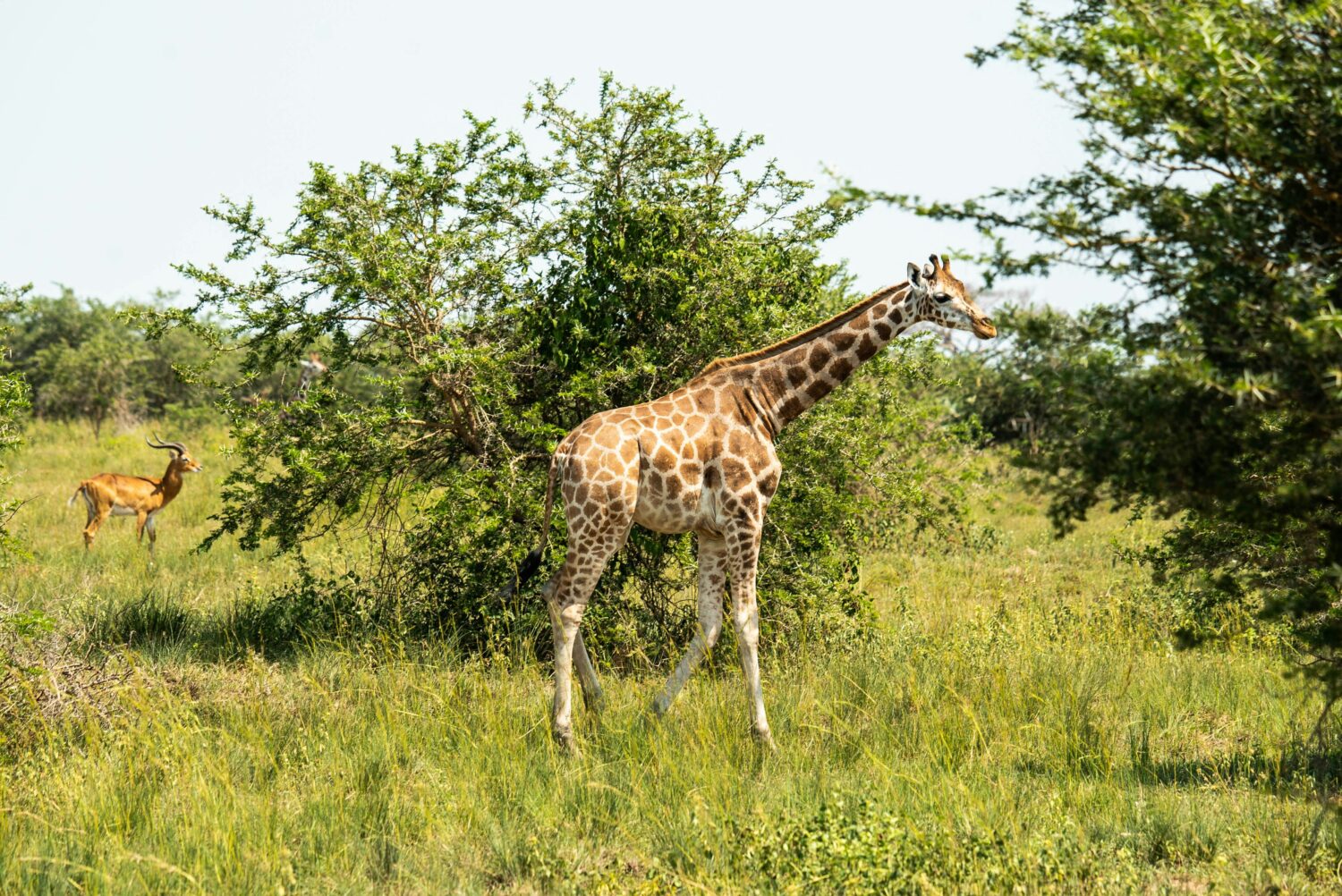
Choosing Uganda for a safari built around these principles doesn’t require sacrificing any of the wildlife spectacle the country is famous for, classic Big Five game viewing in Murchison Falls National Park, tree-climbing lions in Queen Elizabeth National Park, and gorilla encounters in Bwindi all remain fully available. What regenerative tourism adds is a deeper understanding of what your visit is actually funding, and the ability to make more informed choices about which operators, lodges, and activities genuinely align with leaving Uganda’s parks and communities stronger than they found them.
If you’re planning a Uganda safari and want it built around genuinely regenerative principles, community-supporting lodges, transparent conservation contributions, and cultural experiences led by the communities themselves, our team at Murchison Falls Park Safari can help you design an itinerary that reflects those values without compromising on wildlife or comfort. Contact us to start planning a Uganda trip that gives back as much as it takes in.
For more on Uganda’s conservation and cultural tourism landscape, our guides on gorilla trekking permits and preparation, pangolin sightings and conservation, and the Iteso and Bagisu cultural tourism experiences are all available, here and pair well with this guide.