

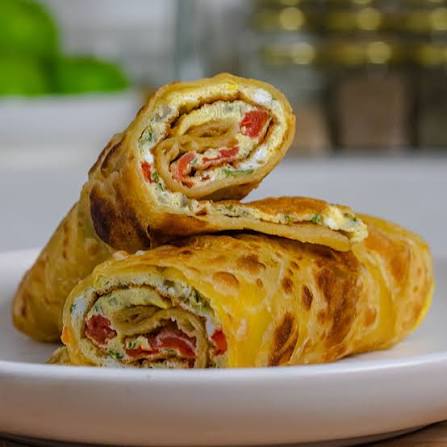
Rolex: Uganda’s Favorite Street Food Explained
Ask any Ugandan what the country’s most iconic food is, and you will almost certainly hear the same answer within seconds, delivered with a knowing smile: Rolex. Not the watch, they will quickly clarify, but a rolled chapati and egg wrap so beloved that it has become a genuine symbol of Ugandan identity, sold on nearly every street corner in Kampala and increasingly celebrated far beyond the country’s borders. For travelers preparing for a Uganda safari, understanding the story behind this humble snack adds a rich, flavorful layer to the trip long before the first game drive even begins.
What Exactly Is a Rolex
At its simplest, a Rolex is a vegetable omelet wrapped inside a chapati, a soft, pan-fried flatbread with South Asian origins that has become thoroughly Ugandan in its own right. The preparation is quick, theatrical, and deeply satisfying to watch, and it typically unfolds in the same practiced sequence at stalls across the country. A vendor cracks eggs into a bowl, mixes in chopped onion, tomato, and shredded cabbage, adds a pinch of salt and sometimes a dash of chili, then pours the mixture onto a hot, oiled griddle. Just before the egg fully sets, a chapati is pressed directly onto the cooking omelet, allowing the two to fuse together as they finish cooking. The vendor then flips the whole thing, peels it off the griddle, and rolls it into a tight cylinder, often finishing with a sprinkle of salt or an extra layer of fresh tomato before wrapping the final product in paper or a plastic bag for the customer to eat on the go with one hand.
The name itself is a piece of pure Ugandan wordplay, derived from the phrase rolled eggs, which locals shortened and reshaped into something that sounds exactly like the luxury Swiss watch brand. That deliberate double meaning has become one of the dish’s most charming cultural touches, giving rise to a phrase repeated with obvious pride across the country, that in Uganda, people do not wear the Rolex, they eat it. The pun has done more than amuse; it has helped turn a cheap, practical street meal into something instantly memorable and endlessly shareable, a quality that has clearly helped propel the dish’s reputation well beyond Uganda’s borders in recent years.
Where the Rolex Actually Came From
The chapati component of the dish has a clear historical origin, brought to Uganda in the late nineteenth century by Indian indentured laborers recruited by British colonial authorities to help construct the railway line running from the Kenyan port city of Mombasa inland to Kampala. That same colonial period introduced European-style omelet cooking to the region, and over subsequent decades, both culinary traditions took root and evolved within local Ugandan cooking, particularly in communities with early and sustained contact with South Asian trade and migration, including the Busoga region in eastern Uganda.
Exactly who first combined chapati with a fried egg omelet into the dish we now recognize as Rolex remains genuinely disputed, and that uncertainty is part of the dish’s folklore rather than a gap that has ever been definitively closed. One widely repeated version credits a single innovative chapati seller from Busoga named Sula as the dish’s original creator, a story that has circulated widely enough to be referenced in international media coverage of the snack. A closely related version places the dish’s origin in Jinja, the eastern Ugandan city near the source of the Nile, crediting an experimental street vendor there sometime around the 1990s with the idea of pairing fried eggs with chapati for the first time. Yet another popular account moves the story to Wandegeya, the bustling neighborhood adjacent to Makerere University in Kampala, where street vendors are remembered as first serving eggs rolled inside chapati to hungry, budget-conscious students, a combination that quickly caught on and spread outward from campus life into the wider city. Whichever version is closest to the truth, all three accounts agree on the broader picture, that Rolex emerged sometime in the 1990s as an affordable, filling, and endlessly practical meal for working-class Ugandans and students who needed something substantial, portable, and quick.
From Campus Snack to National Symbol
What began as inexpensive, informal food for laborers, night workers, and university students has, over the past two decades, grown into something Uganda now treats as genuine cultural heritage. The dish’s rise mirrors the country’s own urban growth and its enduring appetite for quick, affordable food that fits around long working hours, night shifts, and busy city schedules, and it has become deeply woven into daily social life in the process. Grabbing a Rolex on the way to work or class gives Ugandans a few shared minutes to exchange news and catch up with neighbors while waiting at the stall, and for many people out enjoying Kampala’s nightlife, a late-night Rolex from a roadside vendor has become as much a part of the evening’s rhythm as the outing itself.
Recognition of the dish’s cultural significance eventually reached an official level, with Uganda’s Ministry of Tourism formally naming Rolex an official tourist attraction, placing this humble street food snack alongside the country’s mountain gorillas, its lakes, its mountains, and the source of the Nile as a defining symbol of the national experience. That recognition led directly to the creation of an annual Rolex Festival, first launched in 2016 and held in Kampala, where thousands of visitors, both Ugandan and international, gather to sample regional variations of the dish, watch live cooking demonstrations from Kampala’s most skilled vendors, and enjoy music and cultural performances built entirely around this single, unpretentious meal. According to Uganda’s own tourism officials, the festival effectively lets visitors traverse the country’s different regions in a single day, since vendors from across Uganda bring their own distinctive spin on the classic recipe, and other beloved roadside snacks, including samosas and mandazi, typically make an appearance alongside the main event.
Regional Variations and Modern Twists
While the classic Rolex sticks closely to its founding formula of eggs, onion, tomato, cabbage, and chapati, Uganda’s vendors have shown remarkable creativity in expanding on the basic template over the years. Some stalls add shredded chicken or minced beef directly into the egg mixture for a heartier, more filling version, while others incorporate melted cheese for a richer, indulgent take that has become particularly popular in more upscale cafes and restaurants. Vegetable-forward versions loaded with extra cabbage, grated carrot, and avocado have also found a following among health-conscious customers, and more experimental vendors have been known to fold in unusual regional ingredients, including bamboo shoots in some western Ugandan variations and even fried tripe, a combination one Kampala restaurateur discovered during a trip to Jinja and later built an entire menu concept around.
This spirit of experimentation and regional pride is precisely what makes the Rolex Festival such an interesting cultural event, since it turns a single dish into a lens for exploring Uganda’s broader culinary diversity in one place. It also reflects something genuinely admirable about the dish’s economic role in everyday Ugandan life, since Rolex vending has become a significant source of income and entrepreneurship for young Ugandans across the country, with thousands of small stalls collectively forming an important part of the country’s informal food economy, even as fluctuations in egg prices occasionally create real economic pressure on vendors who depend on the ingredient as their core input.
Where to Try an Authentic Rolex in Uganda
For travelers wanting to try an authentic Rolex the way most Ugandans actually eat it, a busy roadside stall rather than a formal restaurant setting is genuinely the way to go, since the experience of watching a skilled vendor crack, fry, and roll the dish in front of you with practiced speed is very much part of its appeal. Kampala neighborhoods including Wandegeya, near Makerere University, and Kamwokya remain particularly well known for their concentration of excellent Rolex stalls, and food tours through the capital increasingly build in a stop at a well-regarded local vendor as a matter of course, since discovering the dish firsthand tends to be one of the most memorable and enjoyable parts of any visitor’s time in the city.
For travelers building an itinerary that also includes a Buganda cultural tour through Kasubi Tombs and the historic hills of Kampala, or a stop in Jinja and the Busoga region on the way north, working a Rolex stop into either leg of the trip is an easy and genuinely rewarding addition, connecting the food directly to the places and communities most closely tied to its origin story. A morning of cultural sightseeing followed by a fresh, hot Rolex from a nearby stall makes for exactly the kind of authentic, unscripted experience that turns a good Uganda trip into a genuinely memorable one.
Bringing Rolex Into Your Uganda Safari Itinerary
At Murchison Falls Park Safari, we know that a great Uganda trip is about far more than wildlife alone, and we regularly build local food experiences, including stops at trusted Kampala Rolex vendors, into our clients’ broader itineraries as they make their way toward Murchison Falls National Park. Whether you are spending a morning exploring Buganda’s historic sites, passing through Jinja and Busoga on your way north, or simply looking for an authentic taste of daily Ugandan life before your safari begins in earnest, we can point you toward the vendors and neighborhoods that serve up the country’s most celebrated street food at its very best. Reach out to our team today to start planning a Uganda safari itinerary that pairs the roar of Murchison Falls with the sizzle of a freshly rolled Rolex, giving you a trip that feeds both your sense of adventure and your appetite in equal measure.